Celebrate Easter in Germany: Your Guide to German Easter Traditions
Easter in Germany, or “Ostern” as it’s known, is a truly special time. More than just a religious observance, it’s a celebration deeply woven into the fabric of German culture. This guide will help you understand and appreciate the unique German Easter traditions, offering a glimpse into how Germans celebrate Easter.
Understanding German Easter
What is Easter in Germany?
Easter in Germany is a festive holiday that blends Christian beliefs with traditional customs celebrating the arrival of spring. It’s a time for families to come together, enjoy special foods, and participate in egg hunts. More than just a public holiday in Germany, Easter represents the resurrection of Jesus Christ, but it also embraces secular traditions that predate Christianity.
The significance of Easter in German culture
The German Easter tradition is deeply rooted in both religious and cultural history. As a public holiday, it represents the end of winter and the joyful anticipation of warmer days. The religious significance focuses on the resurrection, while secular customs, such as decorating with Easter eggs and the antics of Easter bunnies, add a playful, family-oriented dimension to the Easter celebration.
Overview of the Easter holiday timeline
The Easter holiday in Germany is a multi-day celebration. It includes several significant days:
- Good Friday, commemorating the crucifixion.
- Easter Sunday, celebrating the resurrection.
- Easter Monday, an additional public holiday.
This extended period allows ample time for family gatherings and continued celebration. The week leading up to Easter is dedicated to preparation, such as decorating homes and preparing special Easter food.
Easter Traditions in Germany
Popular German Easter traditions
Many delightful German Easter traditions make this holiday unique. One prominent German Easter tradition is the Easter egg hunt, where children search for chocolate eggs and other treats hidden by the Easter bunnies. Decorating an Easter tree with painted egg decorations is another popular German tradition, while bonfires lit on Easter Eve symbolize the end of winter and the beginning of spring.
Decorating for Easter: The Easter Tree and more
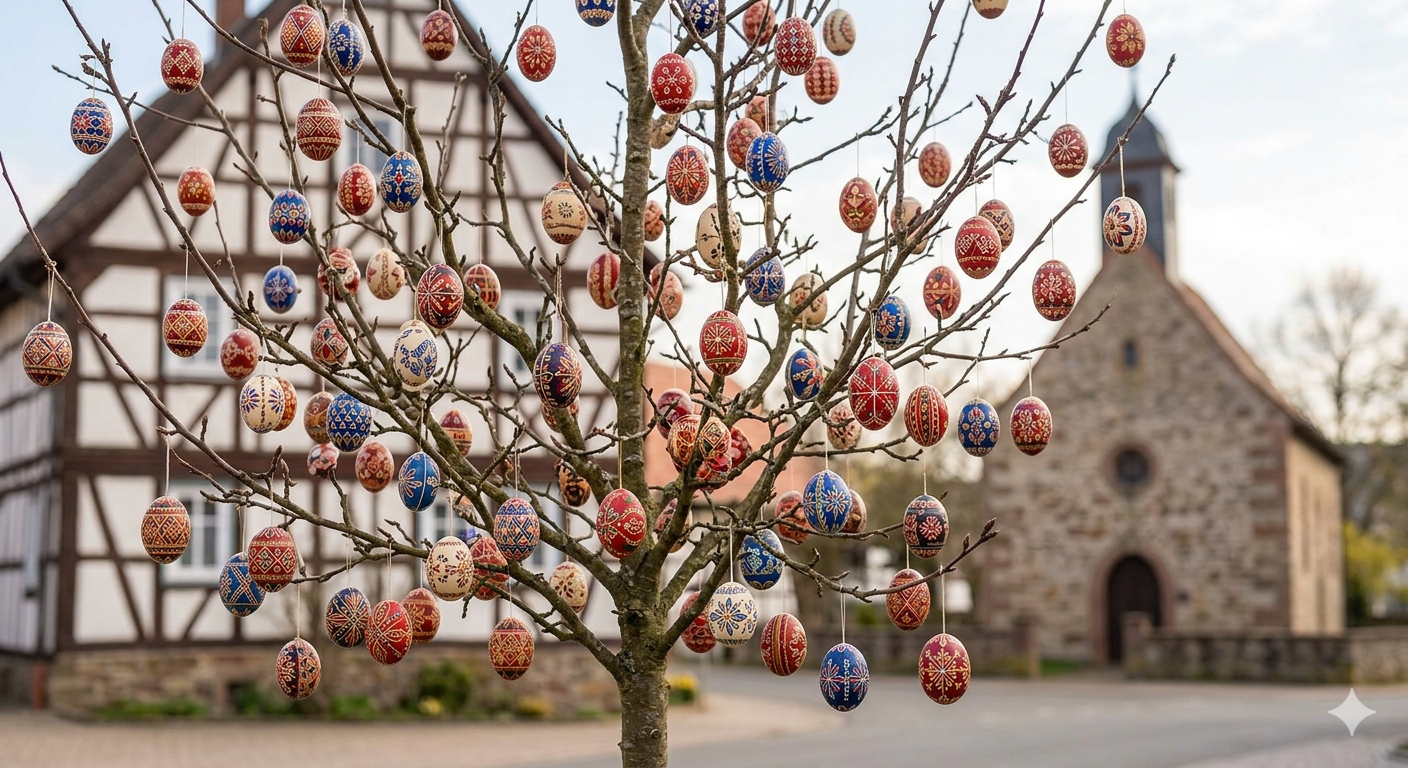
Decorating for Easter is a widespread practice in Germany. The Easter tree, or “Osterbaum,” is adorned with colorful, hard-boiled eggs and other ornaments, representing new life and the arrival of spring. Homes and gardens are filled with Easter decorations, creating a festive atmosphere that brings joy to both young and old. You can see variations of Easter egg trees in different parts of Germany.
The history of the Easter fountain
The Easter fountain, or “Osterbrunnen,” is a unique German Easter tradition, especially prominent in Franconia. Fountains are elaborately decorated with Easter eggs, greenery, and flowers, symbolizing the life-giving properties of water and the resurrection. The tradition evolved as a way to honor water as a vital resource, and now it adds a beautiful and festive touch to towns and villages during the Easter holiday.
Easter Symbols and Their Meanings
The Easter bunny: Origins and significance
The Easter bunny, or “Osterhase” in German, is one of the most recognizable symbols of Easter. According to the German Easter tradition, the Easter bunny delivers Easter eggs and other treats to children to find on Easter morning. The origin of the Easter bunny can be traced back to pre-Christian traditions, representing fertility and new life, associating him with the arrival of spring and the Easter celebration. This delightful German Easter figure has become a beloved part of German tradition, particularly among children, symbolizing the joy and excitement of the Easter holiday.
Understanding Easter eggs and their decoration
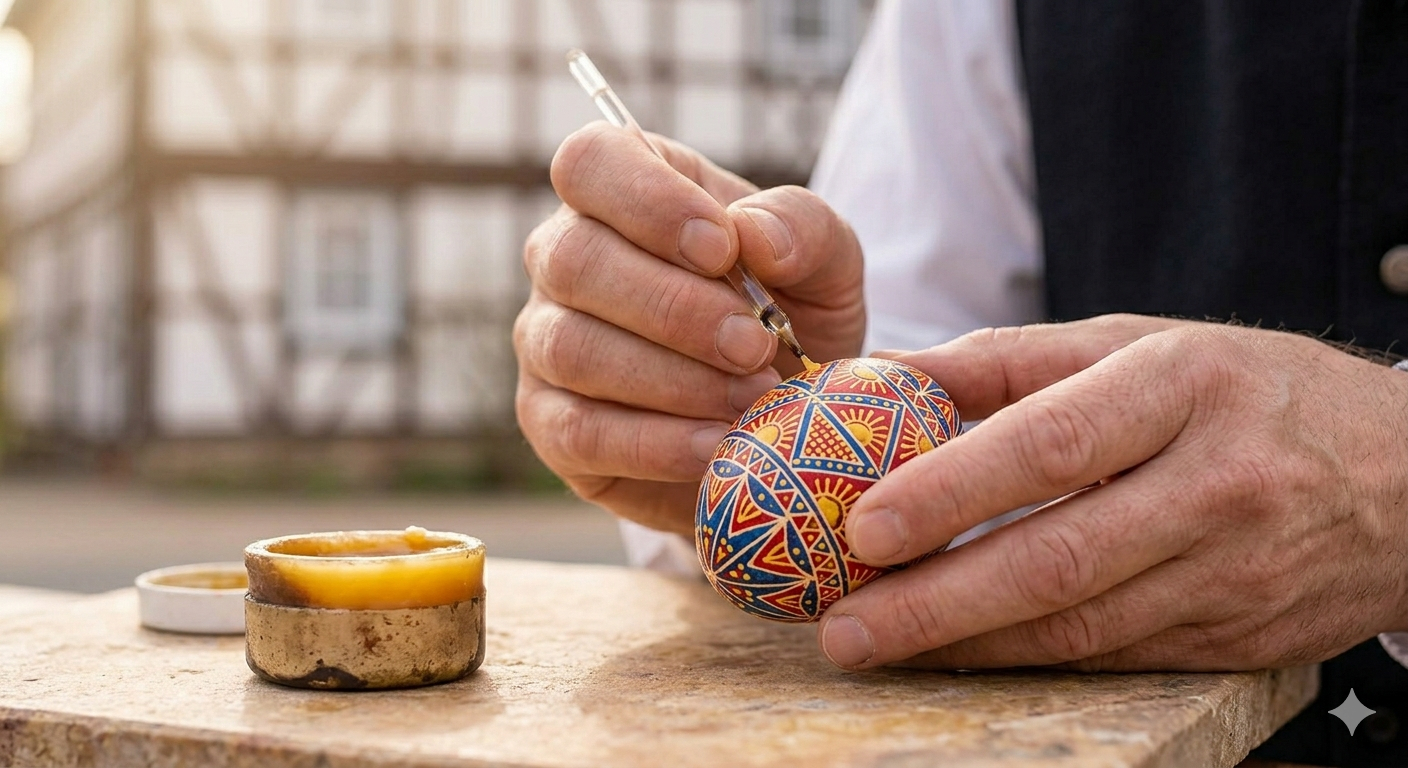
Easter eggs are a central symbol of Easter, representing new life and the resurrection of Jesus Christ. The Easter tradition of decorating eggs dates back centuries, with various techniques used to create intricate patterns and designs. Hard-boiled eggs are often painted with vibrant colors and adorned with various Easter decorations, transforming them into festive works of art. In parts of Germany, you’ll find Easter egg tree displays, showcasing beautifully decorated eggs, symbolizing the essence of Easter and the celebration of Easter in Germany. Children especially enjoy hunting for Easter eggs during the Easter egg hunt.
The symbolism of the Easter lamb
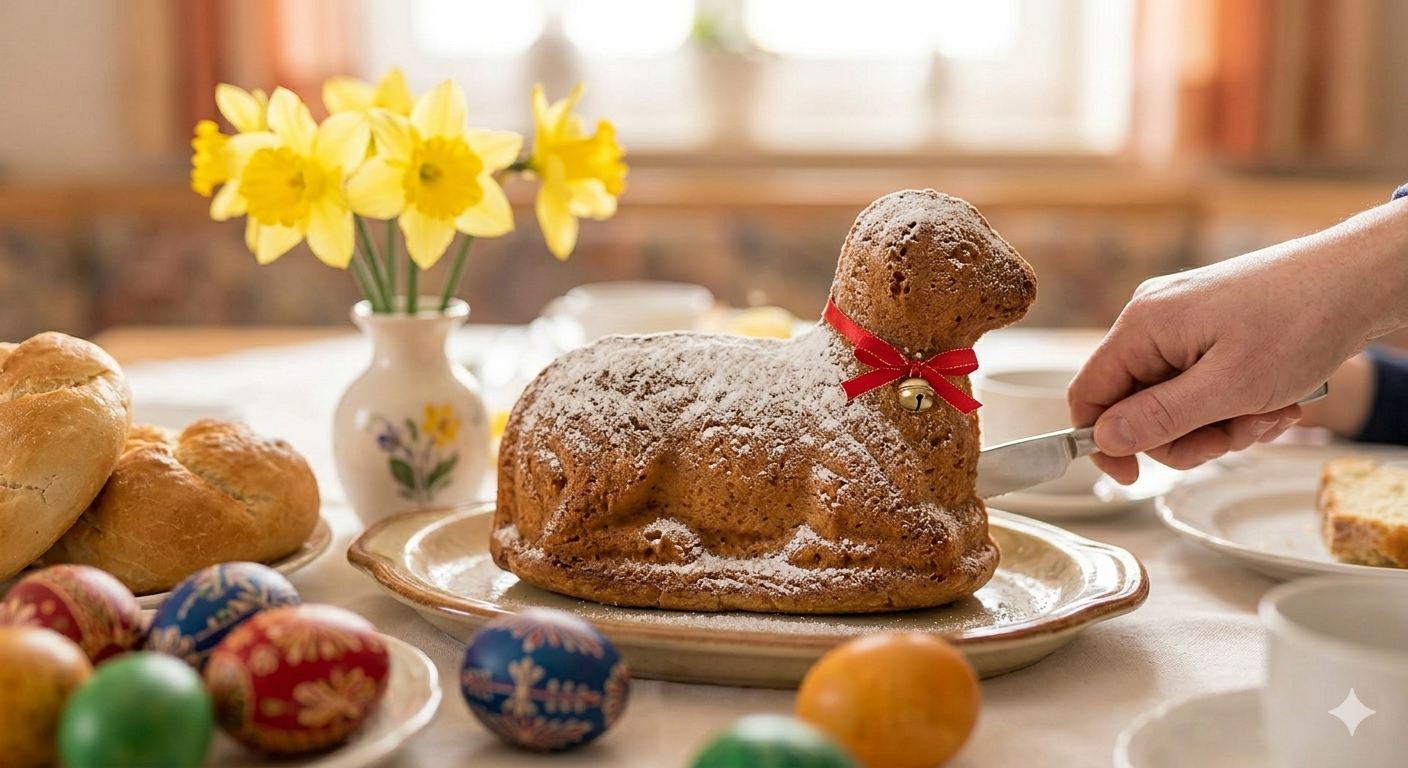
The Easter lamb is another important symbol in the Easter tradition. The Easter lamb represents Jesus Christ, often referred to as the Lamb of God, symbolizing purity and sacrifice. Sweet Easter lambs made from cake, known as Easter lamb cake or “Osterlamm,” are a common Easter food in Germany, enjoyed as a traditional dessert during the Easter celebration. Seeing the Easter lamb as part of the Easter traditions in Germany is a symbol that reinforces the religious significance of the holiday. The image of the Easter lamb evokes feelings of peace and renewal that align with the Easter holiday.
Celebrating Easter: Activities and Events
Easter egg hunts: How they are organized
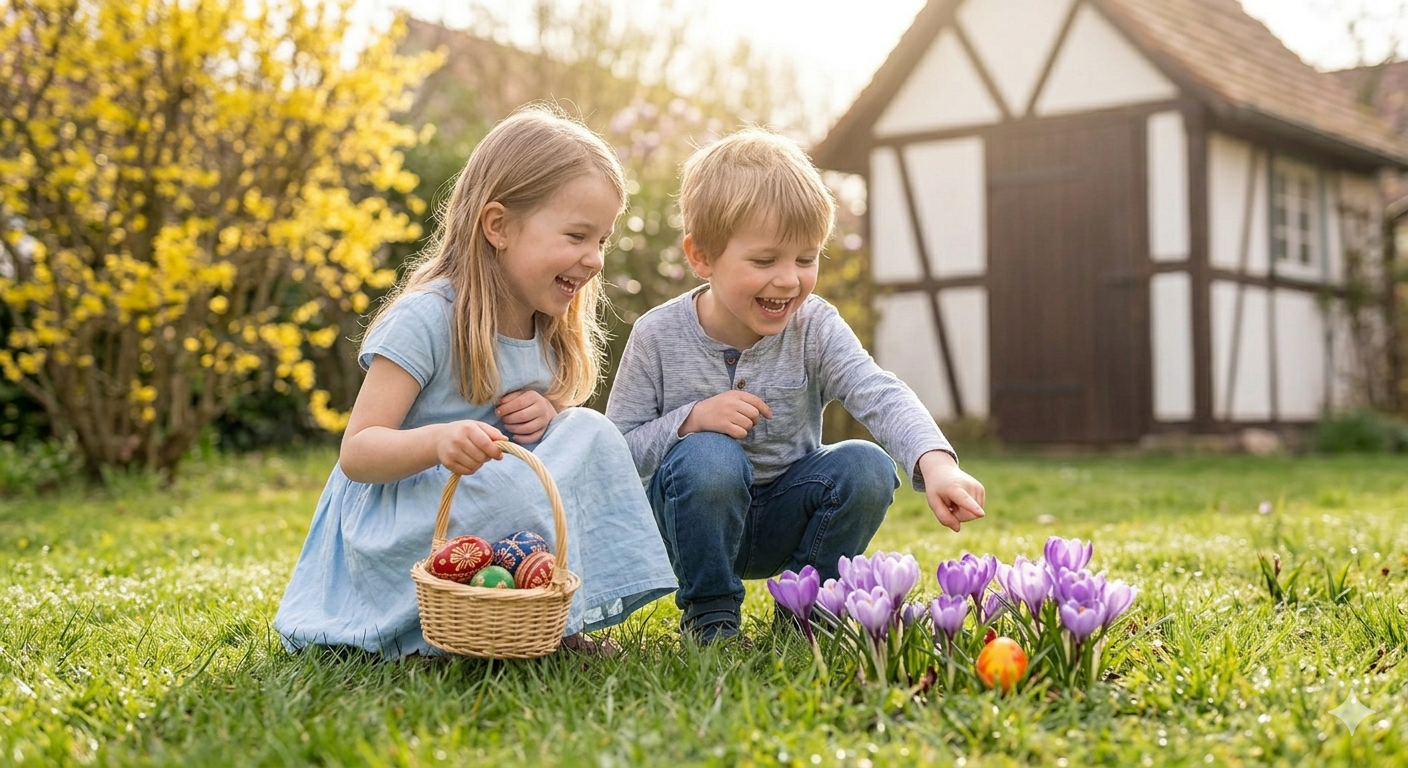
Easter egg hunts are a beloved activity during Easter in Germany, especially for children. These Easter egg hunt events involve hiding Easter eggs, often chocolate eggs, in gardens, parks, or even inside homes, for children to find on Easter morning. The Easter tradition of the Easter egg hunt promotes fun and excitement, as children eagerly search for hidden treasures, adding a playful element to the Easter holiday. The Easter egg hunt tradition continues to be a highlight of Easter, fostering joy and anticipation for the younger generations.
Experiencing traditional Easter markets
Easter markets, or “Ostermärkte,” are a vibrant part of the Easter celebration in Germany, typically held in towns and cities during the week leading up to Easter. These festive Easter markets feature various stalls selling Easter decorations, handcrafted gifts, traditional Easter food, and other seasonal items. Visitors can explore the Easter market, enjoy the lively atmosphere, and purchase unique Easter-themed goods, making it a delightful German Easter experience. The colorful displays and festive ambiance of the traditional Easter market enhance the overall Easter spirit.
Participating in Easter bonfires
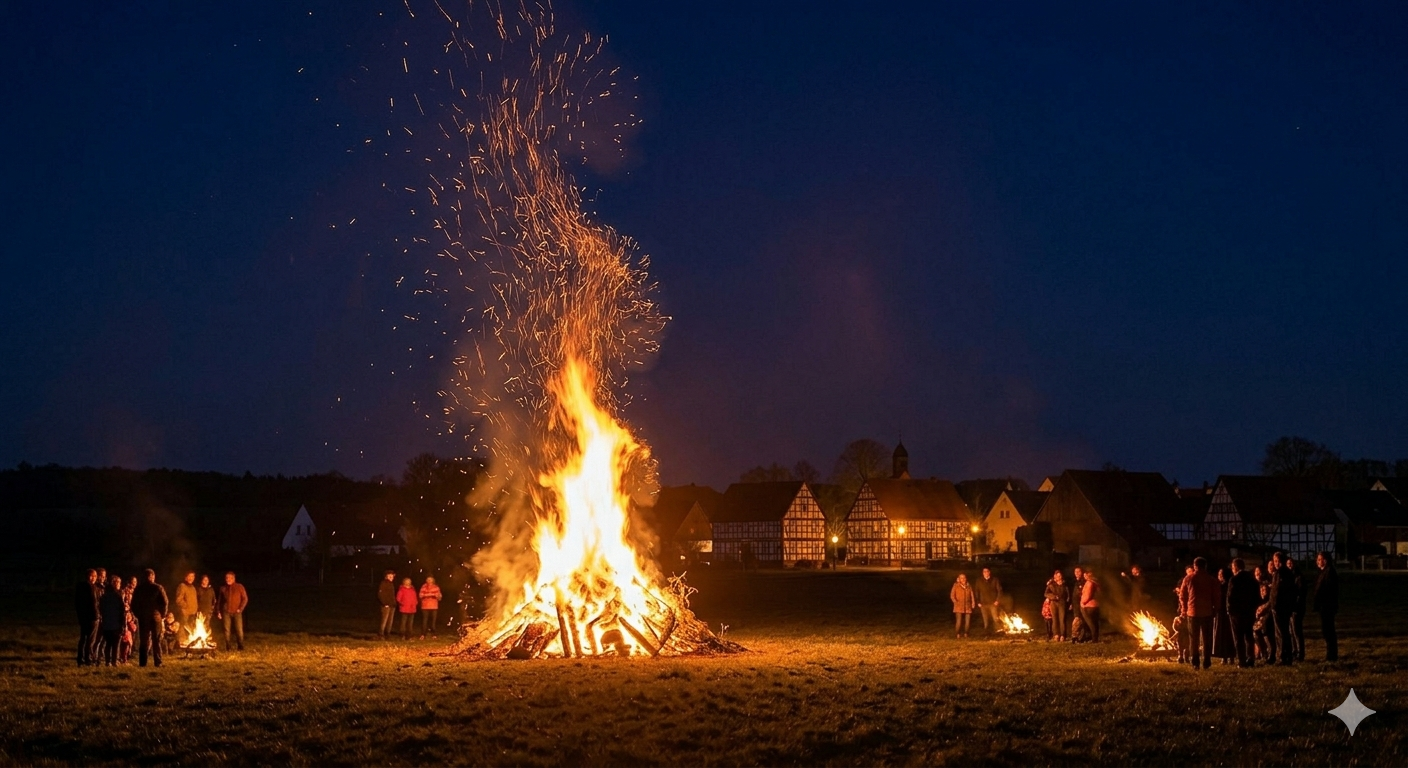
Easter bonfires, or “Osterfeuer,” are a traditional Easter custom in Germany, typically held on Easter Eve or Easter Sunday. These Easter bonfires symbolize the end of winter and the welcoming of spring. Communities gather to light a large Easter fire, creating a spectacle of warmth and light that illuminates the night sky. Participating in Easter bonfires is a communal activity, fostering a sense of togetherness and celebration as people gather around the flames to celebrate Easter traditions in Germany. Many believe that the Easter bonfires ward off evil spirits and herald the arrival of spring.
Delightful German Easter Foods
Traditional Easter foods and their significance
Easter in Germany is not just about colorful eggs and Easter bunnies; it’s also a time for indulging in traditional Easter food. The types of Easter food enjoyed during the Easter celebration often carry symbolic meanings. From hearty main courses to sweet treats, the German Easter tradition incorporates a range of dishes that bring families together to celebrate Easter in Germany.
Recipes for Easter bread and Easter lamb cake
Here are a couple of popular ways to celebrate Easter in Germany, and they both involve delicious treats:
- Easter bread, known as “Osterbrot,” is a sweet dough often made with raisins and almonds.
- Easter lamb cake, or “Osterlamm,” is a delightful cake shaped like a lamb, symbolizing the resurrection of Jesus Christ.
Both recipes are enjoyed during the Easter weekend, adding sweetness to the Easter celebration.
Regional variations in Easter cuisine
Just as with other holidays, regional variations in Easter food exist across Germany. In some parts of Germany, you might find specific types of sausages or potato dishes that are particular to the area’s Easter celebration. Additionally, different regions may have their own unique versions of Easter bread or Easter lamb cake, reflecting local culinary traditions. Experiencing these regional differences can enhance your understanding and appreciation of the diverse Easter traditions in Germany.
Practical Tips for Celebrating Easter in Germany
How to participate in local Easter celebrations
Participating in local Easter celebrations in Germany can be a fantastic way to immerse yourself in the culture. Check local event listings for Easter markets, Easter egg hunt activities, or community Easter bonfires. Many towns and villages also host special church services or festive gatherings during the Easter holiday. Engaging in these events allows you to celebrate Easter and connect with the local community.
Tips for decorating your home for Easter
Decorating your home for Easter can be a fun and creative way to embrace the Easter spirit. Start by adorning an Easter tree with painted egg decorations, symbolizing new life. You can also use Easter bunnies, colorful ribbons, and spring flowers to create a festive atmosphere. These Easter decorations bring the joy of Easter in Germany into your living space, making the Easter holiday feel even more special.
Common mistakes to avoid during Easter celebrations
One common mistake to avoid during Easter celebrations in Germany is underestimating the significance of Good Friday, a solemn day of remembrance. It’s also important to be mindful of local customs and traditions. Showing respect for these cultural norms will ensure a more meaningful and enjoyable Easter celebration. Keep in mind that shops are typically closed on Good Friday, Easter Sunday, and Easter Monday, as they are public holidays in Germany, so plan your shopping accordingly to celebrate Easter.
Key Takeaways and Next Steps
Summary of important Easter traditions
German Easter traditions blend religious significance with joyful celebrations. Easter egg hunts, decorating Easter trees, and lighting Easter bonfires are popular ways to celebrate Easter. Traditional Easter food, such as Osterbrot and Osterlamm, adds a delicious touch. Understanding these customs provides a deeper appreciation for the holiday in Germany. Remember that the Easter celebration in Germany is more than just a public holiday; it’s a time for community, renewal, and hope.
Actionable steps for planning your Easter celebration
To plan your own Easter celebration in Germany, start by checking local event listings for Easter market or Easter egg hunt opportunities. Gather your supplies for decorating Easter eggs and creating an Easter tree. If you plan to bake Osterbrot or Osterlamm, gather the necessary ingredients in the week leading up to Easter. The ways to celebrate are endless. By taking these actionable steps, you can fully immerse yourself in the Easter traditions in Germany.
FAQs about celebrating Easter in Germany
Here are some elements of the German Easter tradition:
- The Easter bunny, or Osterhase, symbolizes new life and fertility, bringing Easter eggs and treats to children.
- The Easter fountain, or Osterbrunnen, is a fountain decorated with Easter eggs and greenery, symbolizing water as a life-giving resource.
Easter eggs represent new life and the resurrection of Jesus Christ, and Good Friday commemorates the crucifixion of Jesus Christ.