Celebrate Easter in Germany: Traditions, Chocolate & More
Easter in Germany is a vibrant and cherished time of year, blending Christian traditions with unique German customs. This guide will help you navigate and fully celebrate Easter like a local, from understanding the significance of Ostern to participating in traditional festivities. Get ready to explore the many facets of Easter in Germany!
Understanding German Easter Traditions
German Easter traditions are a rich tapestry woven with religious significance and pagan customs celebrating the arrival of spring. Understanding these traditions provides a deeper appreciation for the holiday and enhances your experience of Easter in Germany. It is a time filled with unique celebrations and symbols that reflect the country’s cultural heritage.
The Significance of Easter in Germany
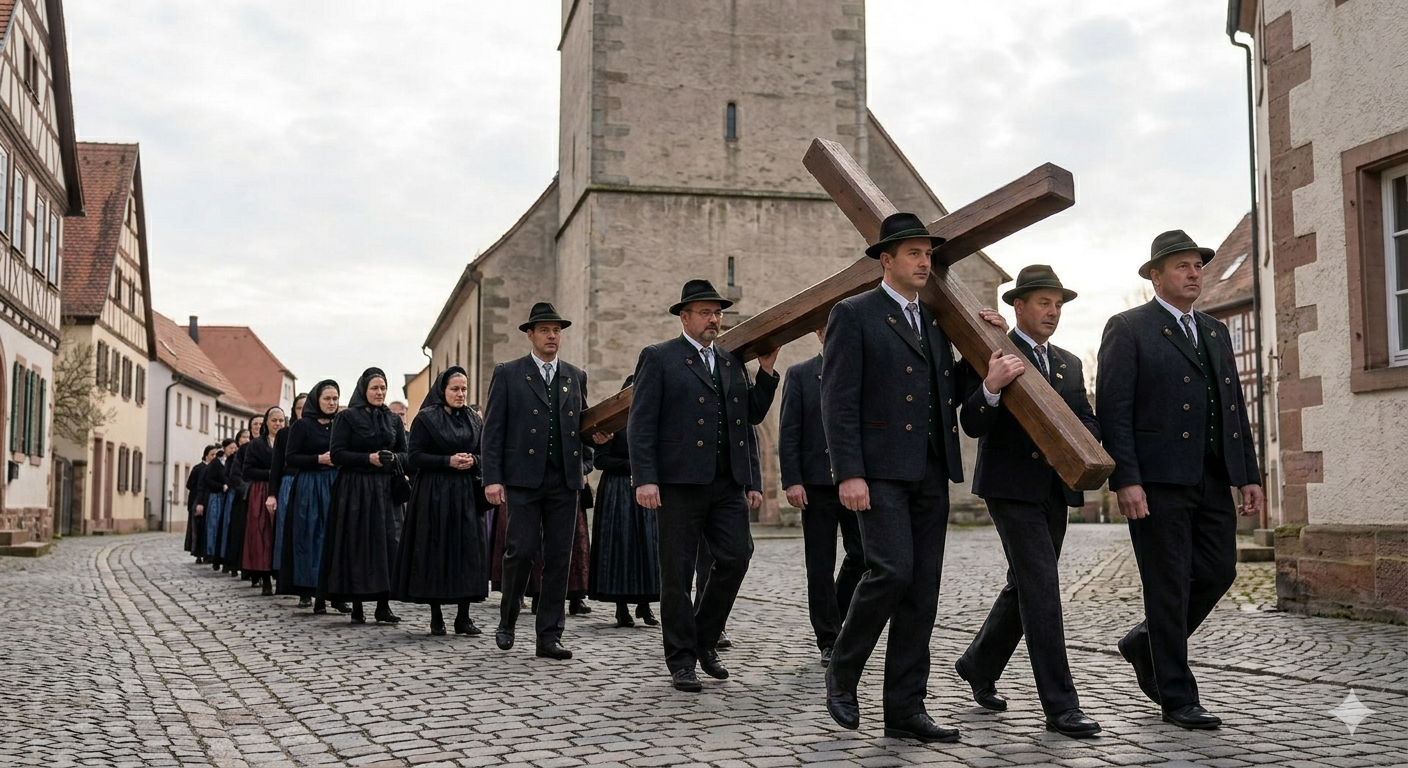
Easter in Germany, or Ostern, holds immense significance as a central Christian holiday commemorating the resurrection of Jesus Christ. Beyond its religious importance, Easter represents the triumph of life over death and the renewal of hope. Families gather to celebrate Easter traditions, emphasizing the importance of faith and togetherness during this special Easter season.
Historical Roots of Easter Traditions
Many Easter traditions in Germany have roots in pre-Christian spring festivals, celebrating fertility and the awakening of nature after winter. The adoption of Christian beliefs layered new meaning onto existing customs, creating a distinctive combination of pagan and Christian traditions. This fusion is evident in symbols like the Easter Bunny and Easter egg, representing new life and the resurrection.
Ostern: Celebrating Spring and Renewal
Ostern, the German name for Easter, encapsulates the spirit of spring and renewal. As winter’s grip loosens, Germans celebrate the arrival of warmer weather and the blossoming of nature. The German Easter tradition incorporates symbols of new life, such as Easter eggs and the Easter Bunny, alongside Christian celebrations of the resurrection.
Iconic Symbols of Easter: Eggs, Bunnies, and More
Germany adorns Easter with iconic symbols that enhance the festive atmosphere. From the beloved Osterhase delivering Easter eggs to intricately decorated Easter trees, these symbols represent various aspects of the holiday’s meaning and traditions. Discover the history and significance behind these cherished emblems of Easter in Germany.
The Easter Bunny (Osterhase) and Its Origins
The Easter Bunny, or Osterhase, is perhaps the most recognizable symbol of Easter, especially for German children. As German tradition has it, the Osterhase delivers Easter eggs and hides them for children to discover. The Easter Bunny tradition, despite its debated origins, likely derives from early symbols of fertility and new life.
Decorating Easter Eggs: A Colorful Tradition
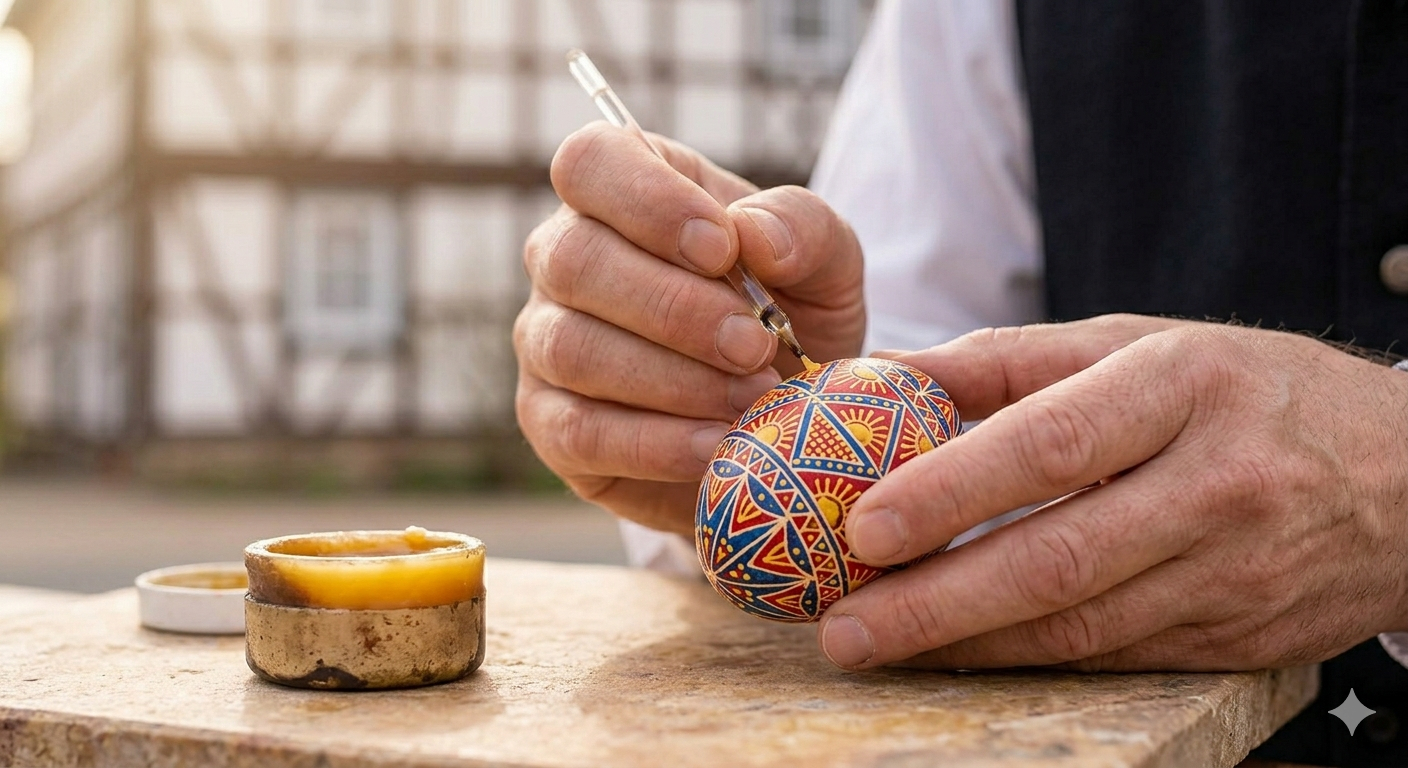
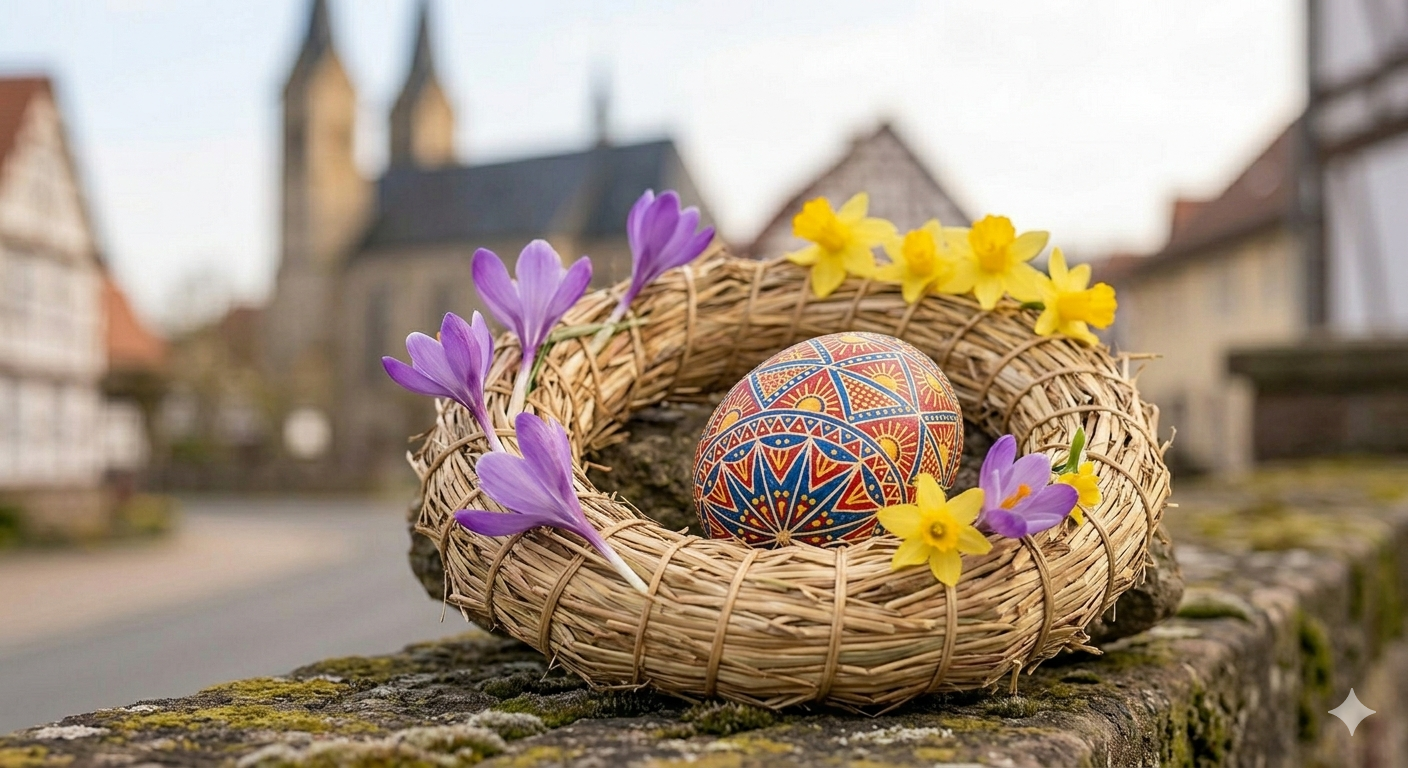
Decorating Easter eggs is a beloved Easter tradition in Germany. Families gather to paint Easter eggs, color them, and adorn them with intricate designs. These colored eggs symbolize new life and the resurrection, adding a splash of color and artistry to the Easter celebrations. Hard-boiled eggs are used, often decorated weeks before Easter.
The Tradition of the Easter Tree
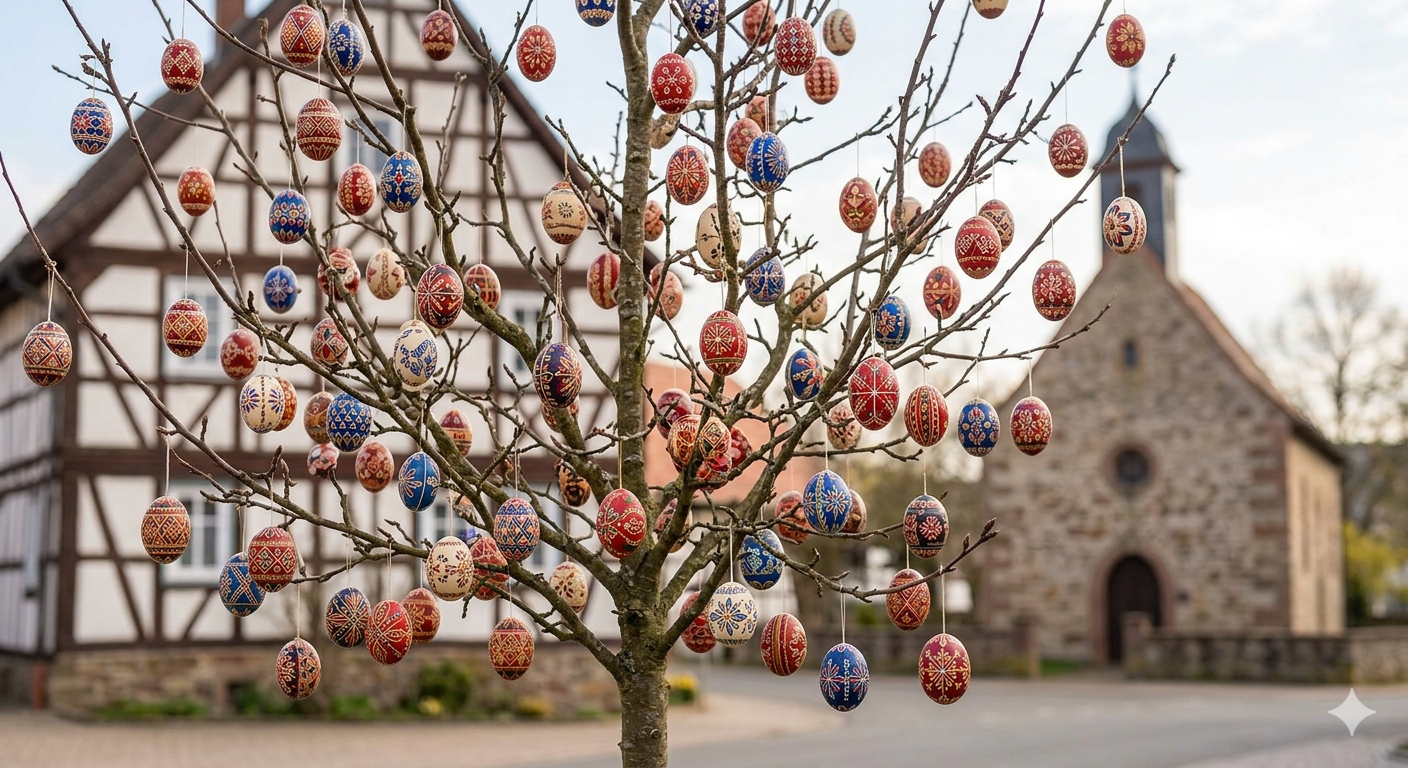
The Easter tree, or Easter egg tree, is a unique German custom where branches are adorned with Easter eggs, often painted Easter eggs. This colorful Easter tree adds a festive touch to homes and gardens, symbolizing new life and the vibrancy of spring. The tradition of the Easter egg tree is popular throughout the Easter weekend.
Traditional Easter Foods in Germany
No celebration of Easter in Germany is complete without indulging in traditional Easter foods. From the symbolic Easter lamb cake to sweet Easter bread and tempting chocolate treats, the Easter table is a feast for the senses. Explore the culinary delights that define Easter celebrations in Germany.
Easter Lamb Cake (Osterlamm) and Its Symbolism
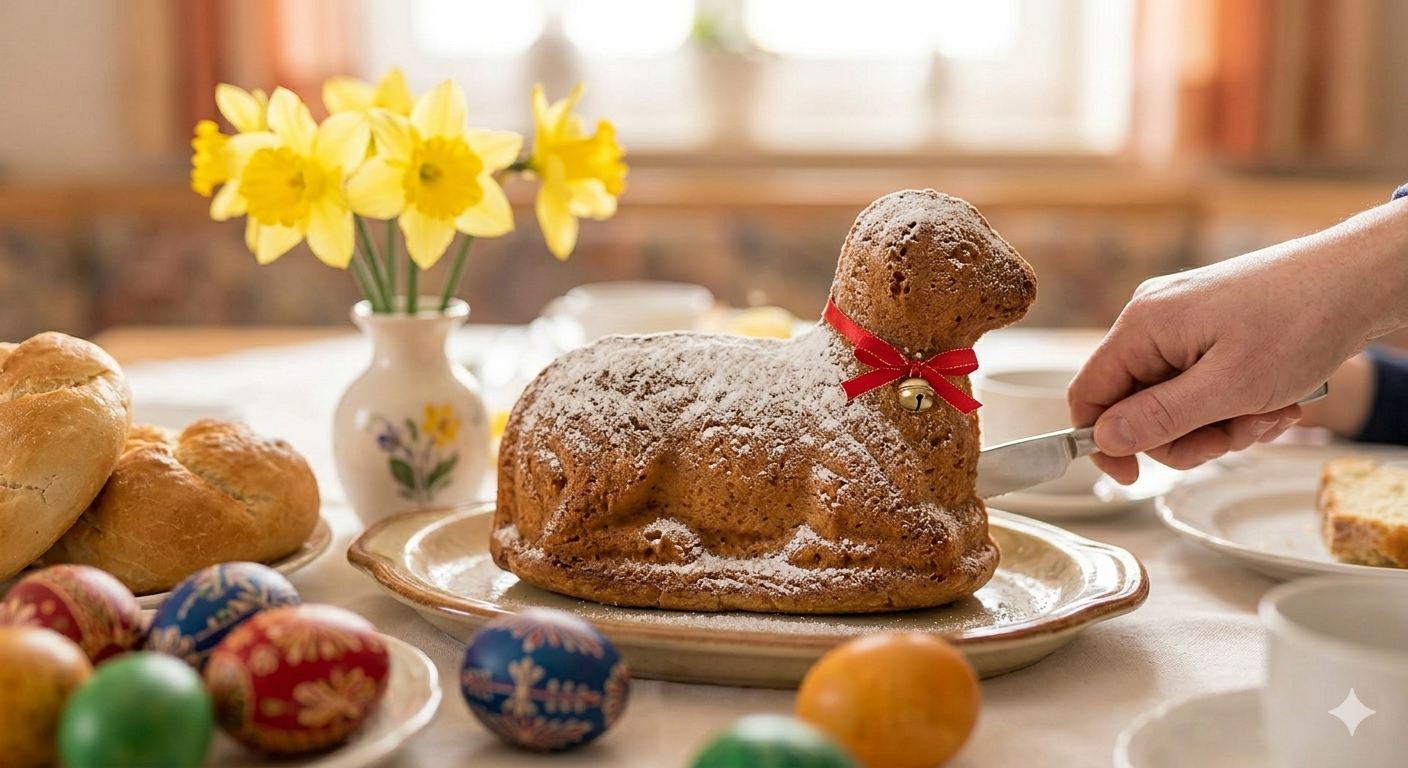
The Easter lamb cake, or Osterlamm, is a traditional German Easter dessert baked in the shape of a lamb. It symbolizes Jesus Christ, the Lamb of God, and is a staple on Easter tables across Germany. The Easter lamb cake is a reminder of the religious significance of Easter and the sacrifice of Christ.
Sweet Delights: Easter Bread and Easter Brunch
Easter bread, often a sweet yeast bread studded with raisins or almonds, is another popular treat during Easter in Germany. Families often enjoy an elaborate Easter brunch, featuring a variety of dishes alongside Easter bread, hard-boiled eggs, cheeses, and cold cuts. An Easter brunch is a great way to celebrate Easter with family and friends.
Chocolate Treats and Easter Markets
Chocolate treats abound during Easter in Germany, with Easter chocolates taking center stage. Easter markets are filled with chocolate bunnies, eggs, and other sweet delights, tempting both young and old. The Easter markets provide a festive atmosphere where you can immerse yourself in the celebration and stock up on delicious chocolate.
Festive Activities During Easter Weekend
The Excitement of Easter Egg Hunts
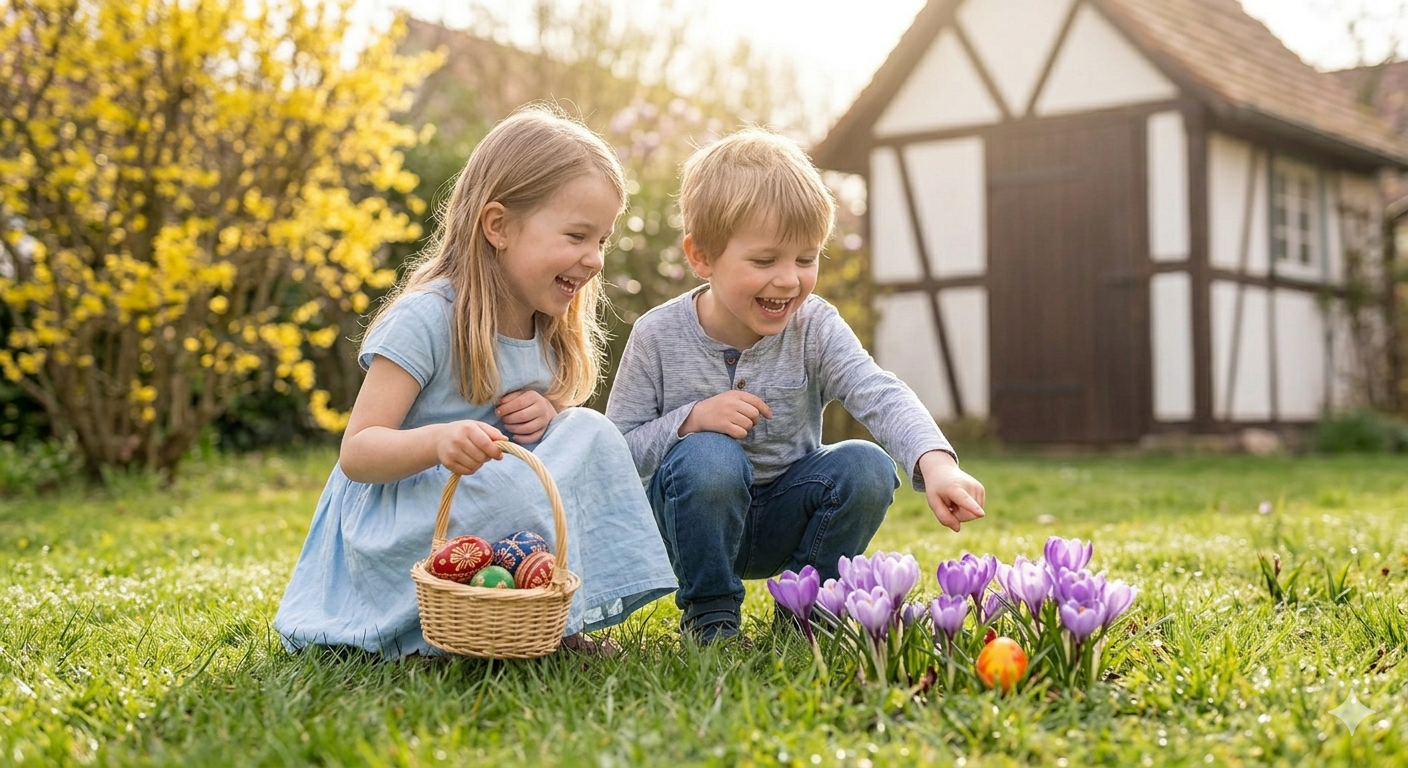
One of the most eagerly anticipated German Easter traditions for German children is the Easter egg hunt, known as the Easter egg hunt. According to German tradition, the Osterhase hides colored eggs in gardens, parks, and even indoors. The thrill of the Easter egg hunt combined with the anticipation of finding chocolate makes it a joyous activity for everyone.
Community Celebrations and Easter Bonfires
Many communities across Germany celebrate Easter with Easter bonfires, a tradition rooted in pagan customs to ward off winter spirits. As dusk settles on Easter Sunday, families gather around the Easter bonfire to witness the spectacle and sometimes even roast marshmallows. The Easter bonfire fosters a sense of togetherness and community spirit during the Easter weekend.
Visiting Easter Fountains: A Unique Tradition
In some regions of Germany, especially Franconia, you’ll find fountains with Easter eggs, a unique German custom. Volunteers decorate fountains with painted Easter eggs, garlands, and ribbons, creating a colorful display that attracts tourists and locals alike. Visiting an Easter fountain is a delightful way to experience a lesser-known aspect of Easter traditions in Germany.
Practical Tips for Celebrating Easter in Germany
How to Participate in Local Easter Events
To fully celebrate Easter in Germany, immerse yourself in local Easter events. Check community bulletin boards, local newspapers, and online event calendars for Easter egg hunts, Easter markets, Easter bonfires, and church services. Participating in these events provides an authentic experience and allows you to connect with the local community during Easter season.
Understanding Local Customs and Etiquette
When participating in Easter traditions in Germany, be mindful of local customs and etiquette. Dress appropriately for church services and be respectful during religious ceremonies. If invited to an Easter brunch, bring a small gift, such as flowers or chocolate. Showing respect for local customs will enhance your experience and foster positive interactions.
Finding the Best Easter Markets and Activities
To find the best Easter markets and Easter traditions, explore different cities and towns throughout Germany. Major cities like Nuremberg and Munich host large Easter markets, while smaller towns offer more intimate and traditional celebrations. Don’t hesitate to explore lesser-known areas to uncover hidden treasures and distinctive Easter festivities.
Common Mistakes to Avoid During Easter Celebrations
Misunderstanding the Significance of Certain Symbols
A common mistake is misunderstanding the significance of certain symbols associated with Easter in Germany. The Easter bunny, for example, is not just a cute character but represents fertility and new life. Similarly, Easter lamb cake symbolizes Jesus Christ, so be mindful of their religious and cultural context.
Overlooking Local Traditions and Customs
Another mistake is overlooking local traditions and customs specific to certain regions of Germany. While some traditions like decorating painted Easter eggs are widespread, others, such as Easter fountains or certain Easter bonfire rituals, are unique to certain areas. Research local customs to avoid unintentionally offending anyone.
Expectations vs. Reality of Easter Celebrations
It’s important to have realistic expectations about Easter celebrations in Germany. While you might imagine non-stop festivities and chocolate, Easter is also a time for reflection and religious observance. Many businesses are closed on Good Friday and Easter Monday, so plan accordingly and embrace the quieter moments of the Easter weekend.
Key Takeaways and Next Steps
Summarizing the Joys of Celebrating Easter in Germany
Celebrating Easter in Germany offers a unique opportunity to immerse oneself in a blend of Christian and pagan Easter traditions. From participating in Easter egg hunts to marveling at the Easter egg tree, the Easter bunny and colored eggs symbolize new life and the German Easter tradition.
Encouraging Cultural Engagement and Learning
To fully celebrate Easter in Germany, take the initiative to learn about the deeper meanings behind German Easter traditions. Engage in conversations with locals, attend cultural events, and explore the regional differences in how Easter traditions are celebrated during the Easter season, and embrace the joy and learning that comes with it.
Resources for Further Exploration of German Traditions
Delve deeper into German tradition by exploring online resources such as the German National Tourist Board, cultural organizations, and local community websites. Books, documentaries, and language courses can also enhance your understanding of German customs, ensuring a more enriching and meaningful experience of Easter in Germany.
Frequently Asked Questions about Easter in Germany
What are the most popular Easter traditions in Germany?
Here are some of the most popular German Easter traditions. They involve a variety of activities and symbols, including:
- The Easter egg hunt
- Decorating painted Easter eggs
- Baking Easter lamb cake
- Lighting Easter bonfires
- Visiting Easter markets
The Easter bunny and Easter egg tree are also iconic symbols of the Easter season in Germany and the colored eggs.
How does Easter differ from other holidays in Germany?
Easter, unlike other holidays in Germany, uniquely blends Christian significance with pagan roots, emphasizing themes of the resurrection of Jesus Christ and spring renewal. While Christmas focuses on family gatherings and gift-giving, Easter incorporates outdoor activities and unique symbols like the Easter bunny and Easter egg tree.
What traditional foods should I try during Easter?
During Easter in Germany, be sure to try the Easter lamb cake, a sweet Easter bread, and various chocolate treats like Easter chocolates. These culinary delights are integral to the Easter tradition and offer a delicious taste of German custom and the painted egg.
Are there specific customs for Easter Sunday?
Easter Sunday in Germany typically begins with a church service celebrating the resurrection. Families then partake in several cherished traditions, including:
- An elaborate Easter brunch.
- The eagerly anticipated Easter egg hunt.
The evening may include attending an Easter bonfire and savoring moments together during the Easter weekend.
How can I find local Easter events and activities?
Here’s how you can find local Easter events and activities: check community bulletin boards, local newspapers, and online event calendars. You’ll want to be on the lookout for announcements about events like:
- Easter egg hunts
- Easter markets
- Easter bonfires
- Special church services
Participating in these events will enrich your Easter celebrations and create lasting memories with the Easter bunny.
What is the significance of the Easter bunny and eggs?
The Easter bunny, or Osterhase, symbolizes fertility and new life, delivering colored eggs as a symbol of the resurrection. Eggs represent new beginnings and the promise of spring, while the Easter bunny has become a beloved figure, especially for German children in German tradition. Easter in Germany revolves around these Easter traditions.
How do Germans typically celebrate Easter Monday?
Easter Monday is a public holiday in Germany, often spent relaxing with family and friends. Many people take the opportunity to enjoy outdoor activities, such as hiking or visiting parks. Some regions may also have local Easter traditions or continue their Easter celebrations, extending the joy of the Easter weekend.