German Easter: Traditions, Holidays, and Celebrations in Germany
Easter in Germany is a vibrant tapestry woven with both Christian and pagan influences, creating a unique cultural experience. This comprehensive guide dives deep into the heart of German Easter traditions, exploring the historical background, festive celebrations, and regional variations that make this holiday so special. Whether you’re a seasoned traveler or a student preparing to experience Easter in Germany for the first time, this article will equip you with the knowledge to fully appreciate and participate in the German Easter celebrations.
Introduction to German Easter
Understanding Easter in Germany
Easter in Germany, or “Ostern” as it is known in German, is more than just a religious holiday; it’s a celebration of renewal and the beginning of spring. While Easter Sunday commemorates the resurrection of Christ, many German Easter traditions also reflect pre-Christian, pagan customs celebrating the arrival of spring. It’s a time for families to come together, celebrate life, and enjoy the beauty of the season. Many people go to church, and celebrating Easter is associated with spending time with family.
Historical Background of Easter Celebrations
The historical roots of Easter in Germany are a fascinating blend of Christian and pagan beliefs. Before the arrival of Christianity, Germanic tribes celebrated the spring equinox with festivals honoring the goddess Ostara, from whom the German word “Ostern” is believed to have originated. As Christianity spread, these pagan traditions gradually intertwined with the commemoration of Jesus’s crucifixion and resurrection, resulting in the unique blend of customs observed today. Church bells commemorate the events of Easter.
Significance of Easter Holidays
Here’s how the Easter holidays are typically observed in Germany:
- Good Friday, or “Karfreitag,” is a quiet day of remembrance for Jesus’s crucifixion.
- Easter Sunday marks his resurrection and the triumph of life over death.
Easter Monday, or “Ostermontag,” extends the celebration, providing another day for family gatherings, outdoor activities, and enjoying the arrival of spring. Shops are closed for the national holiday.
Traditional Easter Celebrations in Germany
Festive Activities and Events
German Easter celebrations are filled with festive activities and events. Among the most cherished traditions are:
- Lighting Easter bonfires, particularly popular in northern Germany, symbolizing the burning away of winter and the welcoming of spring.
- Decorating Easter egg trees, as the Easter egg, a symbol of new life, plays a central role in many traditions, from Easter egg hunts to decorating homes and gardens.
Decorate with Easter decorations to bring the Easter spirit into your home.
Regional Variations in Easter Celebrations
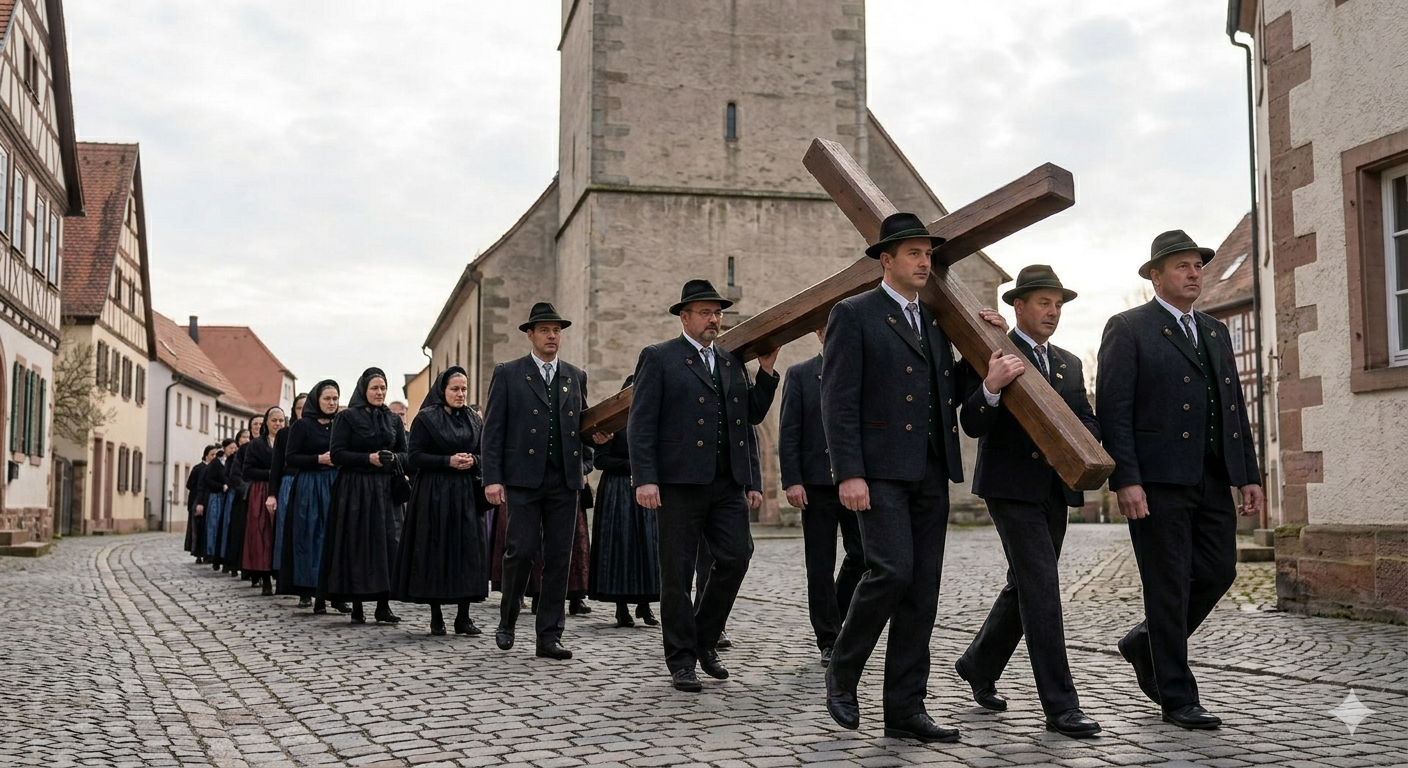
Germany’s diverse regional landscape contributes to a rich fabric of Easter celebrations. In Bavaria, traditional processions and parades wind through towns, showcasing local customs and costumes. In the Spreewald region of Brandenburg, uniquely decorated Easter eggs reflect the area’s Sorbian cultural heritage. Even in North Rhine-Westphalia, specific customs might vary from town to town, showing a nuanced local interpretation of German Easter traditions. The custom varies even in Hamburg, Thuringia, Hesse, and Saxony-Anhalt.
The Role of the Easter Bunny
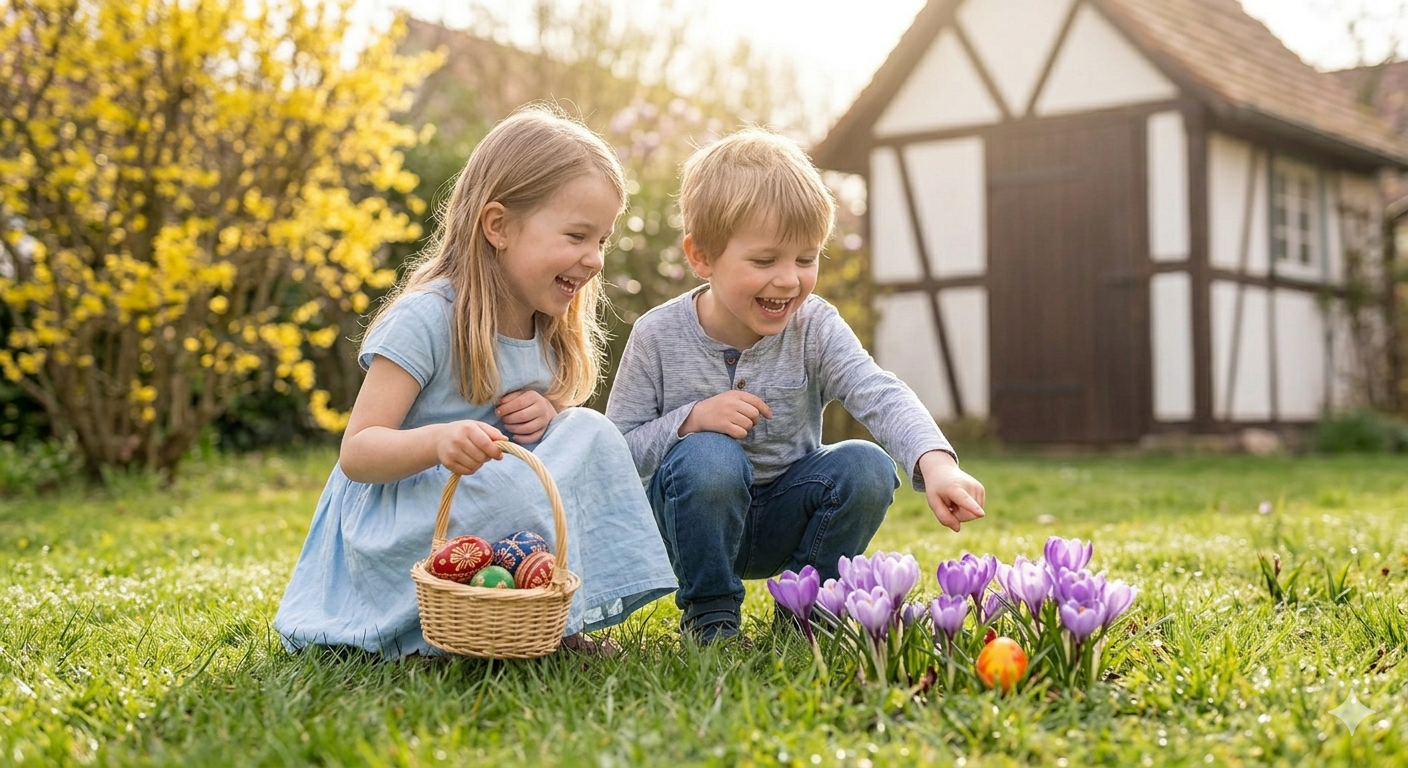
The Easter Bunny, or “Osterhase” in German, is a beloved figure in German Easter traditions, particularly among children. According to legend, the Easter Bunny hides Easter eggs, chocolate bunnies, and small gifts for children to find on Easter Sunday. Germany is believed to have originated the tradition of the Easter Bunny, with the earliest mentions dating back to the 17th century. Children eagerly anticipate the arrival of the Easter Bunny each year, adding an element of magic and excitement to the Easter celebrations.
Easter Traditions and Customs
Decorating Easter Eggs and Trees
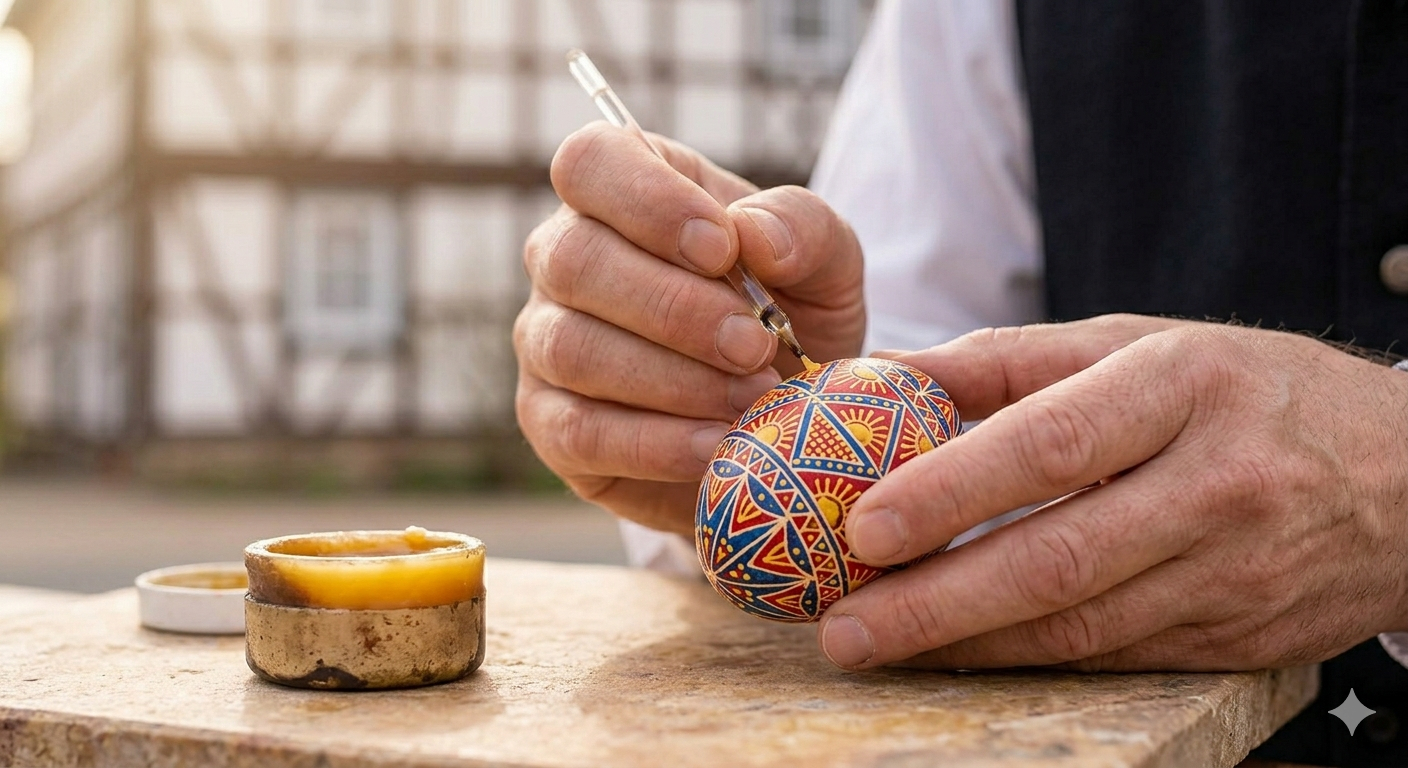
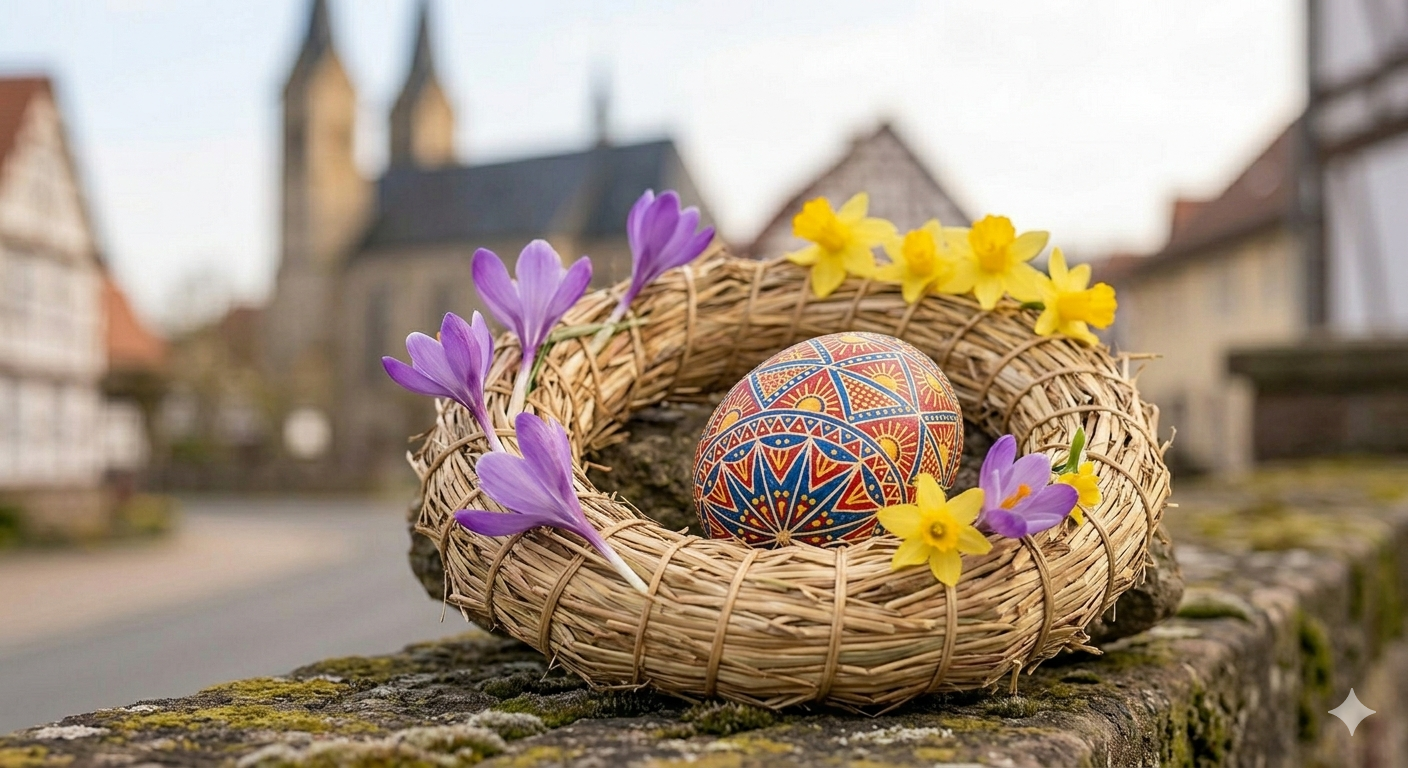
One of the most beloved German Easter traditions involves decorating Easter eggs, also known as “Ostereier.” Germans take great pride in transforming ordinary eggs into colorful works of art. Hard-boiled eggs are dyed using various techniques, from natural dyes derived from plants to vibrant artificial colors. Some people decorate eggs with intricate patterns, while others opt for simpler designs. These colored eggs are not only decorative but also symbolic, representing new life and the resurrection of Christ.
Special Foods and Dishes
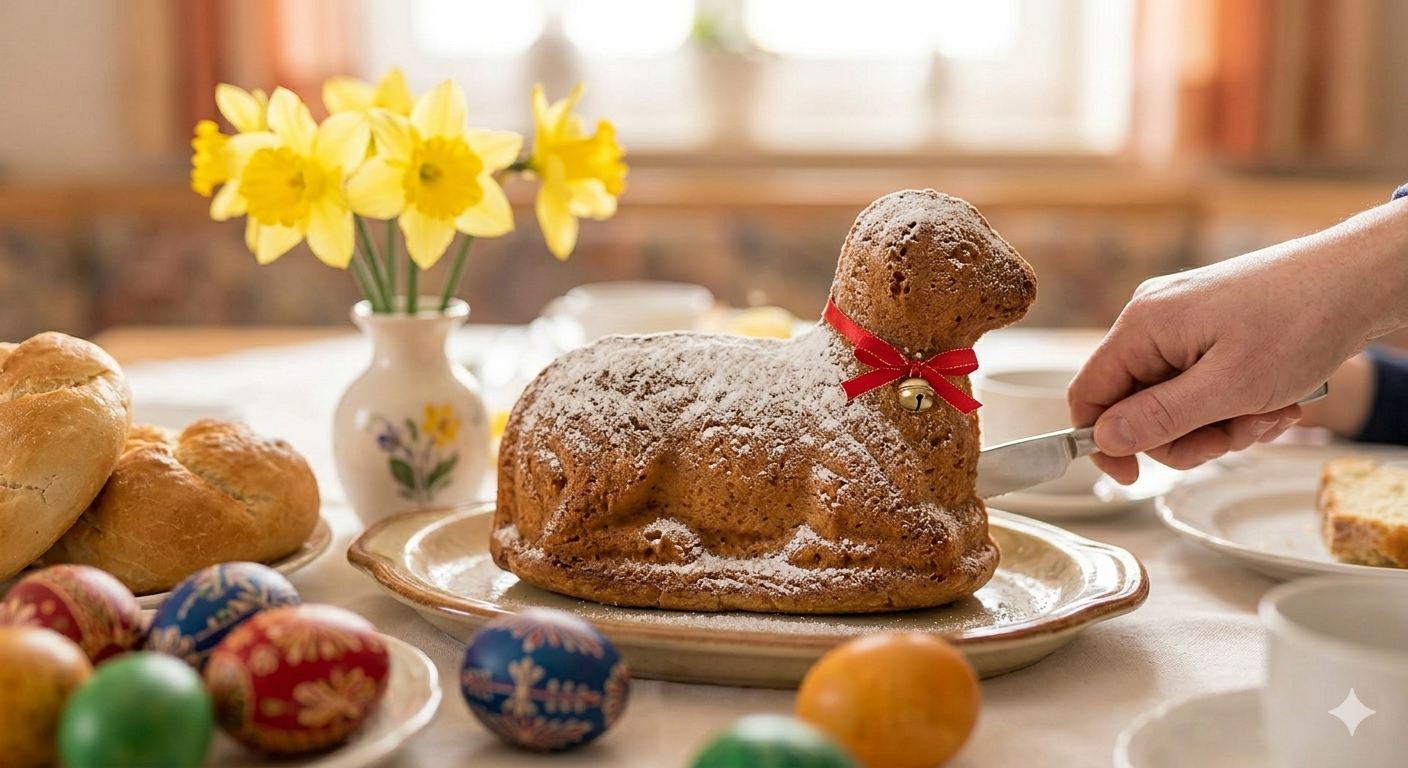
The German Easter holiday is also marked by a variety of special foods and dishes. Easter breakfast, or “Osterfrühstück,” is a festive meal shared with family and friends. It typically includes a selection of breads, cheeses, meats, and, of course, colored Easter eggs. Another popular Easter tradition is the consumption of Easter lamb, a dish that symbolizes Jesus Christ, the Lamb of God. Sweet treats, such as chocolate eggs and chocolate bunnies, are also enjoyed during this festive time.
Easter Lamb: Symbolism and Preparation
The Easter lamb, or “Osterlamm” in German, holds deep symbolic meaning within German Easter traditions. As mentioned previously, it represents Jesus Christ and is often served as the centerpiece of the Easter meal. The preparation of Easter lamb varies from region to region, but it is typically roasted or baked with herbs and spices. Some families also prepare a sweet Easter lamb cake, shaped like a lamb and dusted with powdered sugar. The Easter lamb is a reminder of sacrifice and redemption.
Easter Bonfires: A Unique Tradition
The Meaning Behind Easter Bonfires
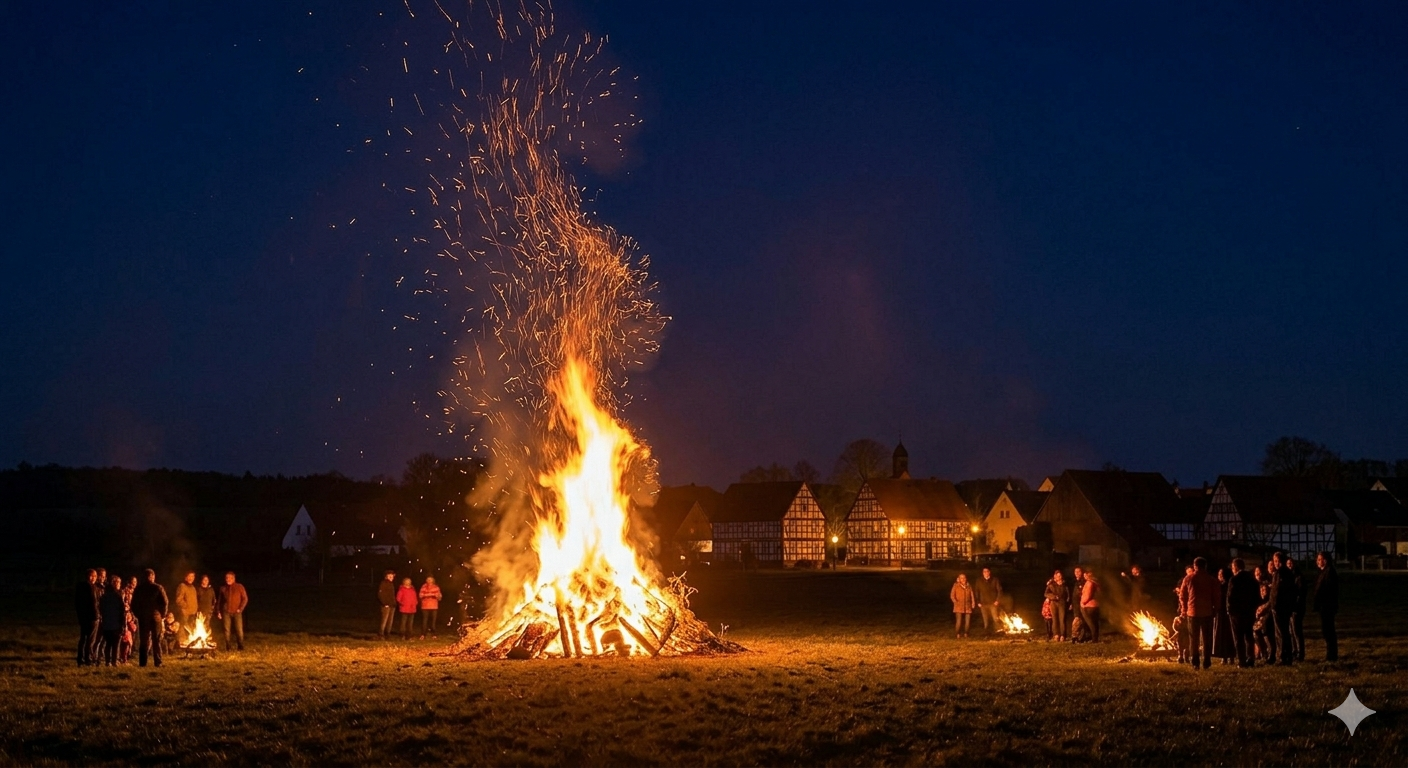
Easter bonfires, or “Osterfeuer” in German, are a unique and captivating Easter tradition, especially popular in northern Germany. These bonfires symbolize the end of winter and the welcoming of spring. The act of burning away the old is seen as a way to cleanse and purify the land, preparing it for new growth. The Easter bonfires are often community events, bringing people together to celebrate the arrival of spring.
How and Where Bonfires are Celebrated
The Easter bonfires are typically lit on Holy Saturday, the day before Easter Sunday. Communities gather in open fields or designated bonfire sites to build large piles of wood and brush. As darkness falls, the bonfire is lit, creating a spectacular display of light and warmth. People gather around the bonfire to socialize, sing songs, and enjoy traditional German food and drinks. While these celebrations are traditional in certain regions, some areas might require permits to build a bonfire, so it’s best to check local regulations.
Safety Tips for Bonfire Celebrations
While Easter bonfires are a joyous and festive tradition, safety should always be a top priority. It is essential to maintain a safe distance from the bonfire to avoid burns or injuries. Children should be supervised closely, and flammable materials should be kept away from the flames. It is also important to be aware of the wind direction to prevent sparks from spreading and causing fires. Responsible behavior ensures that everyone can enjoy the bonfire celebrations safely.
Common Mistakes and Misunderstandings
Mistakes to Avoid During Easter Celebrations
To fully appreciate and participate in German Easter traditions, it’s helpful to be aware of common mistakes to avoid. Here are a couple of things to keep in mind:
- Consider Good Friday as an ordinary day. Karfreitag, or Good Friday, serves as a quiet day of remembrance, restricting certain activities like dancing and loud music.
- People often assume that all regions celebrate Easter in the same way. Germany has diverse regional variations in Easter traditions, so it’s important to be respectful of local customs.
Misconceptions About German Easter Traditions
There are several misconceptions about German Easter traditions that are important to clarify. One misconception is that the Easter Bunny is a purely Christian symbol. The Easter Bunny actually has pagan origins, representing fertility and new life. Another misconception is that Easter is only a religious holiday. While Easter has deep religious significance for Christians, it is also a cultural celebration enjoyed by people of all backgrounds. This national holiday is about renewal for many people.
Realities vs. Expectations of Easter in Germany
For international students or visitors experiencing Easter in Germany for the first time, it’s important to have realistic expectations. While Easter is a festive time, it is also a time of reflection and remembrance. Good Friday, in particular, is a quiet day, and shops are closed. Keep in mind that some German shops remain open due to various regulations, even when others are closed. Plan accordingly, as Easter Sunday and Easter Monday are national holidays, resulting in the closure of most businesses. By understanding the realities of Easter in Germany, you can avoid disappointment and fully embrace the experience.
Practical Tips for Celebrating Easter in Germany
How to Participate in Local Traditions
To fully immerse yourself in German Easter traditions, consider attending a local church service on Easter Sunday. Many churches offer special Easter services, providing an opportunity to celebrate the resurrection of Christ with the German community. You can also participate in Easter egg hunts, which are popular among children and adults alike. Joining in these activities will help you connect with the spirit of Easter in Germany.
Where to Find Easter Markets and Events
Throughout Germany, you’ll find numerous Easter markets and events offering a glimpse into local Easter traditions. Cities like Hamburg and Bavaria host vibrant Easter markets where you can find Easter decorations, traditional food, and handcrafted gifts. Look for local processions and parades, particularly in more rural areas, to witness unique regional customs and celebrate Easter in a festive atmosphere. Many people like to visit the festivals with their family.
Essential Items to Bring to Celebrations
When attending Easter celebrations in Germany, it’s helpful to bring a few essential items to enhance your experience. A basket for collecting Easter eggs during Easter egg hunts is a must-have, especially if you’re participating with children. Also, consider bringing a small gift to share with your hosts, such as a box of German chocolates or a bottle of wine. A camera to capture the colorful Easter decorations and festive atmosphere is also a good idea, preserving the memories of your German Easter holiday. You can buy an Easter egg basket in Germany.
Key Takeaways
Summary of German Easter Traditions
German Easter traditions are a fascinating blend of Christian and pagan customs, celebrating both the resurrection of Christ and the arrival of spring. Key traditions include decorating Easter eggs, lighting Easter bonfires, enjoying special foods such as Easter lamb, and participating in Easter egg hunts. Regional variations add unique flavors to the celebrations, reflecting Germany’s diverse cultural heritage. This beautiful holiday in Germany is celebrated with family.
Final Thoughts on Celebrating Easter in Germany
Celebrating Easter in Germany offers a unique and enriching cultural experience. By understanding the historical background, participating in local traditions, and being mindful of regional variations, you can fully appreciate the spirit of German Easter. Whether you’re attending a church service, joining an Easter egg hunt, or simply enjoying the festive atmosphere, Easter in Germany is a time for renewal, reflection, and celebration of life. Enjoy spending this holiday in Germany.
Frequently Asked Questions
What are the main German Easter traditions?
The main German Easter traditions include decorating Easter eggs, participating in Easter egg hunts (often organized by the Easter Bunny), lighting Easter bonfires, and enjoying traditional food such as Easter lamb. The Easter egg tree, adorned with colorful Easter decorations, is a common sight in homes and gardens. Many people go to church for the holiday in Germany.
Why are Easter bonfires celebrated in Germany?
Easter bonfires, or Osterfeuer, are celebrated to symbolize the burning away of winter and the welcoming of spring. This pagan tradition is particularly popular in northern Germany and represents purification and renewal. It’s a way to cleanse the land and prepare it for new growth. There are safety measurements needed when setting up a bonfire.
What traditional foods are enjoyed during Easter?
Traditional food enjoyed during Easter in Germany includes Easter lamb (Osterlamm), symbolizing Jesus Christ, as well as colored eggs, Easter bread, and various sweets like chocolate eggs and chocolate bunnies. The Easter breakfast, or Osterfrühstück, is a festive meal shared with family and friends. The traditional food varies between regions in Germany.
How do Germans decorate for Easter?
Germans decorate for Easter with colorful Easter eggs, Easter egg trees, and spring flowers. Easter decorations can be found in homes, gardens, and public spaces, creating a festive atmosphere. The Easter Bunny is also a popular decorative motif, often depicted hiding eggs or carrying a basket of treats. The Easter decoration can involve real and chocolate materials.
What is the significance of the Easter Bunny in Germany?
The Easter Bunny, or Osterhase, is a beloved figure in German Easter traditions, particularly among children. According to legend, the Easter Bunny hides Easter eggs, chocolate bunnies, and small gifts for children to find on Easter Sunday. The tradition of the Easter Bunny is believed to have originated in Germany, with the earliest mentions dating back to the 17th century. Often, the Easter Bunny hides chocolate eggs.