German Student Visa Guide for International Students: How to Get Your Student Visa for Germany
Are you considering studying in Germany as an international student? Navigating the visa process can seem daunting, but don’t worry! This guide is designed to simplify the requirements and application process for your German student visa. We’ll walk you through each step, from determining if you need a visa to understanding the necessary documents and procedures. Let’s make your dream of studying in Germany a reality.
Understanding the Need for a Visa

Do You Need a Student Visa to Study in Germany?
The first question international students often ask is, “Do I need a student visa to study in Germany?” The answer depends on your nationality. Citizens of the European Union, Iceland, Liechtenstein, Norway, and Switzerland don’t need a visa to study in Germany. However, upon arrival in Germany, they must register with the local Residents’ Registration Office. If you’re a student from countries like the USA, Australia, Canada, Israel, Japan, New Zealand, or South Korea, you may not need a visa to enter Germany, but you must apply for a residence permit at the local Foreigners’ Office after arriving in Germany and before your 90-day stay expires. For everyone else, obtaining a German student visa before traveling to Germany is essential.
Types of Visas for International Students
Several types of visas cater to international students wanting to study in Germany. The most common is the student visa (Studienvisum), specifically designed for individuals accepted into a German university. There’s also the student applicant visa (Studienbewerbervisum), which allows you to stay in Germany while applying to universities. If you plan to attend a language course as preparation for university studies, you’ll need a language course visa. It’s crucial to select the correct type of visa, as a tourist visa cannot be converted into a student visa or residence permit once you’re in Germany. Selecting the right type of visa will ensure you are able to obtain your student residence permit.
Requirements for Obtaining a German Student Visa
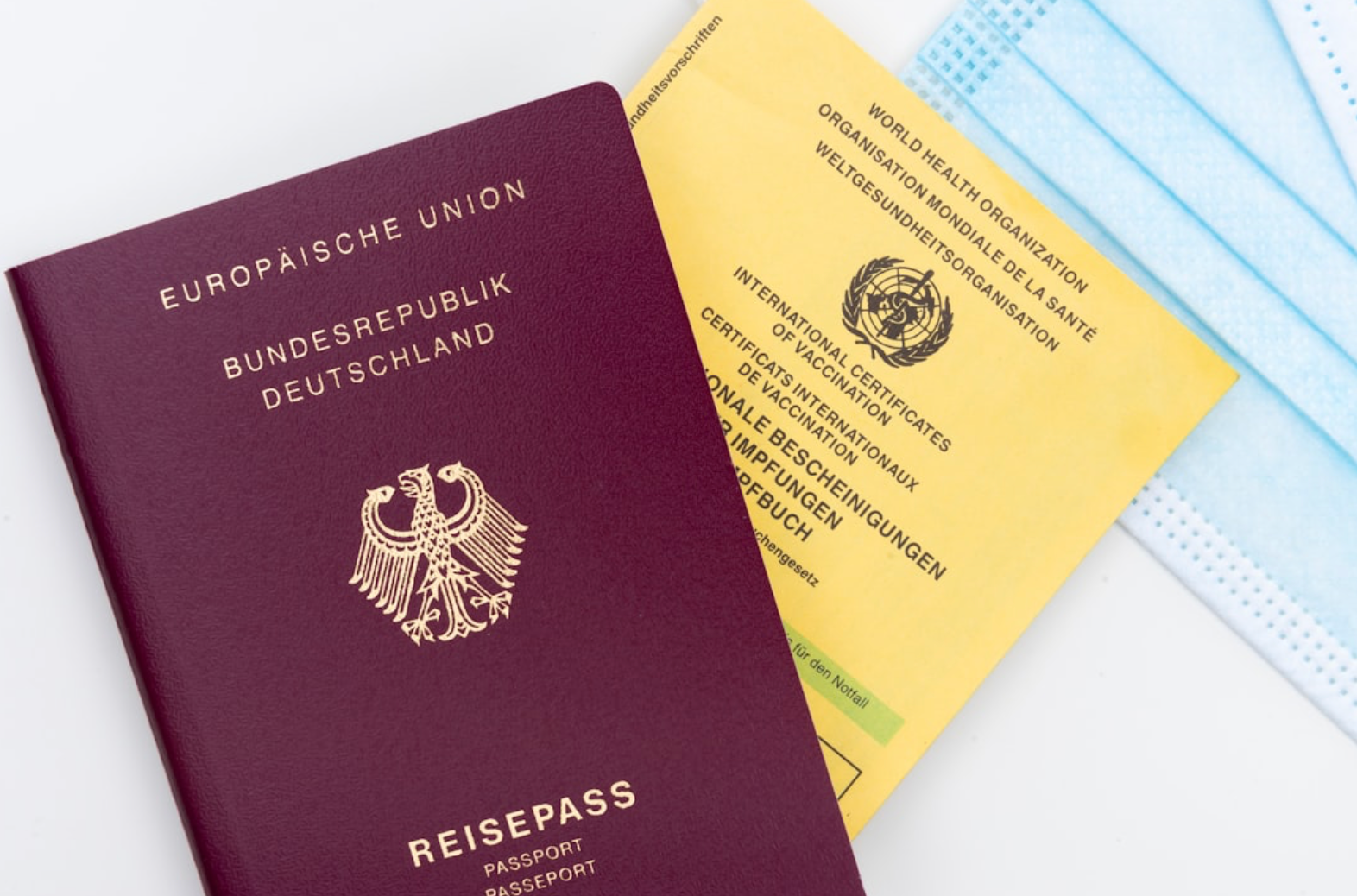
The requirements for obtaining a German student visa are fairly standardized. Key documents include a valid passport, proof of admission to a German university (or proof of application if applying for a student applicant visa), proof of financial resources (usually through a blocked account), and German health insurance. You’ll also need to demonstrate that you have suitable accommodation arranged and provide passport photos that meet specific biometric requirements. The visa requirements can seem extensive, but preparing thoroughly will streamline the visa application process. The visa process needs careful attention, so follow instructions carefully. Obtaining a German student visa is essential to your studies.
The Application Process for a German Student Visa

Step-by-Step Guide to Apply for a Student Visa
Applying for a German student visa involves several key steps, including the following:
- Determine which German embassy or consulate handles visa applications in your home country and book a visa appointment.
- Gather all required documents.
- Complete the national visa application form accurately.
- Attend your visa interview, answering all questions honestly and clearly.
After a potentially lengthy processing time, you’ll hopefully receive your visa. Once you obtain your visa to enter Germany, prepare for your arrival there, and remember to apply for a student residence permit shortly after arriving.
Documents Required for Your Visa Application
The documents required for your visa application are crucial for a successful outcome. A valid passport, acceptance letter from a German university, proof of financial resources, and proof of German health insurance are mandatory. The most common form of proof of financial resources is a blocked account. Depending on your situation, you may also need to provide your previous academic record, proof of German language proficiency, and a motivation letter. Make sure every document is translated into German by a certified translator if the original is not in German or English.
Understanding the Visa Fee and Payment Methods
The visa fee for a German student visa is generally around 75 euros, but it can vary slightly depending on the German mission where you apply. Payment methods can also vary, with some embassies accepting cash, while others require a bank transfer or credit card payment. Check the specific instructions on the website of the German embassy or consulate where you’re applying to ensure you use the correct payment method. Be prepared to pay the fee during your visa appointment, as your visa application won’t be processed without it.
Visa Appointment and Processing Time

How to Schedule Your Visa Appointment
Scheduling your visa appointment is a critical step in the visa application process. Typically, you’ll need to book an appointment online through the website of the German embassy or consulate in your home country. Given that demand for student visas can be high, particularly before the start of academic semesters, it’s advisable to book your appointment well in advance. Prepare all your documents for the visa application before scheduling, as you’ll need to provide some information during the booking process.
What to Expect During Your Visa Interview
The visa interview at the German embassy or consulate is a crucial part of your visa application. Be prepared to answer questions about your academic background, your reasons for wanting to study in Germany, your financial resources, and your plans after completing your studies. Dress professionally and arrive on time. Answer all questions honestly and clearly. Bring all original documents, as well as copies, to demonstrate your eligibility for the student visa. The visa interview is your chance to demonstrate that you are a genuine student and are serious about studying in Germany.
Typical Processing Time for a German Student Visa
The processing time for a German student visa can vary significantly, so patience is key. It typically ranges from a few weeks to several months, depending on the German embassy or consulate and the volume of applications they are processing. Apply well in advance of your intended travel date to Germany. Regularly check the status of your visa application online, if the German mission provides such a service. Avoid contacting the embassy to inquire about the status of your application unless a significant amount of time has passed since your visa interview.
Arriving in Germany: What Comes Next?

Understanding Your Student Residence Permit
Once you arrive in Germany with your German student visa, one of the first things you need to do is apply for a student residence permit. This permit allows you to stay in Germany for the duration of your studies. Visit the local Foreigners’ Office (Ausländerbehörde) in the city where you will be studying. You’ll need to provide your passport, German student visa, proof of enrollment at the German university, proof of address (Anmeldung), proof of German health insurance, and proof of financial resources, such as your blocked account information.
Opening a Blocked Account: What You Need to Know
A blocked account is often required as proof of financial resources for your visa application. This account ensures that you have sufficient funds to cover your living expenses while you study in Germany. Several providers specialize in blocked accounts for international students. You deposit a fixed amount of money into the account, and you can then withdraw a limited amount each month. Opening a blocked account is a crucial step in proving that you can financially support yourself during your stay in Germany. Proof of having a blocked account is one of the visa requirements.
First Steps After Arriving in Germany
You need to take several important steps after arriving in Germany to ensure a smooth transition. Key initial tasks include:
- Register your address with the local Residents’ Registration Office (Bürgeramt). This is mandatory and must be done within two weeks of arriving in Germany.
- Please consider opening a German bank account if you haven’t done so already.
Beyond these, it’s also advisable to activate your German health insurance, familiarize yourself with the local transportation system, explore your new surroundings, and consider attending orientation events at your German university to connect with other international students and help you settle in.
Common Mistakes to Avoid

Misunderstanding Visa Requirements
One of the most common mistakes international students make is misunderstanding the visa requirements. Many students fail to differentiate between the different types of visas, such as the student visa (Studienvisum), the student applicant visa (Studienbewerbervisum), and the language course visa. Choosing the wrong type of visa can lead to rejection of your application or complications later on. Carefully research which type of visa you need based on your specific situation and study plans in Germany, and ensure you have all the necessary documentation.
Overlooking Important Documentation
Overlooking important documentation is another frequent pitfall in the visa application process. Many international students rush through the document gathering process, failing to include all the required documents or providing incomplete or incorrect information. Common omissions include failing to provide certified translations of documents, submitting expired passport copies, or neglecting to include proof of German health insurance. Ensure you have a comprehensive checklist of all required documents and double-check each one before submitting your visa application. It is crucial for all international students to obtain the visa to enter Germany.
Ignoring Visa Appointment Timelines
Ignoring visa appointment timelines can significantly delay your ability to study in Germany. Visa appointments at German embassies or consulates often fill up quickly, especially during peak seasons. Many international students wait until the last minute to schedule their appointment, only to find that there are no available slots before their intended travel date. Book your visa appointment well in advance, as soon as you have your acceptance letter from the German university. This will give you ample time to gather all the necessary documents and complete the visa process.
Practical Tips for a Smooth Visa Experience

Preparing for Your Visa Application
Preparing for your visa application is key to a smooth and successful visa process. Start by thoroughly researching the visa requirements for your specific nationality and study plans. Create a detailed checklist of all the necessary documents, and gather them well in advance. If the original documents are not in German or English, ensure a certified translator translates them into German. Complete the national visa application form accurately and honestly, and double-check all information before submitting it to the German embassy or consulate.
Staying Organized with a Visa Checklist
Staying organized with a visa checklist is essential for managing the complexities of the visa application process. Create a comprehensive checklist of all required documents, including passport copies, acceptance letters, proof of financial resources (such as blocked account information), and proof of German health insurance. Use the checklist to track your progress as you gather each document, and mark them off as you complete each step. This will help you stay on track and ensure that you don’t overlook any important requirements when you move to Germany. This procedure ensures the success of the visa to enter Germany.
Insider Tips for Navigating the German Visa System
Navigating the German visa system can be challenging, but here are some insider tips to help you through the process. To ensure a smoother application, it’s important to focus on the following:
- Be patient and persistent. Don’t lose hope if you encounter delays or setbacks in the visa process.
- Be proactive in gathering all required documents and completing the application form accurately.
- Attend your visa interview well-prepared and answer all questions honestly and clearly.
Finally, seek assistance from experienced advisors or international student support services at your German university if you encounter any difficulties during the visa process. Following these tips will help international students with their student visa for Germany.
Reality Check: Expectations vs. Reality

Challenges International Students May Face
International students may face various challenges when obtaining a German student visa and adjusting to life in Germany. Visa processing times can be unpredictable, leading to anxiety and uncertainty. Financial requirements, such as opening a blocked account, can be burdensome for some students. Language barriers, cultural differences, and homesickness can also pose challenges during the initial adjustment period. Prepare yourself for these challenges and seek assistance from your university and fellow international students.
Finding Support and Resources in Germany
Finding support and resources in Germany is crucial for international students to overcome the challenges they may face. Most German universities offer a range of support services for international students, including orientation programs, language courses, academic advising, and cultural events. You can also connect with other international students through student organizations and social networks. Additionally, there are various community organizations and support groups that cater to the needs of international residents in Germany.
Adjusting to Life as a Student in Germany
Adjusting to life as a student in Germany requires patience, flexibility, and an open mind. Embrace the opportunity to learn about German culture and customs, and be willing to step outside of your comfort zone. Take advantage of the resources and support services available to international students, and don’t hesitate to ask for help when needed. Build a network of friends and mentors who can provide guidance and support. With time and effort, you will adapt to your new environment and thrive as a student in Germany, allowing you to study effectively.
Key Takeaways and Next Steps

Summary of Important Points
This comprehensive guide has covered key aspects of securing a student visa for Germany. We’ve explored who might not need a visa, the different types of visas, such as the study visa, and essential visa requirements. This article explained step-by-step the visa application process, from gathering documents to attending the visa interview at a German embassy or consulate. Remember to apply for a residence permit shortly after your arrival in Germany.
Actionable Steps to Follow
To move forward with your German student visa application, first, determine if you need a visa based on your nationality. If you need a visa, gather all required documents, including your acceptance letter from a German university, proof of financial resources (a blocked account), and German health insurance. Then, schedule your visa appointment at the nearest German embassy or consulate. Complete the national visa application form and attend your visa interview prepared to answer questions. After your arrival in Germany, apply for a student residence permit.
Encouragement for Your Journey
Obtaining a student visa for Germany can feel like a challenging task, but with careful preparation and a clear understanding of the visa requirements, it’s definitely achievable. Remember to start the visa process early, stay organized, and don’t hesitate to seek help from your university or other international students if you encounter any difficulties. With your German student visa, you’re one step closer to starting your academic journey and getting the visa to study in Germany!
Frequently Asked Questions
What is the processing time for a German student visa?
The processing time for a German student visa can vary. Processing times can be anywhere from a few weeks to several months, depending on the German embassy or consulate and their current workload. Apply well in advance of your intended travel to Germany. Check the German mission website for information on processing times and application status updates.
How much does it cost to apply for a student visa?
The visa fee for a German student visa is approximately 75 euros. The fee may change, so check with the German embassy or consulate where you’re applying. Payment methods can vary, so confirm the accepted methods before your visa appointment. This fee is necessary to process your national visa.
Can I work while studying on a student visa?
Yes, international students with a student residence permit are generally allowed to work while they study in Germany. However, there are restrictions on the number of hours you can work per week. Typically, students can work up to 20 hours per week during the semester or full-time during semester breaks. Make sure your visa to enter Germany is valid.
What should I do if my visa application is denied?
If your visa application is denied, you’ll receive an official notification explaining the reasons for the denial. Review the reasons carefully and address any issues or concerns raised by the German embassy or consulate. You may have the option to appeal the decision or reapply with additional information or documentation. Seek advice from experienced advisors or international student support services to understand your options.
How do I extend my student residence permit?
To extend your student residence permit, you’ll need to visit the local Foreigners’ Office (Ausländerbehörde) in the city where you’re studying before your current permit expires. Bring your passport, current residence permit, proof of enrollment at the German university, proof of address, proof of German health insurance, and proof of financial resources. Start the extension process well in advance of your permit’s expiration date to avoid any issues with your legal status in Germany.
Are there any scholarships available for international students?
Yes, there are numerous scholarships available for international students who want to study in Germany. The DAAD (German Academic Exchange Service) is a major provider of scholarships for international students. Many German universities also offer scholarships to international students. Research scholarship opportunities and eligibility requirements, and apply well in advance of the deadlines. With a scholarship, you will have the means to live in Germany.
What is a blocked account, and why is it necessary?
A blocked account is a special type of bank account that international students need as proof of financial resources for their visa application. It demonstrates that you have sufficient funds to cover your living expenses while you study in Germany. You deposit a fixed amount of money into the account, and you can then withdraw a limited amount each month. Having a blocked account is a common visa requirement.