Good Friday in Germany: Exploring Easter Traditions and Celebrations
Easter in Germany is a time of rich traditions and solemn observances, deeply rooted in religious history and cultural customs. Good Friday, or “Karfreitag” as it’s known in the German language, is a particularly significant day, marking a period of reflection and remembrance. This article will guide you through understanding the meaning of Good Friday, how Easter weekend is celebrated in Germany, and what to expect as an international student experiencing these unique traditions.
Understanding Good Friday in Germany
Good Friday in Germany, known as “Karfreitag,” is a day steeped in history and religious significance, marking the Friday before Easter Sunday. This day is central to the Christian faith, and understanding its importance provides a deeper appreciation for Easter celebrations. It’s a time when many people in Germany pause to reflect on the more profound meaning of faith and sacrifice.
The Significance of Karfreitag
Karfreitag, or Good Friday, is a solemn religious holiday in Germany that commemorates the crucifixion of Jesus Christ. It is a deeply significant day for Christians, marking the suffering and death of Jesus. This event is central to Christian belief, as it is understood to be the ultimate sacrifice for humanity’s sins. The day is observed with reverence and reflection throughout the country.
Public Holiday Status and Observance
In Germany, Good Friday is a nationwide public holiday, resulting in the closure of shops and businesses. This day offers an opportunity for Christians to attend church services and reflect on the religious significance of the day. Many Germans observe the day respectfully, often engaging in quiet contemplation and avoiding boisterous activities. It’s an important day in the Christian calendar.
The Silent Nature of Good Friday
One of the most distinctive aspects of Good Friday in Germany is its “silent” nature. The “Tanzverbot,” or dance ban, serves as a legal restriction in certain regions, prohibiting public dances and loud events. Church bells may also remain silent, further emphasizing the solemn atmosphere. This tradition encourages quiet reflection and remembrance of the crucifixion of Jesus.
Celebrating Easter Weekend in Germany
Easter weekend in Germany is a blend of solemn religious observance and joyful celebration of renewal and the arrival of spring. While Good Friday is a day of quiet reflection, Easter Sunday marks the resurrection of Jesus Christ. The Easter weekend overall combines religious tradition with secular celebrations, creating a unique cultural experience that includes various German traditions.
What to Expect During Easter Weekend
During Easter weekend in Germany, expect a mix of solemnity and celebration. Good Friday is a time for quiet reflection, with many shops closed and a “Tanzverbot” in place in some regions. Easter Sunday brings church service, family gatherings, and the joyous tradition of the Easter egg hunt. Easter Monday is also a public holiday, extending the celebration. Expect many traditions.
Traditional Easter Foods and Customs
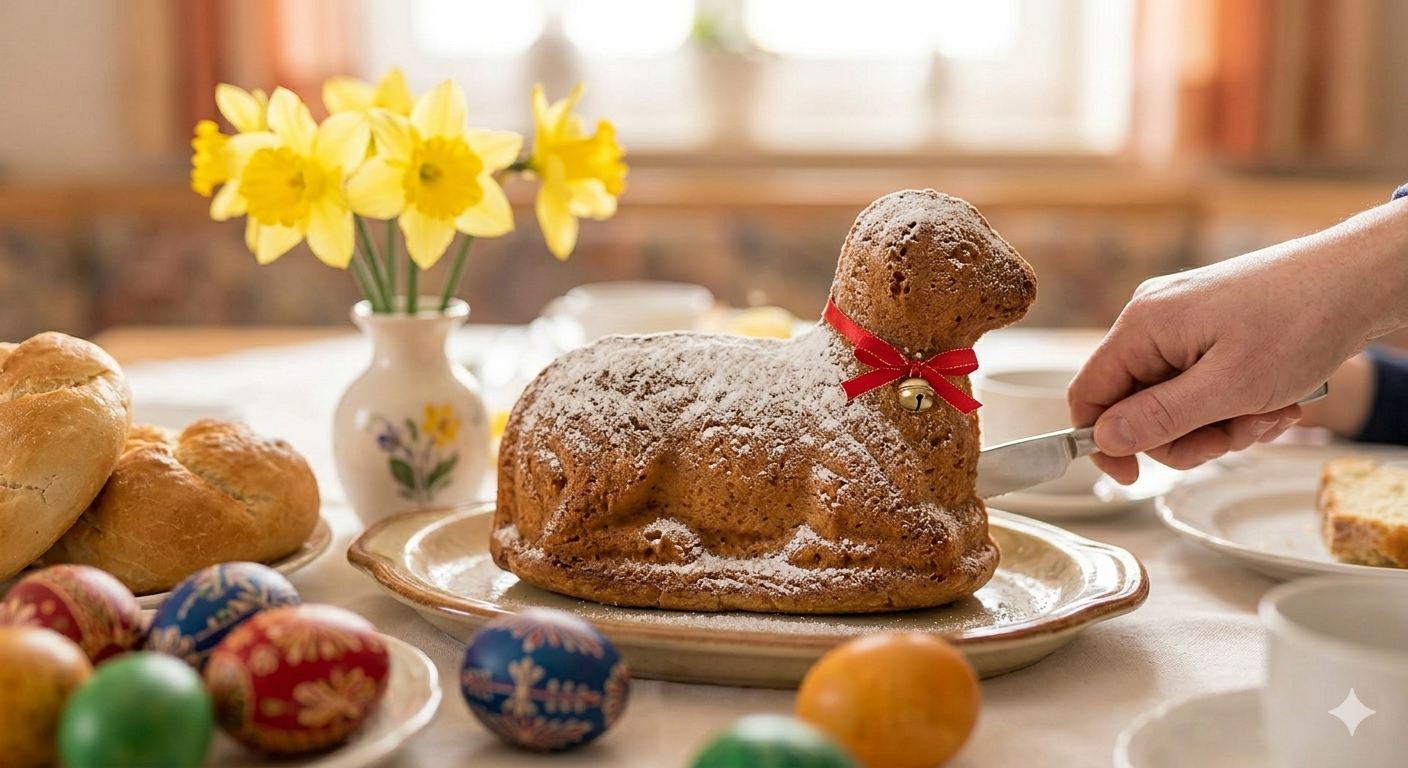
Easter in Germany is a festive time filled with traditional foods and customs. Many of these traditions are deeply symbolic, for instance:
- Lamb is a common dish, symbolizing Jesus Christ.
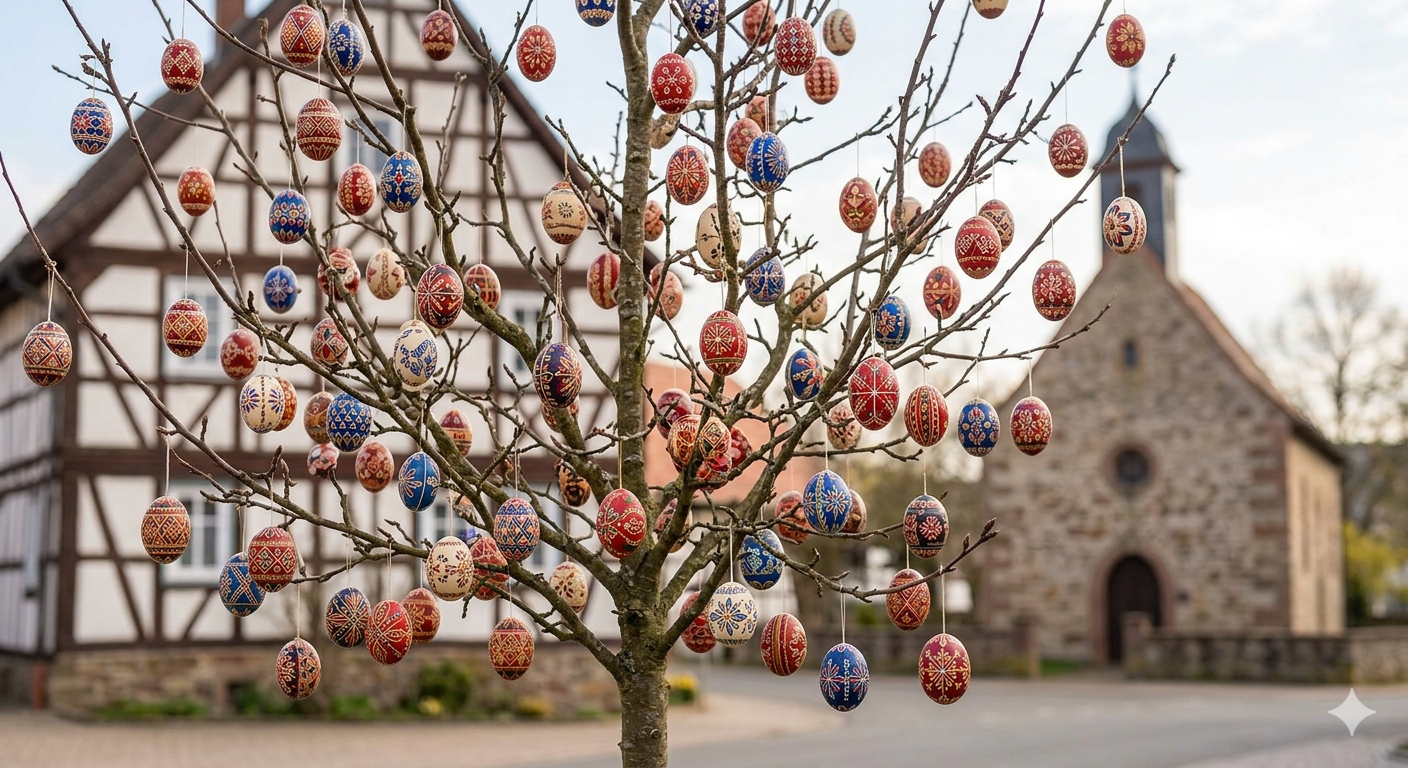
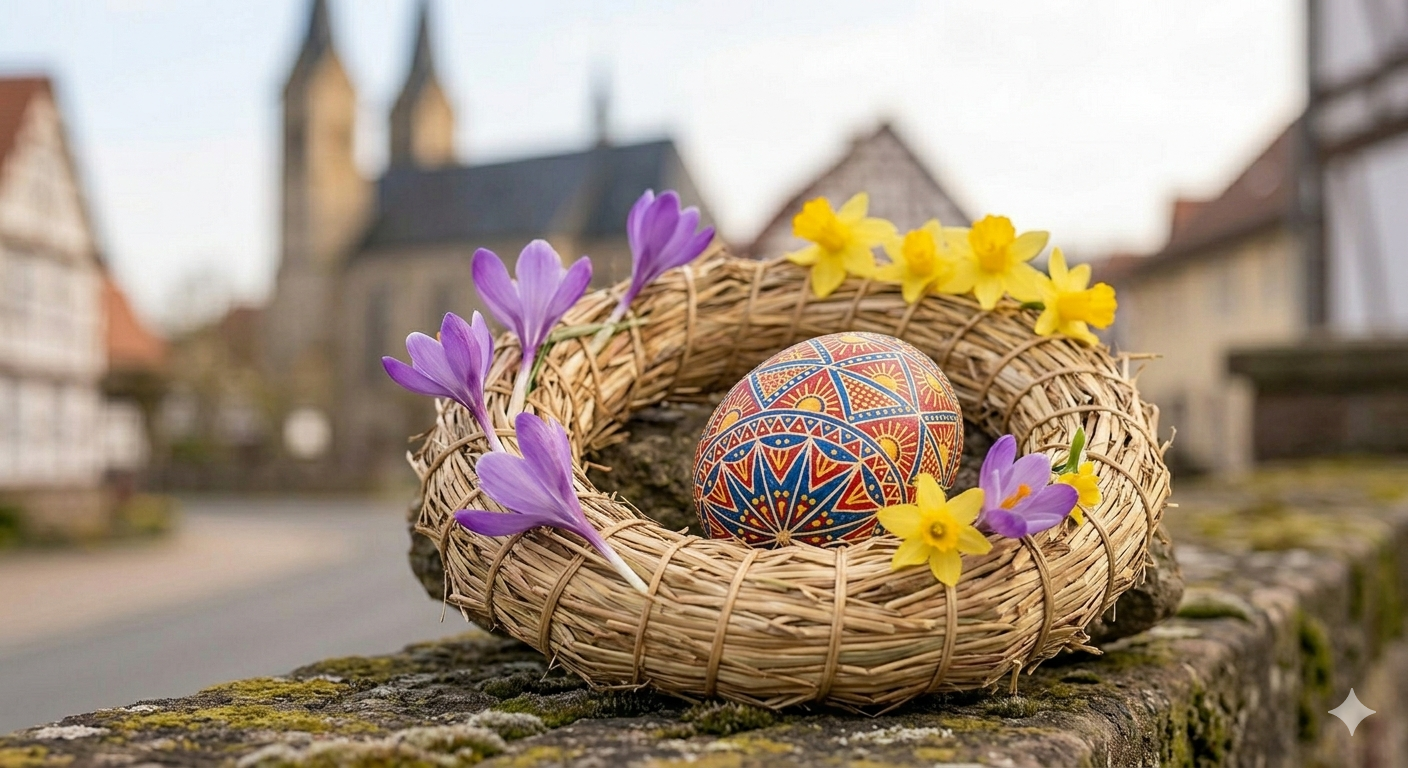
- Easter eggs, often decorated, are a prominent feature, representing new life and renewal.
Other traditional foods vary by region but might include special breads and cakes. These customs enhance the celebration, bringing families together and celebrating the arrival of spring.
The Role of Easter Eggs in German Culture
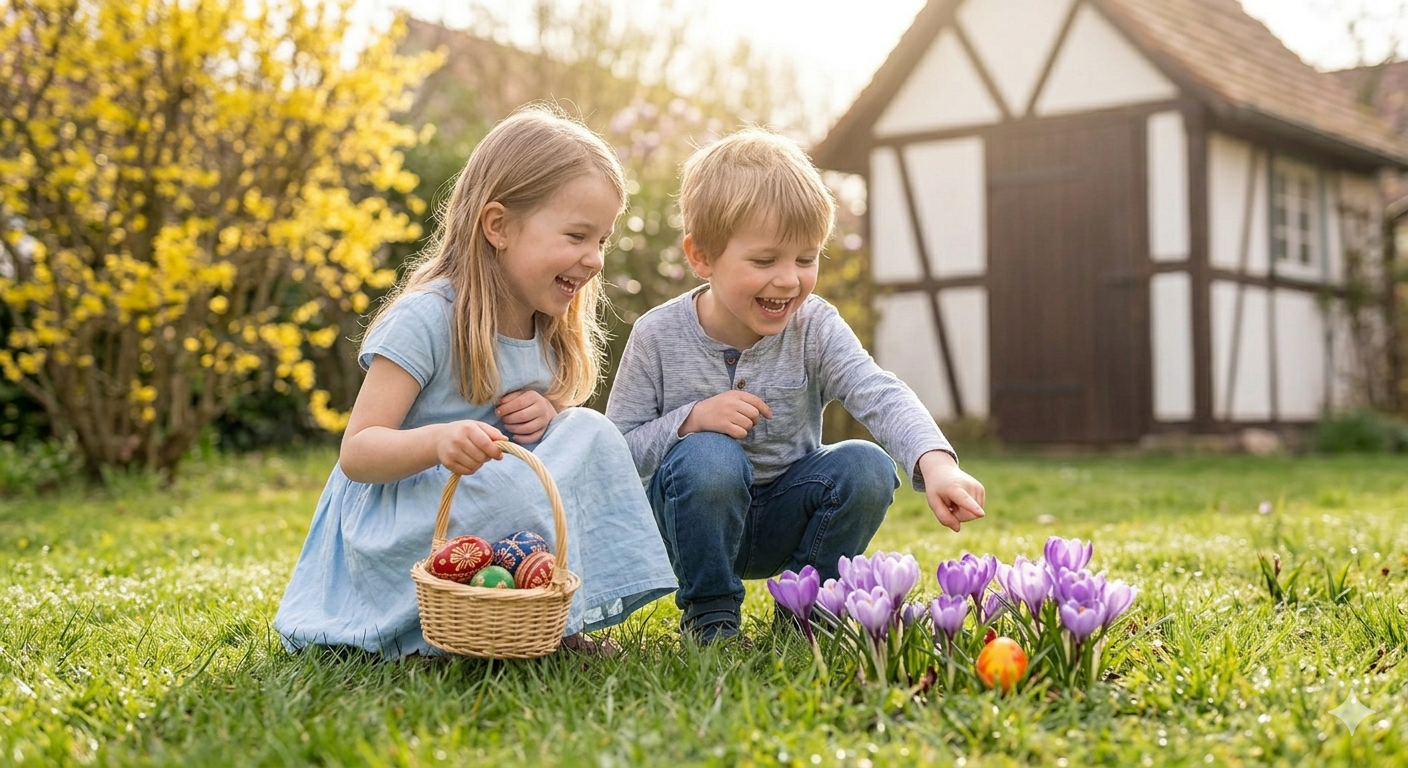
Easter eggs play a central role in German Easter traditions. Traditionally, Easter eggs are decorated and hidden for children to find on Easter Sunday. The Easter egg represents new life and resurrection, aligning with the Christian symbolism of Easter. The Easter Bunny is also a prominent figure, believed to be the one who hides the eggs. Finding the Easter egg is a symbol of renewal.
German Easter Traditions
Common Practices and Rituals
Many people in Germany celebrate Easter with a blend of religious observances and secular festivities. Celebrations often include a variety of activities:
- Attending church service on Easter Sunday
- Participating in Easter egg hunts
- Enjoying traditional meals with family
These customs reflect the Christian significance of the holiday while embracing the arrival of spring. Easter is an important holiday.
Unique Regional Variations
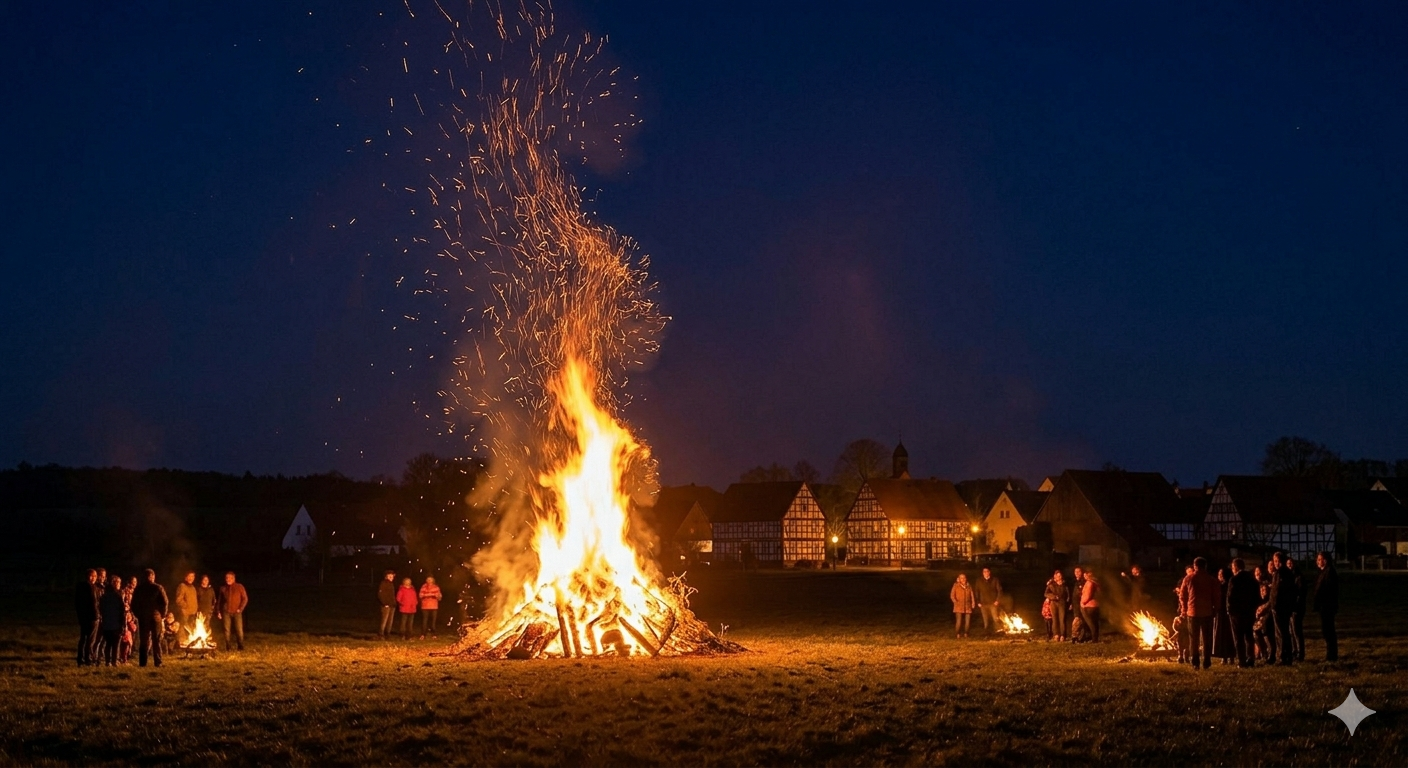
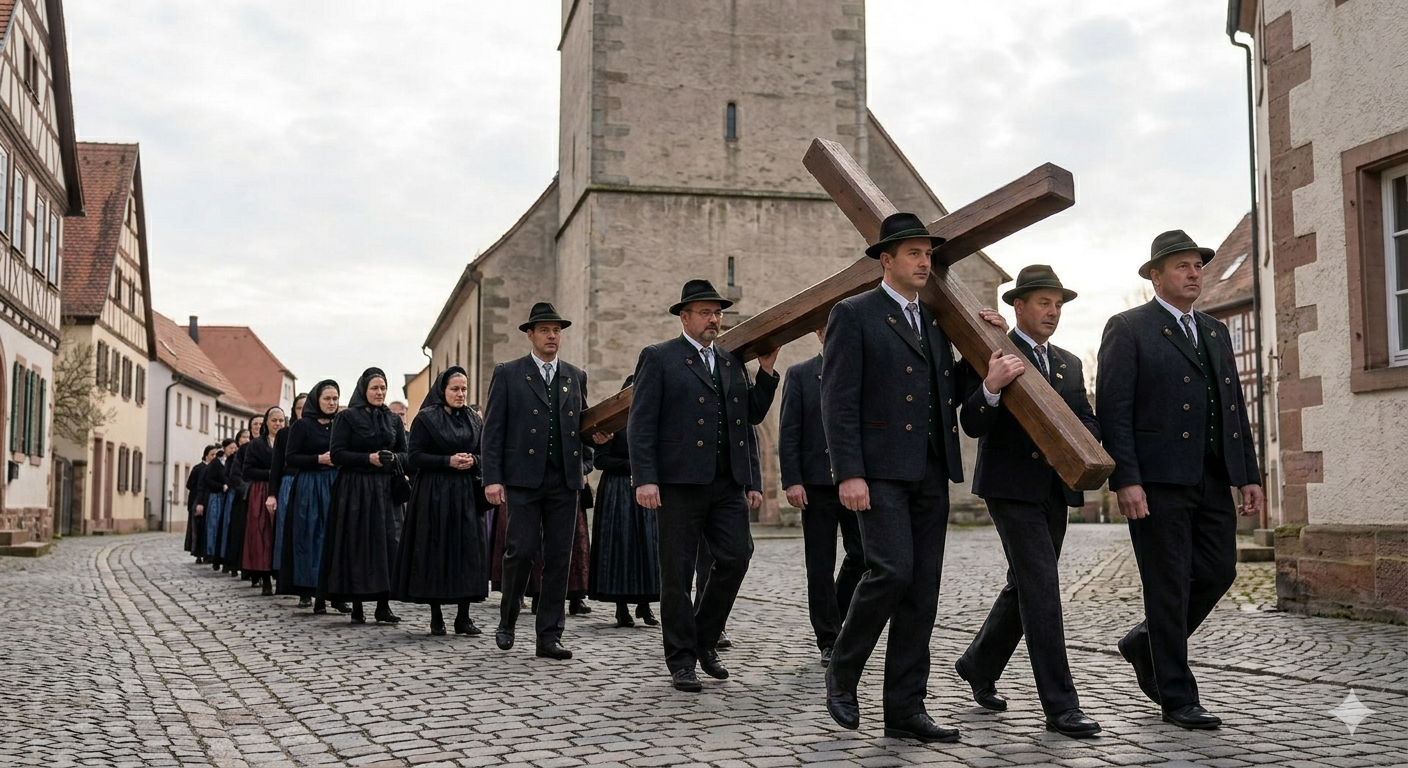
Easter in Germany features unique regional variations, reflecting the diverse cultural landscape. In Bavaria, for example, religious processions are common, while other regions may have distinct culinary traditions. These regional customs add a rich tapestry to the overall Easter celebration, showcasing the diverse heritage of Germany. Easter tradition varies in the region.
Celebrating with Family and Community
Easter is often a time for celebrating with family and community in Germany. Families gather for special meals, often including lamb as a symbol of Jesus Christ. Communities may organize Easter egg hunts or other festive events, bringing people together to celebrate the season. Easter is a good time to celebrate with loved ones.
Restrictions and Regulations on Good Friday
Tanzverbot: The Dance Ban Explained
The “Tanzverbot,” or dance ban, is a legal restriction in some German regions that prohibits public dances and loud events on Good Friday. This regulation aims to maintain a solemn atmosphere on this important religious holiday, encouraging quiet reflection. The Tanzverbot is part of the silent nature of Good Friday. Many respect the restrictions.
Other Restrictions on Activities
In addition to the Tanzverbot, other restrictions on activities may be in place on Good Friday in Germany. Shops may have limited hours, and certain public events may be canceled or postponed. These measures are intended to honor the solemnity of the day and respect the religious significance of the crucifixion of Jesus.
Understanding the Cultural Context
Understanding the cultural context of Good Friday in Germany is crucial for international students. The restrictions and solemn observances reflect the deep religious significance of the holiday for many Germans. Respecting these traditions and understanding the cultural context can enhance your experience of Easter in Germany. You should be respectful during this holiday.
Practical Tips for Experiencing Easter in Germany
How to Participate in Local Traditions
To fully experience Easter in Germany, consider participating in local traditions. You might engage in activities such as:
- Attending a church service on Easter Sunday
- Joining an Easter egg hunt
- Trying traditional German Easter foods
Engaging with these customs will provide a deeper understanding of German culture and the significance of the Easter holidays. Feel free to celebrate.
Finding Easter Markets and Events
Many towns and cities in Germany host Easter markets and events, offering a festive atmosphere and a chance to experience local traditions. These markets often feature traditional crafts, foods, and activities for all ages. Check local listings to find Easter markets and events in your area and enjoy the celebration. Enjoy your Easter weekend.
Traveling During the Easter Holiday
If you plan to travel during the Easter holiday in Germany, be aware that it is a popular time for travel. Book accommodations and transportation in advance, as prices may be higher and availability limited. Also, be mindful of the public holiday schedule, as many shops and businesses will be closed on Good Friday and Easter Monday. Plan your travel accordingly.
Common Mistakes to Avoid During Easter in Germany
Misunderstanding Local Customs
One common mistake is failing to understand that Good Friday, or Karfreitag, is a profoundly solemn day in Germany. It is a public holiday where the tradition leans towards quiet reflection. Not respecting this can lead to misunderstandings with locals, as they often observe the day with reverence.
Overlooking Good Friday’s Significance
Many people in Germany find it disrespectful if one overlooks the religious significance of Good Friday. It’s not just another day off but a time of remembrance of the crucifixion of Jesus. The Easter holiday in Germany, particularly this day, has deep roots. It is part of German tradition and the Christian calendar.
Assuming All Stores Are Open
Assuming all shops are open during the Easter weekend, particularly on Good Friday and Easter Monday, is a common error. Being a public holiday, most stores observe the Easter holiday and remain closed to allow employees to celebrate or observe the solemnity. Plan your shopping accordingly in the region.
Key Takeaways on Good Friday and Easter in Germany
Summary of Important Points
Good Friday in Germany, or Karfreitag, is a public holiday marked by the Tanzverbot (dance ban). It is a day of reflection on the crucifixion of Jesus, so the day is observed with respect. Easter Sunday brings the celebration of the Resurrection, and Easter Monday extends the Easter weekend.
Final Thoughts on Embracing German Traditions
Embracing German traditions, especially during the Easter holidays, can greatly enrich your experience in Germany. Understanding and respecting customs like the silent nature of Good Friday and participating in celebrations like Easter egg hunts can enhance your cultural immersion. The German celebration is about church, Christ, and religious observances.
Frequently Asked Questions
What is the meaning of Karfreitag?
Karfreitag, the German word for Good Friday, commemorates the crucifixion of Jesus. It is a solemn religious holiday in Germany, observed by Christians with reflection and reverence. Many people in Germany attend church service and observe the day respectfully. Good Friday in Germany is very important.
Are there any special events on Good Friday?
While Good Friday is a day of solemn remembrance, some churches may hold special church services commemorating the crucifixion of Jesus. Public entertainment is restricted due to the Tanzverbot (dance ban). Easter weekend means that the Easter Bunny is coming. The Easter egg hunt is symbolic.
What are typical Easter foods in Germany?
Typical Easter foods in Germany include lamb, symbolizing Jesus Christ, and decorated Easter eggs, representing new life. Regional variations may include special breads and cakes. The tradition of sharing these foods brings families together during the Easter celebration. Easter in Germany is special.
Is everything closed on Good Friday?
Yes, as a public holiday, most shops and businesses are closed on Good Friday in Germany. This allows many people in Germany to observe the day and participate in religious services or spend time in quiet reflection. Check for regional and Easter weekend differences.
How do Germans celebrate Easter Sunday?
Germans celebrate Easter Sunday with church service, family gatherings, and traditional Easter egg hunts. The resurrection of Christ is celebrated with joy. Easter in Germany is a time for renewal, new life, and community, with families joining religious processions in Bavaria, for example.