Navigating the German job market as an international person can be complex, but with the right resources, finding your ideal job in Germany becomes much more manageable. This comprehensive guide highlights the best job portals in Germany for 2026, offering key insights for international students, graduates, and job seekers looking to secure employment and build a career in this vibrant European nation. We will explore how these platforms serve as indispensable tools in your job search, giving you access to numerous job opportunities across sectors.
Introduction to Job Search in Germany
A job search in Germany requires a strategic approach, especially for international candidates who need to understand the nuances of the German job market. Whether you are looking for a full-time position, a part-time job, or student jobs, leveraging the right resources is paramount. This section will provide an overview of the landscape and explain how job portals can be your most valuable ally in securing a fulfilling career or internship.
Overview of Job Opportunities
Germany boasts a robust, diverse job market with a wealth of opportunities for skilled international professionals and students alike. From engineering and IT to healthcare and research, the demand for qualified candidates remains consistently high. Many companies actively seek international talent, especially those with strong language skills and specialized expertise, making the job prospects in Germany very promising for diligent job seekers.
Importance of Job Portals for International Students
For international students and graduates, job portals are absolutely essential in simplifying the job search process. These platforms aggregate a wide range of job listings, from entry-level positions to senior roles, making it easier to find relevant vacancies that match academic backgrounds and career goals. They also offer tailored search filters that can pinpoint roles requiring specific language skills or open to international applicants, helping streamline the job search.
What to Expect in 2026
As we look toward 2026, the German job market is expected to continue evolving, with an increasing emphasis on digitalization and sustainability. To further assist international candidates, job seekers should expect advanced functionalities from job portals, including:
- AI-driven matching systems
- Enhanced visa information integration
Preparing your CV and cover letter to meet German standards remains crucial, as it helps you present yourself effectively in this competitive environment.
Understanding Job Portals in Germany
To navigate the German employment landscape effectively, you need to understand what job portals are and how they work. These online platforms are the primary gateways to job opportunities in Germany, connecting job seekers with potential employers across all industries. Familiarizing yourself with their features and benefits will significantly enhance your chances of securing desirable employment, whether it’s your first job or a career advancement.
What is a job portal?
A job portal, often called a job board or job exchange, is an online platform where employers post job ads and job seekers can search for and apply to vacancies. These digital resources serve as central hubs for employment, making the job search much more efficient than traditional methods. They typically let users create profiles, upload CVs, and receive tailored job-offer notifications, streamlining the job search for both parties.
Types of Job Portals Available
The German job market offers a variety of job portals, each catering to different needs and specializations. Large, generalist platforms like StepStone and Indeed list a wide range of job opportunities across sectors, while niche portals focus on specific industries or employment types, such as student jobs or academic positions. Additionally, you can also use professional networking sites as powerful job search tools, including
These platforms connect international students and professionals directly with recruiters and potential employers.
Benefits of Using Job Portals
Job portals offer extensive benefits, particularly for international job seekers in Germany. These platforms offer:
- Unparalleled access to a wide range of job listings, including positions open to international applicants and English-speaking roles.
- Advanced search filters that let you quickly narrow vacancies by location, industry, or required language skills, speeding up your job search in Germany.
Best Job Portals in Germany for 2026
To navigate the German job market in 2026, international job seekers should be familiar with the most effective job portals. These platforms are indispensable tools for finding a job in Germany, offering a wide range of opportunities from student jobs to highly specialized roles. Using these top job portals will significantly improve your job search, making it easier to connect with potential employers and secure the job offer you want.
StepStone
StepStone remains one of Germany’s premier job portals, widely recognized for its extensive database of job advertisements across all industries. It is particularly popular among professionals and graduates seeking jobs in Germany, offering advanced search filters and personalized job alerts. For international students and job seekers, StepStone provides a user-friendly interface to browse countless job listings, making it a crucial resource in their job search.
Xing is a professional networking site that also serves as a powerful job portal, especially in the German-speaking job market. Like LinkedIn, Xing has a strong local focus, making it an excellent platform for international candidates to connect with German recruiters and companies. Many job opportunities, particularly mid- to senior-level positions, are advertised exclusively here, making it an indispensable tool for anyone seeking employment in Germany.
Indeed
Indeed is a global powerhouse among job portals, and its German iteration is equally robust, offering a vast number of job vacancies. It aggregates job listings from company career pages, other job boards, and its own direct postings, offering an in-depth look at the German job market. International job seekers will find Indeed useful for its diverse range of opportunities, from student jobs to full-time roles, which can significantly simplify their job search.
Monster
Monster is another long-standing international job portal with a strong presence in Germany, offering a diverse selection of job listings. It serves a broad range of job seekers, from those seeking entry-level positions to experienced professionals aiming for career advancement. For international candidates, Monster provides valuable resources and a vast database of job ads, making it a reliable platform for finding a job in Germany and securing a promising offer.
LinkedIn is one of the best job portals for international job seekers in Germany, serving as both a professional networking site and a direct job exchange. Its global reach means many international companies and recruiters post job opportunities specifically targeting English-speaking talent. Beyond job ads, LinkedIn lets international students build professional connections, gain insights into the German job market, and often receive direct messages about job openings.
Other Notable Job Portals
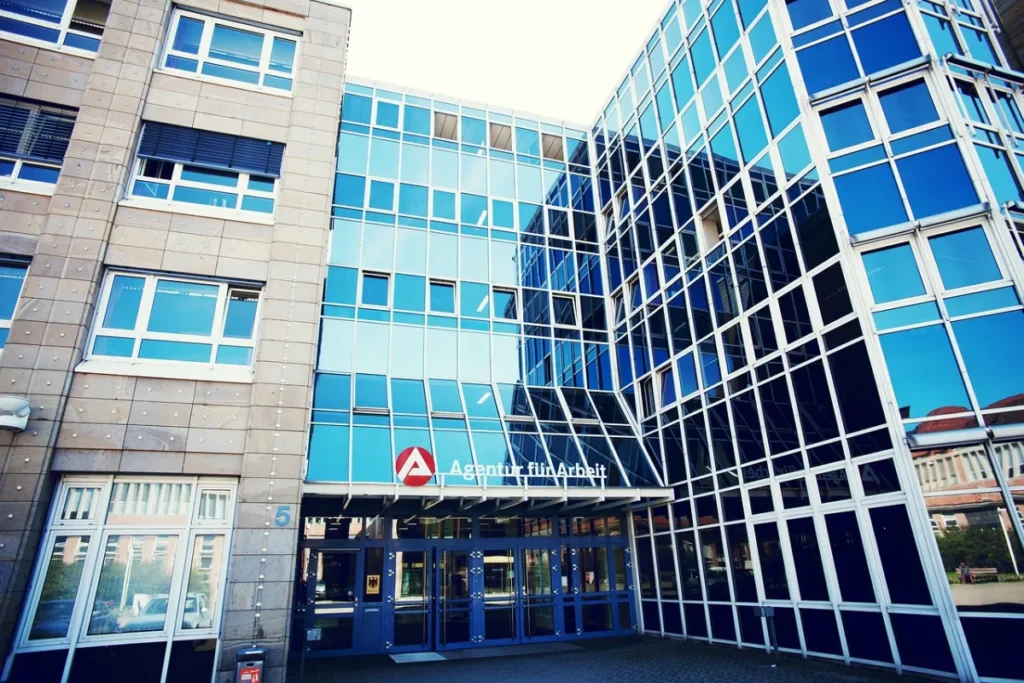
Beyond the major players, several other job portals are highly beneficial for specific segments of the German job market. “Make it in Germany” is an official government portal offering comprehensive information and job listings for international professionals, including details on visa requirements. The “Federal Employment Agency” (Bundesagentur für Arbeit) also offers an extensive job board with many opportunities. For student and part-time jobs, university career centers and specialized portals like Jobmensa are invaluable resources for international students.
How to Effectively Use Job Portals
To maximize your chances of securing a job in Germany, use job portals strategically. Simply browsing job listings is not enough; a well-prepared application and an optimized search strategy are key. This section guides international job seekers in creating an impressive CV and cover letter and optimizing their overall job search to find the best opportunities in 2026.
Creating an Impressive CV
An impressive CV is the cornerstone of any successful job search in the German job market. For international students and job seekers, this means tailoring your CV to German standards, often in a clear, concise format that highlights relevant experience, education, and language skills. Highlight any experience living or working in Germany, and ensure your CV is error-free, as recruiters pay close attention to detail, which can increase your chances of getting a job offer.
Writing a Compelling Cover Letter
A compelling cover letter is just as important as a strong CV when looking for a job in Germany. It lets you express your motivation for the specific vacancy and explain why you are the ideal candidate, especially as an international applicant. Tailor each cover letter to the job advertisement, addressing key requirements and demonstrating your understanding of the company. A well-crafted cover letter can significantly enhance your appeal to recruiters and help you find a job.
Optimizing Your Job Search
Optimizing your job search on job portals involves more than just applying to every available job advertisement. Use advanced filters on portals like StepStone and LinkedIn to narrow job opportunities by industry, location, required language skills (especially for English-speaking roles), and visa sponsorship options. Setting up job offer alerts ensures you are notified of new job vacancies immediately, giving you an edge in the competitive German job market and increasing your chances to find a job in Germany.

Finding Part-Time Jobs and Internships
Popular Part-Time Job Portals
For international students and job seekers looking for part-time or student jobs in Germany, several job portals specialize in these opportunities. Websites like Jobmensa and Jobruf are particularly popular for student jobs, offering flexible work arrangements that balance academic commitments. These portals make it easier to find a job that fits a student’s schedule, helping them gain valuable work experience and support themselves while studying in Germany. Additionally, general job portals like Indeed and LinkedIn list numerous part-time vacancies, often with filters to search specifically for these roles, making the job search more efficient.
Internship Opportunities for International Students
Internships are crucial for international students to gain practical experience and make connections within the German job market. Many companies in Germany offer internships, from short-term placements to longer, more comprehensive programs, often leading to a permanent job offer. Specialized platforms such as Praktikum.info and Absolventa are excellent resources for finding internships, while larger job portals like StepStone and LinkedIn also feature extensive internship listings. Securing an internship can significantly strengthen an international student’s CV and improve their post-graduation job prospects in Germany, while also providing invaluable exposure to German employment expectations and industry practices.
Balancing Work and Study
Balancing a part-time job or internship with academic responsibilities is a common challenge for international students in Germany. Effective time management and understanding work regulations are key to navigating this balance successfully. International students typically face restrictions on how many hours they can work (e.g., 140 full days or 280 half days per year), which they must follow strictly to maintain their student visa status. Many universities offer career counseling services that can help students find jobs that complement their studies and advise them on the legal aspects of working while studying, ensuring compliance with German employment law.
Visa and Legal Considerations for Job Seekers
Types of Work Visas in Germany
Understanding the different types of work visas is essential for international job seekers planning to work in Germany. The specific visa required depends on your nationality, qualifications, and the nature of the job offer. Common types include the EU Blue Card for highly skilled professionals, the Job Seeker Visa for those looking for a job in Germany, and the Student Visa, which permits limited part-time work. Research the exact requirements for each visa, often available on the “Make it in Germany” portal or the Federal Employment Agency website, to ensure a smooth transition into working and living in Germany.
Understanding Work Regulations for International Students
International students in Germany must follow the work regulations set out in their student visa. Generally, students from non-EU/EEA countries are permitted to work a maximum of 120 full days or 240 half days per year without needing separate approval from the Federal Employment Agency. These restrictions ensure that the primary focus remains on studies. Exceeding these limits without proper authorization can lead to serious consequences, including visa revocation. Every international student must understand these rules when looking for a part-time job or student job to ensure their stay and work in Germany remain lawful.
Common Legal Mistakes to Avoid
Germany’s employment laws can be complex for international job seekers, and several common mistakes are easy to avoid. A primary pitfall is misunderstanding visa requirements or working beyond permitted hours on a student visa without proper approval from the employment agency. Another mistake is accepting informal job offers without a formal contract, which can lead to exploitation and lack of legal protection. Always ensure your job offer is legitimate, the employer understands your visa limitations, and all agreements are in writing. Consult official sources like “Make it in Germany” or seek advice from university international offices to avoid these common legal issues when looking for a job in Germany.

Common Mistakes to Avoid in Your Job Search
Overlooking Job Portal Features
Many international job seekers miss out by not fully using the advanced features available on job portals. Beyond simple keyword searches, most job boards offer intricate filters for location, industry, language skills (especially for English-speaking roles), and even visa sponsorship options. Missing these features means missing tailored opportunities that match your profile. Using saved searches and setting up job offer alerts on platforms like StepStone and LinkedIn can streamline your job search and help you apply early to relevant vacancies, increasing your chances of finding a job in Germany.
Neglecting Networking Opportunities
Neglecting networking opportunities is a significant oversight for anyone looking for a job in Germany. While job portals are invaluable, many job opportunities, especially for senior roles or in niche industries, are filled through professional networks. Platforms like Xing and LinkedIn are not just job boards; they are powerful networking tools. Attending industry events and career fairs, and connecting with recruiters and professionals, can open doors to unadvertised vacancies and direct introductions, which can lead to a job offer and a faster path to employment in Germany.
Submitting Generic Applications
One of the most common and detrimental mistakes international job seekers make is submitting generic CVs and cover letters. German recruiters highly value tailored applications that show genuine interest in the specific job and company. A generic application signals a lack of effort and can quickly lead to rejection. Invest time in customizing your CV and cover letter for each job advertisement, highlighting relevant skills and experiences, and explicitly stating why you are the ideal candidate for that particular role. This personalized approach significantly increases your chances of securing an interview and ultimately, a job in Germany.
FAQs About Job Search in Germany
What are the best job portals for international students?
For international students looking for a job in Germany, several job portals stand out as exceptionally useful. Platforms like StepStone and Indeed offer a wide range of job listings across industries, including many student and part-time positions. Additionally, LinkedIn is invaluable for both finding English-speaking job opportunities and networking with recruiters. For those seeking information on work regulations and visa types, “Make it in Germany” and the Federal Employment Agency’s job board are official, highly reliable resources that support a comprehensive job search in Germany.
How can I find English-speaking jobs?
Finding English-speaking job opportunities in the German job market is a common priority for many international job seekers. LinkedIn is perhaps the most effective job portal for this, as many international companies and startups advertise roles here that do not require German language skills. Other general job portals like Indeed and StepStone also let you filter listings by language, making it easier to find relevant vacancies. Specialized job boards focused on international talent or industries with high demand for English speakers can also be fruitful for finding a job in Germany.
What documents do I need for job applications?
When applying for a job in Germany, international job seekers typically need a comprehensive set of documents to present a professional application. Essential documents include a well-structured CV (Lebenslauf) and a compelling cover letter (Anschreiben), both tailored to German standards. You will also often need academic transcripts, diplomas, and relevant certificates (Arbeitszeugnisse or reference letters from previous employers). For international applicants, proof of valid visa status or eligibility to work in Germany, often obtained through the employment agency or “Make it in Germany” portal, is crucial to demonstrate your legal capacity to accept a job offer.
How can I improve my chances of getting hired?
To significantly improve your chances of getting hired in the competitive German job market, international job seekers should focus on several key strategies. Firstly, ensure your CV and cover letter are meticulously tailored to each job advertisement, highlighting relevant skills and experiences. Actively network on platforms like LinkedIn and Xing to connect with recruiters and industry professionals. Furthermore, improving your German language skills, even for English-speaking roles, can be a major advantage. Demonstrating an understanding of German work culture and being proactive in your job search, including setting up job offer alerts on job portals, will greatly enhance your prospects of finding a job in Germany.
Conclusion and Next Steps
Recap of Key Points
In summary, navigating the German job market as an international student or job seeker in 2026 requires a strategic and informed approach. We highlighted the best job portals, StepStone, Xing, Indeed, Monster, and LinkedIn, which are indispensable tools for finding diverse opportunities, from student jobs to full-time roles. Understanding visa regulations, crafting an impressive CV and cover letter, and networking actively are crucial steps to securing a job offer. Avoiding common mistakes and using resources like “Make it in Germany” can streamline your job search and help you find a job in Germany.
Actionable Steps for Job Seekers
For international job seekers ready to take the next steps in their job search in Germany, being proactive is vital. Start by refining your CV and cover letter, ensuring they meet German standards and match specific job advertisements on your chosen job portals. Set up personalized job offer alerts to stay updated on new job vacancies. Actively network professionally, particularly on LinkedIn, and thoroughly research visa and work permit requirements through official sources like the Federal Employment Agency. Consistent effort in your job search will significantly increase your chances of finding a job in Germany.
Resources for Further Assistance
Beyond the primary job portals, a wealth of resources is available to help international job seekers. The “Make it in Germany” portal offers comprehensive information on living and working in Germany, including details on visa applications and legal requirements. University career centers provide tailored advice for international students on finding student jobs and internships. The Federal Employment Agency also offers support and a job exchange platform. Additionally, numerous online communities and forums for international professionals in Germany can offer valuable insights and networking opportunities, making your job search in Germany more supported and successful.
Official sources: Make it in Germany · Federal Employment Agency