Navigating a new country as an international student comes with its unique set of challenges, and staying connected is undoubtedly one of the most pressing. This comprehensive guide will help you choose the best SIM card in Germany for 2026 so you can call home, access online resources, and get around easily. We’ll explore the options, from prepaid SIM cards to mobile contracts, and highlight the benefits of major providers like O2, Telekom, and Vodafone to help you make an informed decision when moving to Germany.
Understanding SIM Cards in Germany
For any international student or expat moving to Germany, comprehending the local mobile network landscape is crucial. A German SIM card isn’t just for calls and texts; it’s your gateway to essential services, staying in touch with family, and navigating daily life. Understanding the different types and providers will help you choose the best option for your communication needs and ensure reliable network coverage from day one.
What is a SIM card?
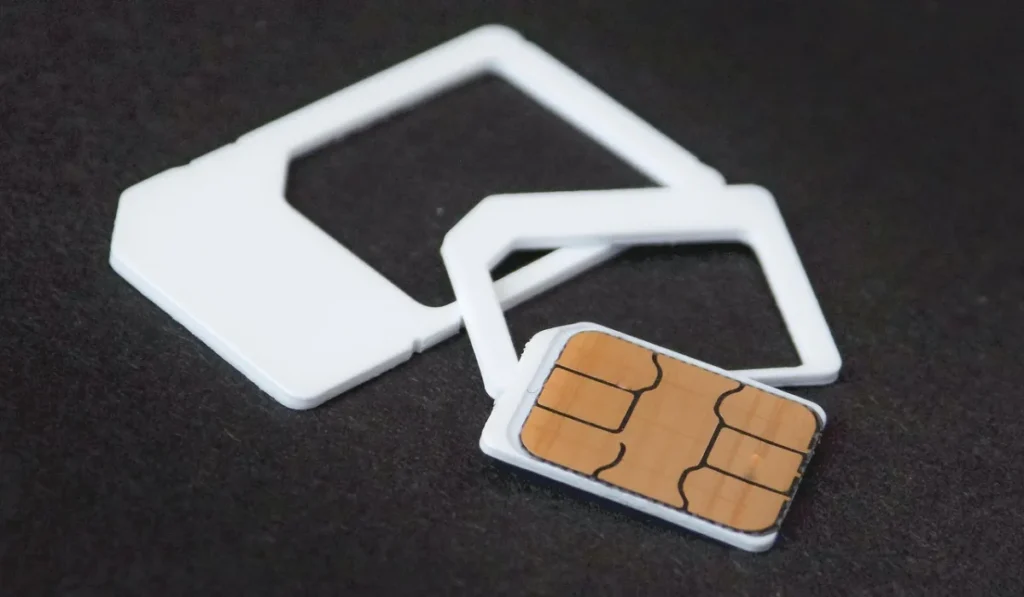
A SIM card, or Subscriber Identity Module card, is a small, smart card that securely stores your international mobile phone number and authenticates you on a mobile network. Inserting a physical SIM card into your mobile phone lets you access services like calls, texts, and mobile data through a specific provider. In Germany, getting a German SIM card is fundamental for obtaining a local German phone number, which is often required for various administrative tasks, besides just staying connected.
Types of SIM Cards Available
| SIM Card Type | Key Features |
| Prepaid SIM cards | They offer flexibility, letting you top up credit as needed, making them ideal for those who don’t want to commit to long-term contracts. |
| Mobile Phone Contracts | They typically offer more data and unlimited calls and texts for a fixed monthly fee; activation usually requires a German address and occasionally a bank account. |
Why International Students Need a German SIM Card
Acquiring a German SIM card is paramount for international students living in Germany. It provides a local German phone number, which is essential for opening a bank account, registering with the authorities, and even applying for part-time jobs. Using a local SIM card also avoids exorbitant roaming charges from your home country’s SIM, making mobile data and communication more affordable and reliable for daily needs.
Best SIM Cards in Germany for 2026
Choosing the best SIM card in Germany for 2026 is a critical decision for international students, as it directly impacts your ability to stay connected and manage daily life. Major players like Telekom, Vodafone, and O2 dominate Germany’s mobile network landscape, each offering various prepaid and contract options. Understanding their strengths in network coverage and data plans is key to finding a German SIM that aligns with your communication needs and budget while you live in Germany.
Overview of Top Picks
| Provider | Key Feature |
|---|---|
| Telekom | Often boasts Germany’s best network, providing reliable service even in rural areas. |
| Vodafone | Follows closely with strong performance. |
| O2 | Typically offers more affordable plans, though its coverage can be slightly less extensive. |
Best Prepaid SIM Cards for International Students
Prepaid SIM cards are often the best options for international students, offering flexibility without the commitment of a long-term mobile contract. Providers like Aldi Talk and Lidl Connect, which operate on the Telekom and Vodafone networks, respectively, offer excellent value with affordable prepaid plans and generous mobile data allowances. These prepaid SIM cards in Germany are easy to buy and activate, require minimal documentation, and are a hassle-free choice for those moving to Germany.
Best Internet SIM Cards in Germany
For students who mainly need mobile data for studies, communication, and entertainment, dedicated internet SIM cards in Germany or data-heavy prepaid plans are ideal. Providers like Congstar (a Telekom subsidiary) and various MVNOs on the Vodafone and O2 networks offer attractive packages with substantial mobile data, sometimes even unlimited data options. These plans ensure reliable internet access for video calls, streaming, and online research without worrying about exceeding data limits or dealing with poor network coverage.
How to Get a SIM Card in Germany
Getting a German SIM card is straightforward, but understanding the requirements and steps is essential for international students. Whether you choose a physical SIM card or an eSIM, knowing the required documents and activation steps will ensure a smooth setup. This section explains how to get a SIM card in Germany, from purchase to activation, so you can connect to the mobile network right away.
Buying a German SIM Card: Step-by-Step Guide
To buy a SIM card in Germany, first choose between a prepaid SIM and a mobile contract based on your expected usage for mobile data, calls, and texts. For prepaid options, you’ll typically need your passport for identification during purchase, as German law requires it to activate a SIM. Once you’ve selected a provider and plan, the vendor will guide you through registration, ensuring your new German phone number is properly linked to your identity.
Where to Buy: Retail Locations vs. Online
| Purchase Method | Details & Benefits |
| Retail Locations | You can visit the main stores of providers like Telekom, Vodafone, and O2. Supermarkets such as Aldi and Lidl also offer their prepaid brands (Aldi Talk, Lidl Connect). Buying in person provides immediate assistance and often quicker activation. |
| Online Purchasing | Many providers offer this option, which is convenient for international students to arrange a German SIM before arriving. Online identity verification will be required. |
Activating Your German Prepaid SIM
Activating your German prepaid SIM is a crucial step after purchase. By law, all SIM cards in Germany must be registered and verified using a valid ID, such as your passport. This process, known as “Postident” or “Videoident,” can often be done online via a video call with an agent or in person at a post office. Once your identity is verified, your prepaid SIM card will activate, giving you access to the German mobile network for calls, texts, and mobile data.
Mobile Network Operators in Germany
Overview of Major Mobile Operators
Three primary operators—Telekom, Vodafone, and O2—dominate Germany’s mobile network landscape. Each provider offers a range of services, from prepaid SIM cards to comprehensive mobile phone contracts, to meet diverse needs, including those of international students. Telekom, known for its extensive and reliable network coverage, often comes at a premium price. Vodafone provides strong competition with solid network quality, particularly in urban areas. O2 typically offers more budget-friendly prepaid plans and mobile contract options, though its network coverage can be less consistent in very rural regions.
Network Coverage Comparison
When choosing the best SIM card in Germany, network coverage is critical, especially for international students who may travel across regions. Telekom consistently ranks as Germany’s best network, offering superior 5G and 4G LTE coverage nationwide. Vodafone follows with strong network performance, often matching Telekom in larger cities and along major transport routes. O2 has made significant strides in improving its network coverage, particularly in urban centers, making it a viable option for those who live primarily in cities, but it may have weaker spots in less populated areas than the other two.
Understanding Mobile Contracts vs. Prepaid Options
International students have two primary choices for their German SIM card: mobile contracts or prepaid options. Mobile contracts typically offer more data, unlimited calls and texts, and often include a new phone, but they require a longer commitment, usually 12 to 24 months, plus a German address and bank account. Prepaid SIM cards, on the other hand, offer greater flexibility, allowing students to top up credit as needed without a long-term commitment. These prepaid SIM cards in Germany are ideal for those who are just moving to Germany, as they are easier to get and activate with minimal documentation, such as a passport.
Best Practices for Using a SIM Card in Germany
Managing Your Data Usage
Efficiently managing your mobile data usage is essential for international students, particularly with prepaid SIM cards in Germany, to avoid unexpected costs or running out of data. Many German SIM plans, prepaid or contract, offer generous data allowances, but it’s wise to monitor your usage through your provider’s app or online portal. Connecting to Wi-Fi whenever available, downloading content offline, and adjusting video quality settings can significantly reduce data consumption. This ensures you always have enough mobile data for essential communication and studies without frequently topping up your prepaid SIM.
Roaming Options for International Students
For international students studying in Germany, understanding roaming options is crucial when traveling within or outside the EU. Thanks to EU regulations, your German SIM card lets you roam within the European Union at no extra cost, using your regular mobile data, calls, and texts allowance. However, roaming outside the EU can be expensive. For trips outside the EU, consider buying a local SIM card in your destination country or exploring international roaming packages from your German mobile network operator to avoid high fees. This is vital to stay connected without breaking the bank.
Common Mistakes When Getting a SIM Card
When international students get a SIM card in Germany, they can avoid several common mistakes. One frequent error is not registering the SIM card properly; by law, all SIM cards must be activated with a valid ID, like a passport, a process often completed via Postident or Videoident. Another mistake is choosing a long-term mobile contract without fully understanding the terms or whether it aligns with the length of your stay. Additionally, students sometimes overlook network coverage in their specific area of living in Germany, only to find their chosen prepaid SIM or contract provides poor service. Always check coverage maps and read contract terms carefully to choose the best option.
eSIM: The Future of Mobile Connectivity
What is an eSIM?
An eSIM, or embedded Subscriber Identity Module, is a digital version of a traditional physical SIM card that is built directly into your mobile phone or other compatible device. Unlike a traditional physical SIM card that you insert, an eSIM is activated remotely by downloading a profile from your mobile network operator. This innovative technology offers significant advantages for international students and expats in Germany, streamlining the process of getting a German SIM card without needing to physically swap cards or visit a store, and providing a flexible alternative to traditional prepaid SIM cards.
Advantages of Using an eSIM in Germany
For international students, using an eSIM in Germany offers several compelling advantages, making it one of the best options for seamless connectivity. Firstly, it eliminates the need to buy a physical SIM card, which is particularly convenient when moving to Germany. You can activate an eSIM remotely, often before you arrive, and easily switch between German mobile plans or international carriers without swapping a physical SIM. Many providers, including Telekom, Vodafone, and O2, now support eSIMs, letting you enjoy their best network coverage and mobile data plans with more flexibility.
How to Activate an eSIM
Activating an eSIM in Germany is straightforward and often more convenient than using a physical SIM card. After purchasing an eSIM plan from a German mobile network operator like Telekom, Vodafone, or O2, you will typically receive a QR code via email or within their app. Scanning this QR code with your mobile phone starts downloading the eSIM profile. Your device will then guide you through the final steps to activate and connect to the German mobile network. Remember, you’ll still need to complete identity verification, often online, much like with a prepaid SIM card, to comply with German regulations.
Conclusion and Key Takeaways
Summary of Best SIM Card Options
For international students moving to Germany, choosing the best SIM card in 2026 means weighing flexibility, cost, and network coverage. Prepaid SIM cards from providers like Aldi Talk and Lidl Connect offer excellent value and easy activation, making them ideal for getting set up. For the best network coverage, Telekom and Vodafone remain top contenders, while O2 offers more budget-friendly prepaid plans and mobile contracts. The rise of eSIMs also offers a convenient, flexible option for modern smartphones, making it easier to switch between German mobile plans.
Final Recommendations for International Students
Our final recommendations for international students getting a SIM card in Germany in 2026 focus on practicality and value. Start with a prepaid SIM card for immediate connectivity upon arrival; brands like Aldi Talk or Lidl Connect offer great data packages without long-term commitments. Once you have a German address and bank account, you might consider a mobile contract from Telekom or Vodafone for better network coverage and potentially unlimited data, especially if you plan a longer stay. Always verify network coverage in your specific area and consider an eSIM if your phone supports it for maximum flexibility.
Next Steps for Getting Connected in Germany
To connect quickly after moving to Germany, the next steps are clear. First, decide whether you prefer a prepaid SIM card or an eSIM, based on your device’s compatibility and your need for immediate flexibility. Research the network coverage of major providers like Telekom, Vodafone, and O2 in your city of study. Have your passport ready for the mandatory identity verification when you activate your German SIM. Whether you buy a SIM card online or at a post office, planning ahead will help you secure the best options for your mobile network needs.
Official sources: DAAD · Study in Germany