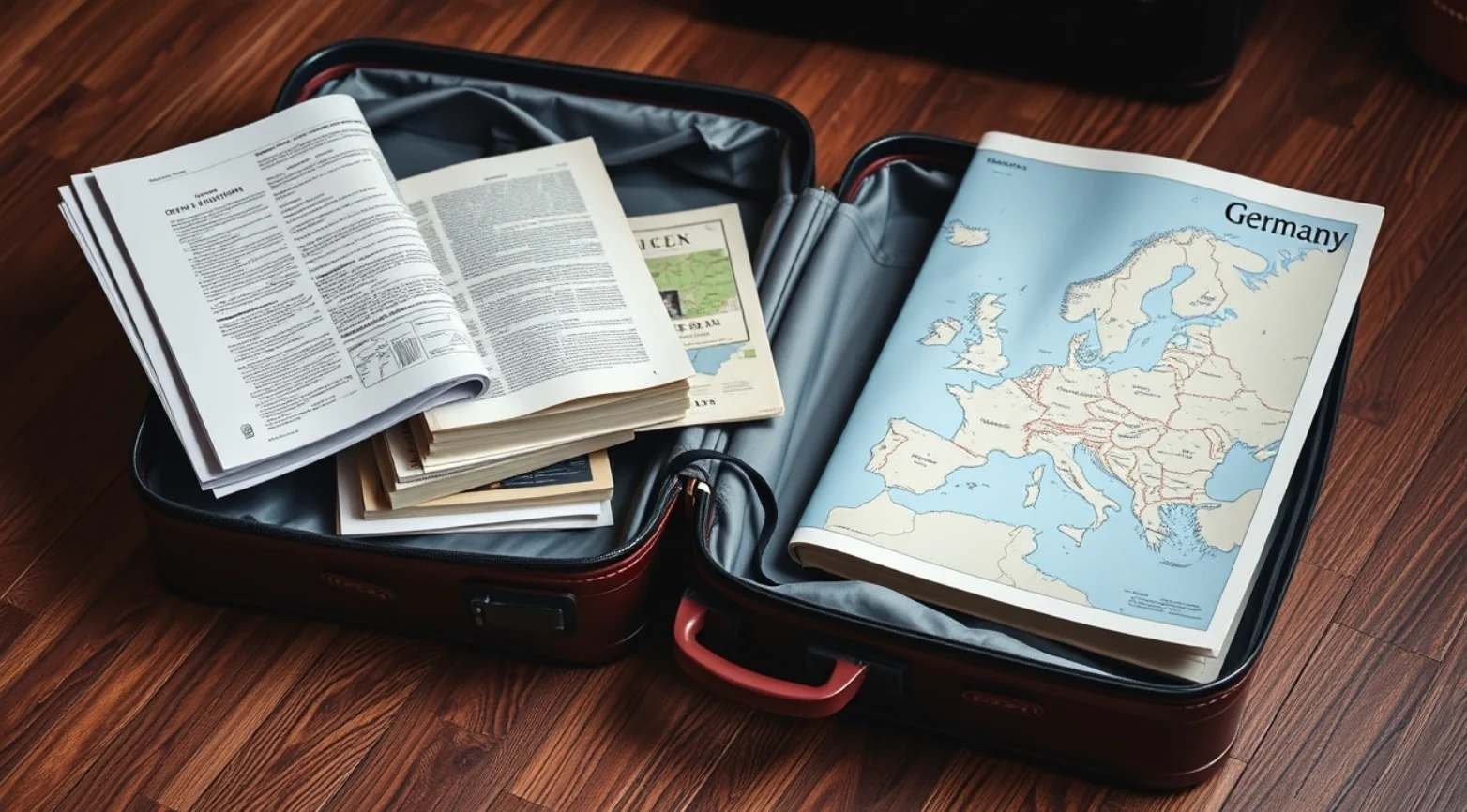
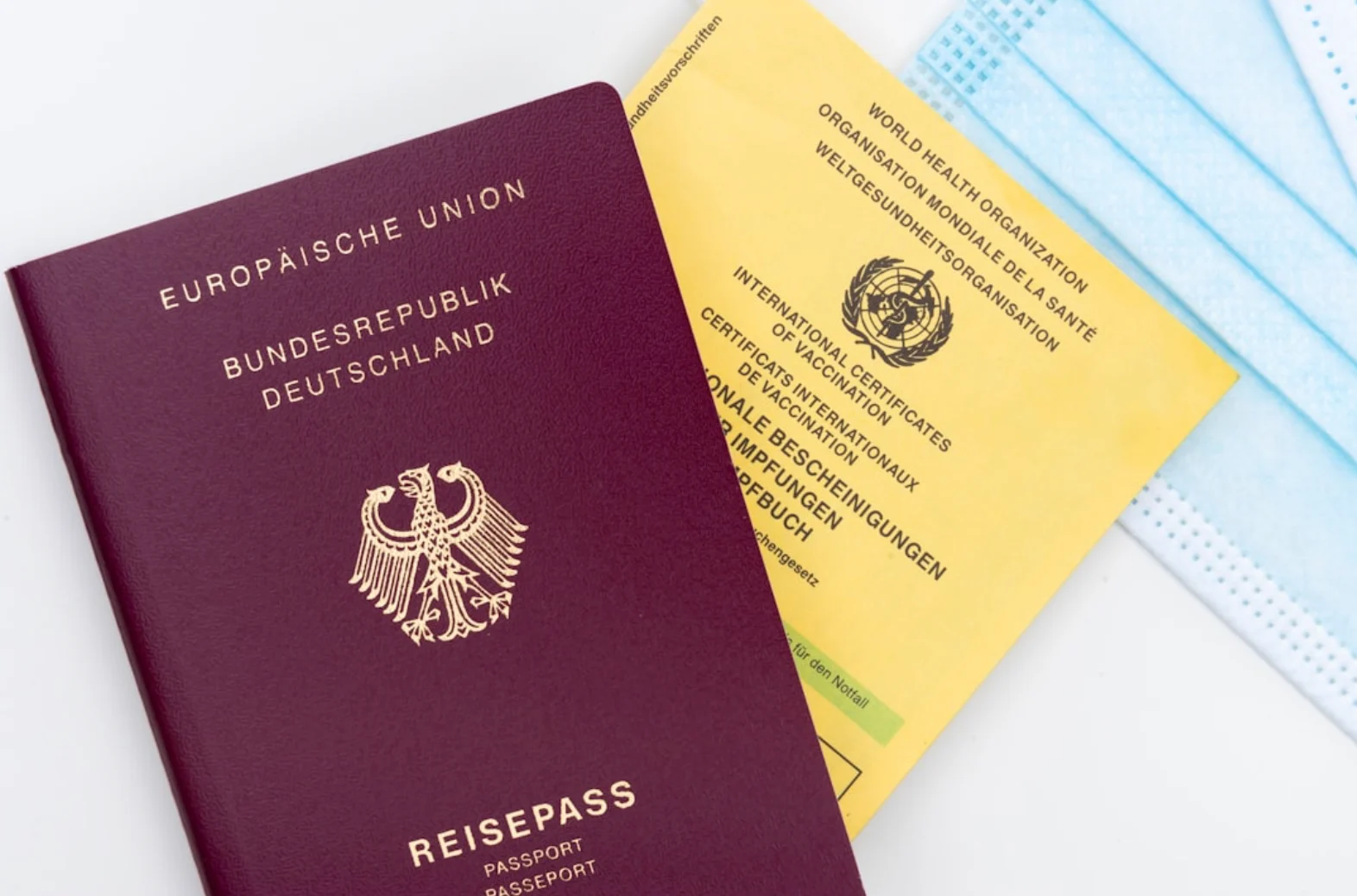
Moving to Germany for study or work requires a clear understanding of the necessary legal documents, primarily residence permits and visas. This guide clarifies the distinctions and processes for obtaining these authorizations, helping ensure a smooth transition to living in Germany.

Understanding Residence Permits and Visas
Navigating the legal requirements for staying in Germany can seem complex, but knowing the basic differences between a residence permit and a visa is the first crucial step. These documents are essential for foreigners intending to study in Germany, work in Germany, or simply establish residence in Germany for an extended period.
What is a residence permit?
A residence permit is an official authorization that allows a foreigner to live in Germany for a specific duration or purpose. Unlike a short-term entry visa, a residence permit allows a longer stay in Germany and is typically issued for purposes such as study, employment, or family reunification. You will need a residence permit if you plan to stay beyond 90 days. This crucial document, often issued as a temporary residence permit or a more permanent settlement permit, dictates your rights and obligations while living in Germany. It’s an essential authorization from the German authorities, usually obtained after entering Germany with an appropriate visa.
Types of Visas for Foreigners in Germany
For foreigners planning to move to Germany, various visa types exist, each serving a specific purpose, such as a student visa for those who want to study in Germany or an employment visa for individuals seeking work. The Schengen visa, for instance, permits short stays within the Schengen area for up to 90 days, while national visas are required for longer stays and allow you to apply for a residence permit once you arrive. It is important to determine which visa type you need, as it will dictate the application process and the initial requirements for entering Germany. The German mission in your home country, such as a German embassy, is the primary point of contact for applying for a visa.
How Residence Permits and Visas Differ
While both a visa and a residence permit authorize a foreigner’s stay in Germany, they serve different primary functions. A visa, typically applied for at a German embassy or consulate in your home country, generally grants initial entry into Germany for a specific purpose and duration. A residence permit, by contrast, is usually obtained after entering Germany and allows a longer-term stay and residence. Think of it this way: a visa gets you into the country, while a residence permit lets you legally live and pursue activities like studying or working for an extended period. The Federal Foreign Office and the Ausländerbehörde, or immigration office, are key authorities in this process.
Applying for a Visa to Study in Germany
If your goal is to pursue higher education in Germany, securing the correct visa is paramount. Applying for a visa to study in Germany involves several steps and specific documents; follow them carefully to pave your way to a world-class education.
Do You Need a Visa to Study in Germany?
Whether you need a visa to study in Germany largely depends on your nationality. Citizens of EU/EEA countries and a few select others do not need a visa to enter Germany or to apply for a residence permit for the purpose of studying. However, most non-EU nationals, particularly those from the United States, will need a national visa to enter Germany before they can obtain a residence permit. Verify the specific visa requirements for your country of origin on the Federal Foreign Office website or through your local German embassy. This initial step is vital to avoid any complications when entering Germany and planning your stay.
Steps to Apply for a Student Visa
Applying for a student visa to study in Germany follows a structured process that starts well before your intended departure. First, gather the required documents, including proof of admission to a German university, proof of sufficient funds to cover living expenses, and health insurance. Next, schedule an appointment at the German embassy or consulate in your home country to submit your application. Prepare for an interview, and ensure all forms are completed accurately. Processing times vary, so apply several months before your planned move to Germany.
Documentation Required for Visa Application
To successfully apply for a visa to study in Germany, you will need a comprehensive set of documents. This typically includes a valid passport, proof of admission from a recognized German higher education institution, evidence of sufficient financial means to cover your living expenses (often demonstrated through a blocked account or a scholarship), and proof of health insurance. You will also need passport-sized photos, a completed visa application form, and possibly a motivational letter or proof of your previous academic qualifications. Always check the specific requirements outlined by the German embassy, as these can sometimes vary.
Residence Permits for Employment in Germany
For many Americans, working in Germany is appealing, offering unique career opportunities and a chance to experience a different culture. However, to work legally in Germany, you’ll need the appropriate residence permit. This section will guide you through the types of permits available, the eligibility criteria, and important considerations for those looking to work in Germany. Understanding these requirements is crucial to successfully moving to Germany for professional reasons.
Types of Residence Permits for Employment
When planning to work in Germany, several residence permit types are available, each designed for specific professional circumstances. The most common are the general residence permit for employment, which requires a recognized qualification and a job offer, and the EU Blue Card. The EU Blue Card is a special type of residence permit designed to attract highly skilled workers from outside the EU by offering a fast-track process and various benefits. Other specialized permits exist for researchers, freelancers, or those seeking vocational training. Your choice of residence permit will depend on your qualifications and the nature of your employment in Germany.
Eligibility Criteria for Employment-based Residence Permits
To obtain an employment residence permit in Germany, you must meet specific eligibility criteria. For the general employment permit, you typically need a recognized German or equivalent foreign qualification, proof of a concrete job offer from a German employer, and often a minimum salary threshold. For the EU Blue Card, the requirements are even stricter, requiring a university degree and a higher minimum annual gross salary. The immigration office, or Ausländerbehörde, will assess your application against these criteria, ensuring your skills are in demand and that your employment in Germany will benefit the economy. These regulations are subject to change, so always check the latest requirements on the Federal Foreign Office website or with a German mission.
Self-Employment and Residence Permits
For entrepreneurial spirits looking to work for themselves in Germany, a specific residence permit applies. Unlike permits for employed individuals, the self-employment residence permit requires you to show that your business venture has economic interest or meets a regional need in Germany and is likely to have a positive impact on the German economy. You’ll need to submit a comprehensive business plan, proof of sufficient financial resources to fund your business and cover living expenses, and evidence of relevant professional experience. This residence permit is often issued initially as a temporary residence permit and may be extended if your business proves successful.

Important Considerations for Foreigners
Moving to Germany as a foreigner involves more than just getting the right visa or residence permit; it also means navigating administrative procedures and understanding your long-term prospects. This section covers key aspects every American should know, from understanding German law to registering your address and exploring paths to permanent residency. These insights will help ensure a smoother transition to life in Germany.
Understanding the German Residence Act
The German Residence Act, or Aufenthaltsgesetz, is the fundamental legal framework governing entry, stay, and residence in Germany for all foreigners. It outlines the various types of residence permits, including temporary residence permits and settlement permits (permanent residence), and the conditions for obtaining them. Understanding this act is crucial because it dictates your rights and obligations while living in Germany. It defines who can obtain a residence permit to study, work, or reunite with family and the requirements you must meet to stay in Germany legally. Understanding its core principles will demystify many aspects of your legal status.
Registration Office: Your Point of Contact
Once you enter Germany and obtain a residence permit, one of your first and most critical administrative tasks will be to register your address at the local registration office (Bürgeramt). This process, known as “Anmeldung,” is mandatory for anyone planning to stay in Germany for more than three months. Failing to register can lead to fines and complications with other official procedures, such as opening a bank account or signing up for utilities. The registration office will issue a confirmation of registration (Meldebescheinigung), an essential document for future interactions with German authorities and to prove your residence in Germany.
Permanent Residence: What You Need to Know
After living in Germany for a certain period with a valid temporary residence permit, many foreigners aspire to obtain a permanent residence, also known as a settlement permit (Niederlassungserlaubnis). This permit offers significant advantages, including the right to live, work, and study in Germany without restrictions. Generally, you can apply for a settlement permit after five years of continuous legal residence, provided you have sufficient German language skills, proof of a secure livelihood, and have paid into the German pension system. Highly skilled workers with an EU Blue Card may be eligible for a settlement permit in as little as 21 or 33 months, depending on their German language proficiency.
Cost and Duration of Visa and Permit Applications
Application Fees and Associated Costs
When you plan to apply for a visa or residence permit to stay in Germany, budget for the associated fees. The fee for a national visa, which you’ll need for longer stays like studying or working, typically ranges from €75 to €100. You usually pay this fee in your local currency at the German embassy or consulate when you submit your application. Once you arrive and need to apply for a residence permit at the local immigration office (Ausländerbehörde), you will pay an additional fee, usually around €100, for the initial issuance of a temporary residence permit. For an EU Blue Card, the fees might be slightly higher. Always check the official Federal Foreign Office website or your local immigration office for the most current fee schedule, as fees can change.
Timeline for Visa and Residence Permit Processing
Understanding the timeline for your visa and residence permit applications is crucial for planning your move to Germany. For a national visa to study or work in Germany, processing times vary widely, often taking anywhere from a few weeks to several months, especially during peak seasons. It’s highly recommended to apply for a visa at the German mission (embassy or consulate) in your home country at least three months before your intended travel date. Once you enter Germany with your visa, you’ll generally have 90 days to register your address and apply for a residence permit from the local Ausländerbehörde. The residence permit processing time can also take several weeks, so be prepared to wait and submit all required documents promptly.
Common Mistakes to Avoid During Application
To ensure a smooth application process for your visa or residence permit, avoid common pitfalls that can delay or even lead to rejection. A frequent mistake is submitting an incomplete application or providing incorrect information; always double-check all forms and documents against the requirements listed by the German embassy or the immigration office. Another error is failing to demonstrate sufficient financial means to cover your living expenses in Germany, a critical requirement for most permits. Also, failing to schedule appointments in advance or bring all original documents to your interview can cause significant setbacks. Start early, stay organized, and follow all instructions from the Federal Foreign Office and local German authorities.

Myths and Facts about German Residence Permits and Visas
Myth vs. Fact: Common Misconceptions
Many myths surround the process of obtaining a residence permit or visa to stay in Germany. One common misconception is that you can simply enter Germany without a visa as an American citizen and then decide to study or work.
Fact: While U.S. citizens can enter Germany for up to 90 days without a visa for tourism, if you intend to study in Germany or work in Germany for a longer period, you must apply for a national visa from the German embassy in your home country before you travel.
Another myth is that an EU Blue Card automatically grants permanent residence. Fact: The EU Blue Card is a temporary residence permit for highly skilled workers, but it does offer a fast track to a settlement permit after 21 or 33 months, depending on German language proficiency.
Real-World Scenarios: Success Stories
Numerous individuals have successfully navigated the German visa and residence permit system to build fulfilling lives and careers.
Consider Sarah, an American engineer who secured an EU Blue Card to work in Germany. By gathering her university qualification documents, securing a high-paying job offer, and meticulously applying for a visa at the German mission in the U.S., she moved to Germany and later obtained a settlement permit thanks to her German language skills.
Another example is David, a U.S. student who applied for a student visa and then a residence permit to study. He demonstrated proof of funds through a blocked account, ensuring his financial stability while living in Germany, and successfully completed his degree program. These stories highlight that with careful planning and adherence to regulations, moving to Germany is achievable.
Insider Tips for a Smooth Application Process
To make your visa and residence permit application process as smooth as possible, consider these insider tips.
First, always check the official websites of the Federal Foreign Office and your local German embassy or consulate for the latest requirements, as these can change.
Second, organize your documents well in advance by creating digital and physical copies of everything, including your passport, qualification certificates, and proof of financial means.
Thirdly, when contacting the immigration office (Ausländerbehörde) in Germany, be polite, patient, and persistent. If you encounter language barriers, consider bringing a German-speaking friend or using translation services.
Finally, remember that applying for a visa or residence permit is a formal process; present yourself professionally at any appointments and be ready to answer questions clearly and honestly.
Frequently Asked Questions
Do I need a residence permit for internships?
Yes, if your internship in Germany lasts more than 90 days and isn’t covered by a short-stay Schengen visa, you will need a residence permit for an internship. Germany considers the internship a form of employment, even if it’s unpaid or low-paid. Depending on your nationality and the nature of the internship, you might need to apply for a national visa before entering Germany, which will then allow you to obtain a residence permit from the local Ausländerbehörde. Always check with the German embassy or the Federal Foreign Office for specific requirements for your situation to ensure you comply with German residence laws.
How does the EU influence residence permits?
The European Union significantly influences residence permits in Germany, particularly through regulations like the EU Blue Card and the principle of free movement for EU citizens. EU/EEA nationals generally do not need a visa or residence permit to stay in Germany, as they benefit from freedom of movement within the Schengen area for purposes like studying or working. For non-EU nationals, the EU Blue Card offers a harmonized residence permit through a fast-track process for highly skilled workers, making it easier to work in Germany and potentially move between EU member states. However, German national laws and the German Residence Act still govern the specific conditions and procedures for non-EU citizens to obtain other types of residence permits.
What happens if my visa application is denied?
If your visa application to study or work in Germany is denied, it can be disappointing, but it does not necessarily mean you have no options. The German embassy or consulate should provide you with a written explanation for the denial. You typically have the right to appeal this decision, known as a “remonstration,” within a specific timeframe, usually one month. During the appeal process, you can submit additional documents or provide further explanations to address the reasons for the denial. It’s advisable to seek legal advice or consult an education advisor, especially if you believe there was a misunderstanding or if you can rectify the issues that led to the denial. In some cases, you may need to reapply for a visa after correcting all previous errors.
Official sources: Federal Foreign Office · Make it in Germany