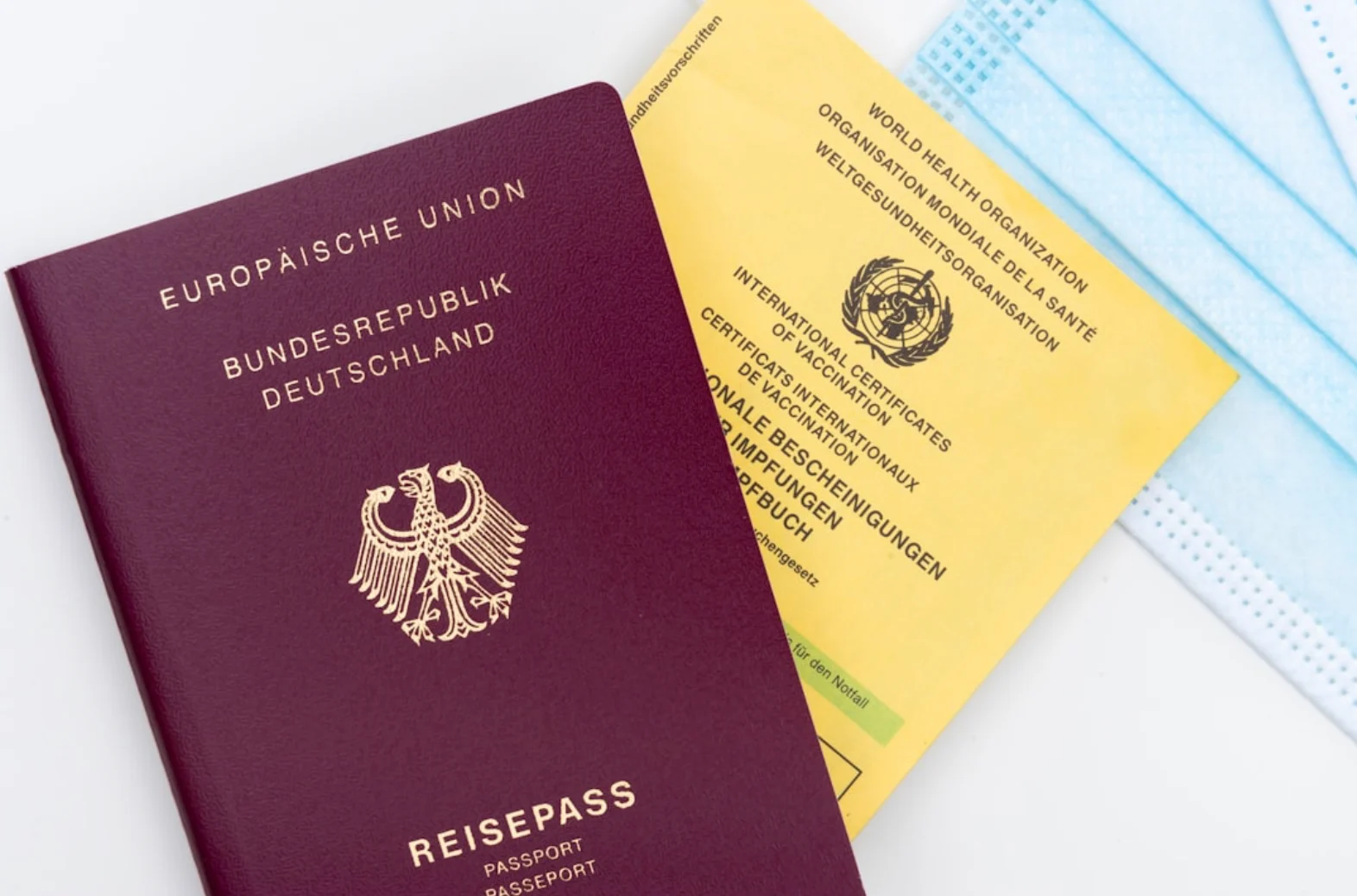
Studying abroad can feel daunting, especially when you have to navigate visa requirements for a new country. This guide demystifies the German student visa process, offering clear, step-by-step information to help aspiring international students from the U.S. achieve their dream of higher education in Germany.

Understanding the German Student Visa
Embarking on an academic journey in Germany requires careful preparation, and for many, the first crucial step is securing the right German student visa. This document is your official gateway to pursue higher education and stay in Germany legally for the duration of your studies. Understanding its purpose and the different types available is essential for a smooth transition.
What is a German student visa?
A German student visa is a national visa that allows international students to enter Germany and reside there to study at a German university or prepare academically. Unlike a Schengen visa, which allows short stays of up to 90 days, a student visa permits a much longer stay, enabling you to complete your entire degree program. It’s more than just an entry permit; it’s the foundation for your student residence permit once you arrive in Germany.
Who Needs a Visa to Study in Germany?
Whether you need a visa to study in Germany largely depends on your nationality. For U.S. citizens, the process is unique: you do not need a visa to enter Germany for study purposes if your program starts soon after your arrival. However, you must apply for a residence permit within 90 days of arriving in Germany. Most other international students, particularly those from non-EU/EEA countries, will need to apply for a student visa at a German embassy or consulate in their home country before arriving in Germany. This is a critical distinction, so always verify your specific visa requirements with the German mission in your country.
Types of Student Visas in Germany
Germany offers a few distinct types of student visas, each tailored to different stages of your academic journey. The most common is the student visa, issued to those already admitted to a German university. If you’re still preparing for university, perhaps by attending a language course or a foundation year, you might initially apply for a “visa for study applicants” or a “language course visa,” which can later be converted into a student residence permit. Choose the correct type to ensure your application is successful.
Visa Requirements for International Students
Securing a German student visa requires careful attention to detail and a thorough understanding of the specific visa requirements for international students. The application requires a comprehensive set of documents, proof of financial stability, and often specific language skills. Gathering everything well in advance is essential to avoid delays and ensure a successful application.
Essential Documents for Visa Application
The list of required documents for your German student visa application is extensive and precise. Generally, you’ll need a valid passport, several biometric photos, a completed visa application form, your letter of admission from a German university, and proof of previous education. Additionally, you’ll need travel health insurance, a detailed CV, and a motivational letter explaining your academic goals. Always check the specific requirements on the website of the German embassy or consulate where you plan to schedule an appointment, as these can vary slightly.
Language Requirements for Student Visas
For many international students, demonstrating sufficient language skills is a key visa requirement. If your chosen degree program is taught in German, you will need to show proof of German language proficiency, typically through standardized tests like TestDaF or Goethe-Zertifikat. For English-taught programs, an IELTS or TOEFL score will be necessary. Some universities offer conditional admission, allowing you to strengthen your German language skills in Germany before starting your studies; in that case, you might initially apply for a language course visa.
Financial Proof and Health Insurance
One of the most crucial aspects of the visa application process is proving you have sufficient financial means to cover your living expenses while studying in Germany. German authorities typically require applicants to show proof of financial resources, often through a blocked account that holds a set amount of money (currently around €11,208 per year) that you can access monthly. Additionally, you must have valid health insurance for the entire duration of your stay in Germany. This can be private or public health insurance, and you must provide proof of coverage when you apply for a student visa and later for your student residence permit.
Applying for a German Student Visa
For U.S. citizens, while you don’t typically need a visa to initially enter Germany for study purposes, you absolutely must apply for a residence permit within 90 days of arriving in Germany. However, many other international students begin by applying for a German student visa at a German embassy or consulate in their home country. This initial visa allows you to enter Germany and then convert it into a student residence permit, ensuring your legal stay for higher education.
Step-by-Step Visa Application Process
Applying for a student visa requires meticulous preparation. First, identify the correct German mission (embassy or consulate) where you need to apply for a student visa. Schedule an appointment well in advance through their consular services portal, as wait times can be long. Gather all required documents, including your passport, admission letter from a German university, proof of financial resources like a blocked account, and travel health insurance. Complete the visa application form accurately, as errors can significantly delay your application.
Common Mistakes When Applying
Many international students make common mistakes that can hinder their visa application. One frequent error is submitting an incomplete visa application form or providing outdated required documents. Failing to provide sufficient proof of financial means or adequate travel health insurance is also common. Additionally, not scheduling a visa appointment early enough or not carefully checking the specific visa requirements for international students on the German embassy or consulate website can cause unnecessary stress and delays in your journey to study in Germany.
Processing Times and Fees
The processing times for a German student visa can vary significantly, often ranging from a few weeks to several months, depending on the German mission and the time of year. Apply for a student visa as early as possible to avoid last-minute complications before you need to enter Germany. The visa application typically includes a fee, which you should pay at your visa appointment. Always verify the current fees and accepted payment methods on the relevant German embassy or consulate website.
Residence Permits for Students in Germany
Once you have successfully entered Germany, the next critical step for all international students, including U.S. citizens, is to secure a student residence permit. This document allows you to stay in Germany legally for the entire duration of your studies and is a direct follow-up to your initial student visa or your visa-free entry as a U.S. citizen. Understanding its importance and the application process is key to a smooth academic journey.
What is a student residence permit?
A student residence permit is an official document issued by the local Foreigners’ Office (Ausländerbehörde) in Germany that grants international students the legal right to reside in Germany to pursue higher education. Unlike the initial national visa, which is primarily for entry, the residence permit authorizes you to stay in Germany long-term. It replaces your study visa and must be obtained within the first 90 days of your arrival if you don’t need a visa to enter.
How to Apply for a Student Residence Permit
To apply for a student residence permit, visit your local Foreigners’ Office in Germany. You’ll need to schedule an appointment and bring the same required documents as for your initial visa application, including your passport, proof of enrollment at a German university, updated proof of financial means (such as your blocked account statements), and valid German health insurance. They may also ask for your tenancy agreement and biometric photos. It’s a crucial step to ensure your continued legal stay in Germany while you study.
Maintaining Your Residence Status
To maintain your student residence permit, you must continue to meet the initial visa requirements, especially demonstrating consistent academic progress and sufficient financial resources. If your passport is nearing expiration or your studies extend beyond the initial permit’s validity, you will need to apply for an extension. Understanding the regulations for working in Germany on a student residence permit, such as limits on working hours, is also vital. The Federal Foreign Office often provides up-to-date guidance on these important aspects for international students.

Life as an International Student in Germany
Cost of Living and Tuition Fees
For international students considering studying in Germany, understanding the cost of living and tuition fees is essential. Unlike in the USA, where tuition can be astronomically high, most public universities in Germany charge no tuition fees, or only small administrative fees, for both German and international students. However, you will still need to show proof of financial resources for your living expenses, typically by having a blocked account with around €11,208 to cover approximately one year of living. This is a crucial visa requirement for your student visa or residence permit application.
Working While Studying in Germany
Many international students work in Germany to help cover expenses and gain valuable experience. Your student visa or student residence permit will typically allow you to work up to 120 full days or 240 half days per year without needing an additional work permit. This regulation is quite generous compared to some other countries. Engaging in a relevant internship related to your field of study can also count towards this limit but offers a fantastic opportunity to gain practical experience and improve your German language skills. Always ensure your work activities comply with your visa conditions so you can stay in Germany legally.
Quality of Life for International Students
The quality of life for international students in Germany is generally very high, contributing to why so many choose to study in Germany. Cities offer excellent public transportation, a safe environment, and a rich cultural scene. The healthcare system is robust, and as part of your visa requirements, you will need travel health insurance, which provides access to quality medical care. Learning German and immersing yourself in a new culture also enhances the experience, making your stay in Germany both academically rewarding and personally enriching.
Frequently Asked Questions
How Long Can I Stay in Germany on a Student Visa?
Initially, a German student visa is issued for a limited period, typically three to six months, allowing you to enter Germany and settle in. Once you arrive and register your address, you must apply for a student residence permit at the local Foreigners’ Office. This residence permit is usually valid for one to two years and can be extended for the entire duration of your higher education program, provided you continue to meet the visa requirements for international students and demonstrate academic progress. To stay in Germany, you will need to apply for a student visa or a residence permit.
Can I Change My Course While on a Student Visa?
You can change your course of study while on a German student visa or student residence permit, but it requires careful consideration and adherence to specific regulations. You generally need to inform the local Foreigners’ Office (Ausländerbehörde) about your change in study program. If the new course differs significantly from the one for which your initial visa was granted, or if it requires a substantial extension of your stay in Germany, you may need to apply for a new residence permit. Consult the Foreigners’ Office or the Federal Foreign Office for precise guidance to ensure you maintain your legal status.
What Happens if My Visa Application Is Rejected?
If your German student visa application is rejected, it can be disappointing, but it’s not always the end of your dream to study in Germany. The German embassy or consulate will explain the rejection, which may be due to incomplete required documents, insufficient proof of financial means, or issues with your letter of admission. You typically have the right to appeal within a specific timeframe, usually one month, by submitting a “remonstration” letter that addresses the reasons for rejection and provides additional information. Alternatively, you can always improve your application and reapply for a student visa.
Official sources: Federal Foreign Office · Make it in Germany