The German student visa interview can seem daunting, but with the right preparation, you can approach your appointment with confidence. This guide will walk you through the essential steps, from understanding visa types to successfully preparing for your interview, ensuring a smoother transition to studying in Germany.

Understanding the German Student Visa
Securing a student visa is a critical step for anyone planning to study in Germany. This document officially permits you to reside in Germany for educational purposes, so you can focus on your studies without unnecessary complications. You must understand the nuances of the German student visa before you begin the visa application process.
What is a German student visa?
A German student visa is an official immigration document that allows non-EU/EEA citizens to enter and reside in Germany to pursue higher education. It is essential for any international student who plans to study in Germany for more than 90 days. Without this visa, you cannot legally begin your studies or live in the country, so apply promptly and accurately.
Types of German Student Visas
You generally need one of two student visas: the prospective student visa (Visum zur Studienbewerbung) for those still seeking admission and the student visa (Studentenvisum) for those already accepted into a German university. Choosing the right visa type is crucial to your application. The former lets you enter Germany to apply to university programs, while the latter is for those with confirmed admission.
Eligibility Criteria for a Student Visa
To be eligible for a student visa for Germany, applicants must meet several key requirements, including proof of admission to a German university or an unconditional offer of admission, evidence of sufficient financial resources to cover living expenses, and health insurance coverage. These criteria are critical to a successful visa application and show you can support yourself while pursuing your education abroad.
Preparing for Your Visa Interview
Preparing for your German student visa interview is as important as the application itself. This includes gathering all required documents, understanding how to schedule your appointment, and anticipating common questions you might face. Thorough preparation significantly improves your chances of a successful visa outcome.
Documents Required for the Interview
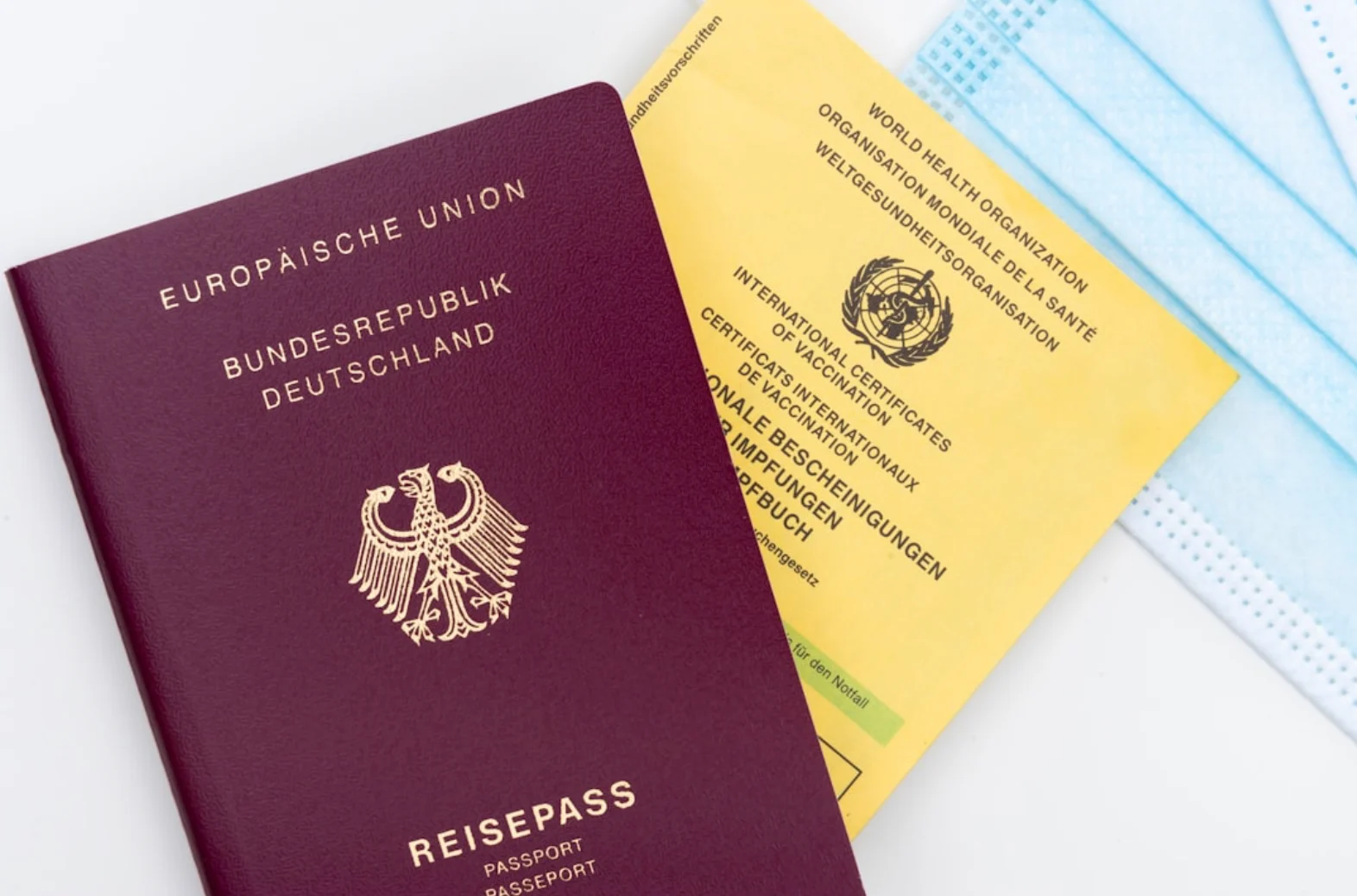
For your German student visa interview, you will need to submit a comprehensive set of documents, including your valid passport, proof of university admission, financial proof (such as a blocked account), health insurance, and previous educational certificates. Completing, verifying, and properly translating all documents is vital to your visa application. Missing even one document can delay processing or lead to rejection.
How to Schedule Your Visa Interview Appointment
Scheduling your visa interview appointment typically involves using the online appointment system provided by the German embassy or consulate in your home country. Book your online appointment well in advance, as slots can fill up quickly, especially during peak student visa application periods. Always check the website of the German mission where you plan to apply for a visa.
Common Questions Asked During the Visa Interview
During your German student visa interview, you should expect questions about your motivation to study in Germany, your chosen study program, your financial plan, and your intentions after graduation. Be prepared to explain why you want to study in Germany, how you plan to finance your residence, and your long-term career goals. Honesty and clarity in your responses are key to a successful outcome for your scheduled appointment.
Navigating the Visa Application Process
Once you’ve prepared your documents and practiced your answers, the next critical step is navigating the visa application process. This involves understanding the exact steps for submitting your application and knowing the key deadlines that could affect your plans to study in Germany. Successfully completing this stage is crucial to securing your student visa.
Step-by-Step Guide to Applying for a Visa
Applying for a student visa for Germany is a structured process that begins with thoroughly gathering all required documents, including your valid passport, proof of admission, financial documentation, and health insurance. Next, you will need to schedule an appointment through the online appointment system of the German embassy or consulate in your region. On the day of your appointment, submit your application in person, ensuring all forms are completed accurately and all supporting documents are present. The interviewer at the German mission will then review your application and conduct the visa interview, which is a pivotal moment in your journey to study in Germany.
Important Deadlines and Timelines
Understanding the important deadlines and timelines is crucial when applying for a German student visa. Start your visa application several months before your intended departure date, as processing times can vary significantly and often take several weeks or even months. The Federal Foreign Office advises applicants to submit their applications well in advance to avoid any last-minute stress or delays. Missing critical deadlines could delay the start of your studies, so proactive planning and monitoring the processing times are essential.
Tips for a Successful Visa Interview
A successful visa interview is more than answering questions; it’s about presenting yourself as a credible, committed applicant. To improve your chances of a positive outcome for your student visa for Germany, dress professionally and arrive early for your scheduled appointment at the embassy or consulate. Be honest and concise in your responses, providing clear explanations for your motivation to study in Germany and your plans after graduation. Demonstrate a genuine understanding of your chosen study program and how you intend to finance your residence in Germany. Confidence and clarity are key to impressing the visa officer and securing your visa in Germany.
Post-Interview Steps
After the intensity of your visa interview, the process doesn’t end immediately. You need to know the crucial post-interview steps, from what happens next to how to avoid common pitfalls. Staying informed about this final phase will help you transition smoothly from your visa application to receiving your student visa for Germany.
What to Expect After Your Visa Interview
After your visa interview at the German embassy or consulate, the waiting period begins. The consular officer will have collected your documents and passport, and your application will now move into the processing phase. You can expect that the German mission will review all the information and documents you submitted during your scheduled appointment. During this time, the embassy or consulate may contact you for additional information or clarification if needed. This is a normal part of the visa application process for a student visa to Germany, so be prepared to respond promptly to any requests.
Receiving Your Visa: What Happens Next?
If your student visa application is approved, the German embassy or consulate will contact you to inform you that your passport, now containing your student visa for Germany, is ready for pickup or will be mailed to you. This is the moment you’ve been waiting for! Carefully check all the details on your new visa, including your personal information, the visa type, and the validity period, to ensure everything is correct. Receiving your visa means you have officially been granted permission to enter and reside in Germany for your studies, marking a significant milestone in your journey to study in Germany.
Common Mistakes to Avoid After the Interview
Even after a successful visa interview, applicants should avoid common mistakes. One significant error is making travel plans before you receive your visa in your passport. Flight cancellations or changes can be costly, so wait until you have your student visa in hand. Another mistake is not carefully reviewing your visa details; any discrepancies could cause issues upon arrival in Germany. Finally, make sure you understand your visa’s validity period and any attached conditions, as overstaying or violating visa regulations can have serious consequences for your residence in Germany.

Additional Resources and Support
Where to Find More Information on Visa Regulations
For the most current and authoritative details on student visa regulations in Germany, always consult official sources. The Federal Foreign Office website and the German Academic Exchange Service (DAAD) are excellent starting points, offering comprehensive information on all visa types, including the student visa for Germany. These platforms provide up-to-date requirements, application forms, and details on the visa application process, ensuring you have the most accurate information directly from the source. Visa regulations can change, so regularly checking these sites is crucial.
Consulting with Service Providers for Visa Assistance
While it’s important to understand the visa application process yourself, some applicants may benefit from consulting reputable visa service providers. These providers can help you compile your documents, understand specific visa requirements, and even schedule an appointment at the German embassy or consulate. However, always exercise caution and verify any service provider’s credentials. Official sources like the German mission or the Federal Foreign Office emphasize that no one can guarantee visa approval, and applicants should avoid providers who make such claims.
Language Courses and Verification Services
If your chosen study program in Germany requires proof of German language proficiency, you’ll need to submit relevant language certificates as part of your student visa application. Many language schools abroad offer courses that prepare you for official examinations, and some even provide certificate verification services. Any language document you submit with your visa application must be officially recognized and verifiable. If you need to improve your German, an intensive language course before applying for your student visa can significantly improve your chances of admission and make your transition to studying in Germany smoother.
Frequently Asked Questions
What if I am denied a student visa?
If your student visa application is denied, it can certainly be disappointing, but it’s not always the end of the road for your plans to study in Germany. The German mission will typically explain the denial in a refusal letter. Carefully review this document to understand why your visa was not approved. Denials often result from missing documents, insufficient proof of funds, or unclear answers during your visa interview. You can usually appeal the decision or reapply for a visa by addressing the specific reasons for the initial rejection. Resolve any identified issues before reapplying to improve your chances.
How can I expedite my visa application?
Unfortunately, there is generally no official process to significantly expedite a German student visa application. The processing times are standard across all applicants and depend on the workload of the German embassy or consulate and the complexity of your case. The best way to ensure a timely process is to submit a complete, accurate application from the outset, include all required documents, and schedule an appointment as early as possible. Avoiding common mistakes and responding promptly to any requests for additional information from the German mission can help prevent unnecessary delays in your visa in Germany.
Can I work while studying in Germany on a student visa?
Yes, a German student visa typically allows international students to work part-time while pursuing their studies, which can help cover living expenses and gain valuable experience in Germany. Most student visas allow 140 full days or 280 half days per year without a separate work permit. However, restrictions apply, particularly for self-employment or full-time positions. Always check the specific conditions printed on your visa and consult with the local Foreigners’ Office (Ausländerbehörde) upon arrival in Germany to understand the precise regulations regarding employment for your type of visa and residence in Germany.
Official sources: Federal Foreign Office · Make it in Germany