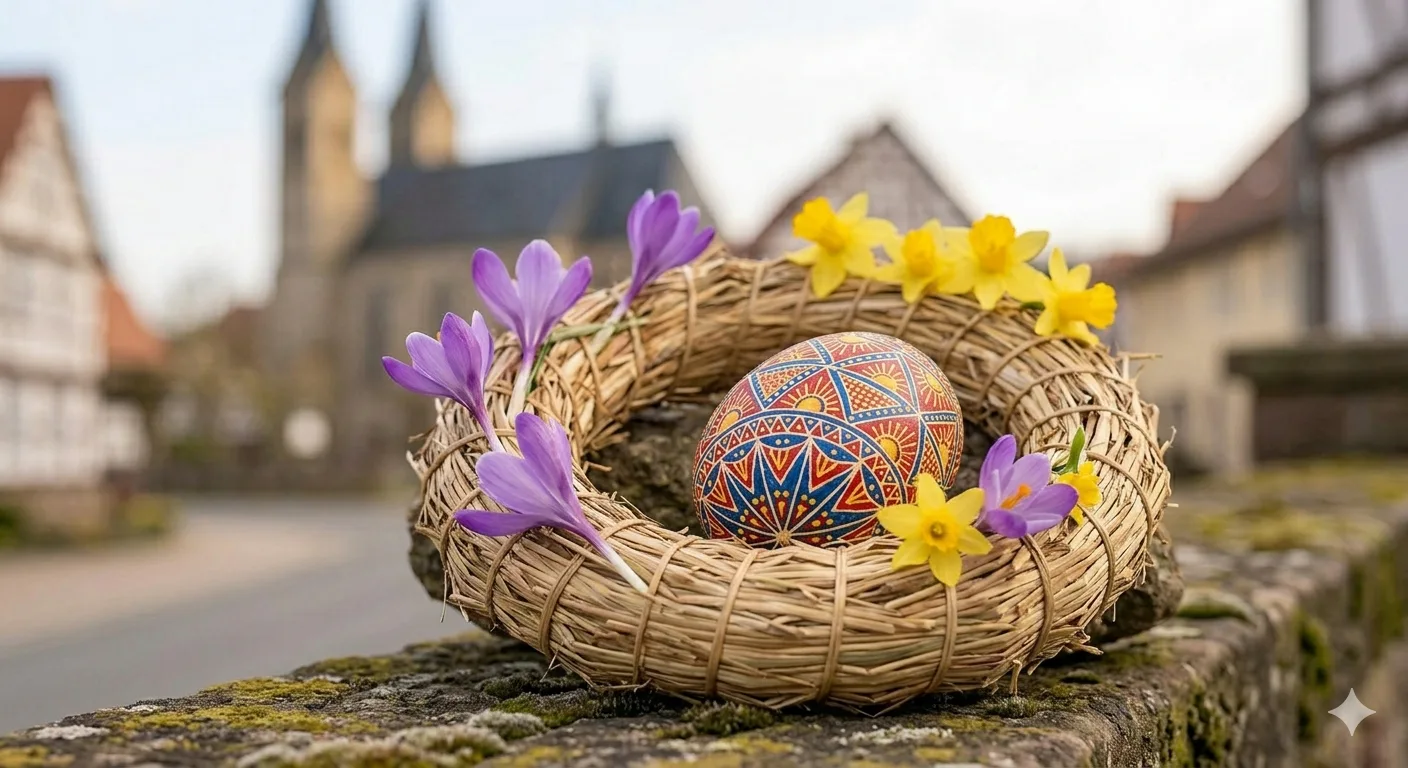
The dream of studying in Germany often comes with vivid images of picturesque castles, world-class universities, and vibrant student life. However, beneath the excitement and anticipation, many international students will experience culture shock, which can significantly affect their journey if they don’t understand and manage it properly. This guide aims to prepare you for these cultural nuances and help you thrive in your new environment.

Understanding Culture Shock
Moving to a new country like Germany is an exhilarating adventure, but it also means immersing yourself in a new culture, which brings its own set of challenges. This section will explore the concept of culture shock, outlining its various stages and helping you recognize how it might manifest during your experience in Germany. It’s a completely normal part of adapting to a new environment, and understanding it is the first step toward overcoming it.
What is culture shock?
Culture shock is a natural psychological and emotional disorientation many international students experience when adjusting to a new culture or environment that differs significantly from their own. It’s more than just feeling homesick; it’s a profound sense of confusion, anxiety, and even frustration that arises from constantly having to navigate unfamiliar social cues, norms, and expectations. When you study in Germany, you’ll encounter a distinct German culture, and your usual ways of doing things might not apply, leading to this feeling of disorientation. Many international students assume it’s just about the language, but it runs much deeper, affecting everything from daily interactions to core values.
Stages of Culture Shock
From my experience as a student leader in Germany, I’ve observed that culture shock typically unfolds in several identifiable stages, though the intensity and duration vary for each individual. Initially, there’s the “honeymoon phase,” where everything about the new culture is exciting and novel. This is often followed by the “negotiation phase,” where the initial enthusiasm wears off, and the reality of cultural differences, such as the direct communication style of Germans or the seemingly complex German bureaucracy, begins to set in, causing frustration and confusion. Then comes the “adjustment phase,” where international students in Germany start to understand and adapt to their new surroundings, slowly integrating into local life. Finally, the “mastery phase” marks comfortable integration, though some cultural differences may always remain.
Recognizing Your Experience in Germany
It’s crucial for fellow students to recognize the symptoms of culture shock as the first step toward managing it effectively during your time in Germany. You might feel unusually exhausted, irritable, or even isolated, even when surrounded by other students. You might struggle with simple tasks that felt easy back home, like navigating public transport or understanding the recycling system. Many students assume these feelings are personal failings, but they are common signs of grappling with a new culture. Most blogs won’t tell you this, but these feelings show your brain is working hard to process a vast amount of new information and adapt to German customs and norms.
Common Cultural Shocks in Germany
As a newcomer to Germany, you’ll inevitably encounter several cultural differences that can initially feel jarring. These common cultural shocks often stem from deeply ingrained German values and societal norms. Understanding these aspects of German culture beforehand can significantly ease your transition and help you make sense of seemingly puzzling local behaviors. This section highlights some of the most common cultural adjustments you might face and offers insights into how to navigate them effectively.
Punctuality is Paramount: Adjusting to Time Norms
One of the most immediate and profound cultural shocks many international students face when they study in Germany is the extremely high value placed on punctuality. In Germany, being on time doesn’t just mean arriving within a few minutes of the scheduled time; it means being there precisely on the dot, if not slightly earlier. This applies to everything from university lectures and appointments with the international office to social event gatherings with fellow students. From my experience advising hundreds of students, I’ve seen such behavior cause significant stress. Being late, even by a few minutes, is often seen as disrespectful, which can be a major cultural difference for many and can affect first impressions and relationships.
Direct Communication Style: Navigating Conversations
Germans’ direct communication style is another significant cultural shock that can catch many international students off guard. Unlike cultures that prefer indirectness and subtle cues to maintain harmony, Germans are straightforward and explicit in conversation. Germans often see this directness not as rudeness but as efficiency and honesty. I have personally seen students face this problem, interpreting blunt feedback as criticism when it was simply a clear statement of facts. Learning to appreciate this frank approach, and perhaps even adopting a bit of it yourself, will help you navigate academic and social interactions and make friends in Germany more smoothly.
Understanding Formality in Interactions
Beyond directness, a key aspect of German culture is the level of formality in interactions, especially with authority figures or in initial encounters. This manifests in the use of formal address (“Sie” instead of “Du”) and a general preference for structured conversations rather than casual small talk, especially with strangers or in professional settings. This is where expectations can clash for many international students from cultures where informal interactions are the norm. Knowing when to use formal language and where to draw boundaries around personal space and conversation topics can prevent misunderstandings and help you build respectful relationships in your new community.
Bureaucracy: A Student’s Guide
Navigating the German bureaucracy is one of the most frequently cited challenges for international students in Germany. It’s a system known for its thoroughness, precision, and often paper-based processes, which can feel overwhelming to newcomers. From registering your address to dealing with health insurance, you’ll interact with administrative offices in nearly every aspect of your life here. This section aims to demystify these processes by providing a practical guide to help you manage paperwork and procedures efficiently.
Navigating Registration Processes
As a newcomer, one of your first bureaucratic hurdles will be registration, primarily the Anmeldung (city registration) at the local Bürgeramt. Many students assume they can delay this, but without it, you cannot open a bank account, sign up for internet, or, in some cases, officially enroll at your university. It’s a foundational step. I’ve seen students arrive with housing contracts secured but struggle because they didn’t understand the strict appointment system or the precise documents required, such as a valid passport and the Wohnungsgeberbestätigung (landlord’s confirmation). Getting these details right early on is paramount for a smooth start to your experience in Germany.
Understanding Local Laws and Regulations
Beyond registration, many local laws and regulations will affect your daily life in Germany, and understanding them is crucial for a stress-free experience. These include quiet hours (Ruhezeiten) in residential areas, which are strictly observed, especially on Sundays, and the elaborate recycling system (Mülltrennung), which can seem incredibly complex at first. Most blogs won’t tell you the truth, but ignoring these rules, even unknowingly, can lead to fines or strained relations with neighbors and fellow students. From my experience, a basic understanding of these German customs, even if you ask your international office or fellow students, makes a huge difference in adapting to local life.
Dealing with Health Insurance as a Student
Navigating the German health insurance system is another major bureaucratic task for international students, and it’s non-negotiable. It’s not just a recommendation; valid health insurance is mandatory for your student visa and university enrollment. You’ll need to choose between public and private insurance, each with its benefits and application processes. At GermanCampus.com, we’ve guided hundreds of students through this exact process, emphasizing that understanding your options and securing coverage before you arrive can prevent major headaches. This is where expectations break: many think their home-country insurance will suffice, but German requirements are specific and demand full compliance for your stay.
Language Barriers and Overcoming Them
The language barrier is undeniably one of the biggest challenges for many international students in Germany, often amplifying culture shock. While many German university programs are taught in English, daily life, from grocery shopping to small talk with locals, will inevitably require some German language skills. Overcoming this barrier is crucial for integration and making friends in Germany, as it helps you adapt to the new culture and fully immerse yourself in your experience there.
Learning Basic German Phrases
Even if your study program is entirely in English, learning basic German phrases is incredibly beneficial, and Germans appreciate it. This isn’t just about practical communication; it shows respect for the new culture and helps you overcome culture shock. Simple greetings, ordering food, asking for directions, or understanding basic signs can significantly ease your daily interactions and boost your confidence. From my observations, students who actively try to speak even a little German find it much easier to build connections and navigate the nuances of local life.
Resources for Language Learning
Fortunately, many resources support international students on their journey to learn German. Your university’s international office often offers German language courses tailored for newcomers, sometimes free or subsidized. Beyond formal classes, numerous apps, online platforms, and local Volkshochschulen (community colleges) offer affordable courses. Most blogs won’t tell you the truth, but finding a tandem partner, a native German speaker learning your language, is an excellent way to practice conversational German in a relaxed setting while making friends in Germany. This practical application significantly accelerates learning beyond classroom theory.
Engaging with Local Life
True language proficiency and cultural immersion come from actively engaging with local life. Don’t shy away from opportunities to use your basic German skills; even if you make mistakes, Germans generally appreciate the effort. This means more than just attending classes; it includes visiting local markets, joining university sports clubs, and participating in social events with both German and international students. The more you step out of your comfort zone and interact, the faster you’ll overcome the language barrier and feel genuinely connected to your new culture. This active participation is key to a fulfilling study abroad experience.

Making Friends in Germany
Building a strong support network and making friends in Germany is one of the most important ways to overcome culture shock and truly enjoy your study abroad experience. Germans might initially seem reserved or formal because of their direct communication style and emphasis on punctuality, but they are incredibly loyal once you build a connection. This section offers practical advice on building community and fostering meaningful relationships, which are critical to dealing with the difficulties of living in Germany as an international student.
Finding Community and Support
Establishing a strong community and support network is paramount for international students in Germany. Your university is an excellent starting point; look for student organizations, sports clubs, or academic interest groups. The international office often hosts welcome events and social gatherings specifically designed for newcomers. I’ve seen students who proactively joined these groups form lasting friendships and build a vital support system that helps them through tough times. This active engagement goes a long way toward reducing feelings of isolation and helping you feel at home in your new culture.
Participating in Cultural Events
Local cultural events are a fantastic way to immerse yourself in German culture and meet new people. Whether it’s a local festival (Volksfest), a Christmas market, or a community celebration, these events provide natural, low-pressure environments for social interaction. You’ll encounter not only Germans but also other international students and locals who are open to conversation. This is where expectations break for many: they wait for invitations, but the reality is that actively seeking out and attending these events yourself is the best way to broaden your social circle and make new connections.
Connecting with Other International Students
While integrating with Germans is valuable, connecting with other international students matters just as much. These students often face similar culture shock, language barriers, and bureaucratic hurdles, creating an instant bond of shared understanding. Peer groups of international students can become an invaluable support network, offering emotional comfort, practical advice, and a sense of belonging. At GermanCampus.com, we often highlight the power of these connections, as they provide a safe space to discuss challenges and celebrate small victories, reinforcing that you’re not alone in your experience in Germany.
Daily Life Adjustments
Beyond broader cultural differences and bureaucratic intricacies, daily life in Germany brings its own minor yet impactful adjustments for international students. These seemingly small things, from how you manage waste to the quiet hours observed, are deeply rooted in German customs and shape the overall cultural experience. Understanding and adapting to these daily routines is essential for smooth integration and to minimize everyday cultural shocks while living in Germany.
Understanding Recycling and Waste Management
One of the first and most complex daily-life adjustments for any newcomer in Germany is understanding the comprehensive recycling and waste management system, often referred to as Mülltrennung. This goes far beyond a simple recycling bin; Germany has a highly sophisticated system that requires strict separation into different-colored bins for paper, plastic/packaging (Gelber Sack/Tonne), organic waste (Biotonne), and general waste (Restmüll), plus separate bins for glass and old clothes. Many international students assume it’s a suggestion, but incorrect separation can lead to fines or neighbor complaints. This practice is a key German custom, and getting it right shows respect for the environment and your community.
Adapting to Noise Regulations and Quiet Hours
Another significant daily-life adjustment is adapting to Germany’s strict noise regulations and quiet hours (Ruhezeiten), particularly on Sundays. Germans highly value peace and quiet, especially in residential areas. Typically, quiet hours are observed in the evenings (e.g., 10 PM to 6 AM), during midday, and strictly all day on Sundays and public holidays. This means no loud music, vacuuming, drilling, or even excessive noise from children in shared buildings. I’ve seen students run into problems with landlords or fellow students because they unknowingly broke these rules. Understanding and respecting these quiet hours isn’t just about avoiding complaints; it’s a fundamental part of harmonious living in Germany.
Grocery Shopping and Local Cuisine
Even something as routine as grocery shopping and adapting to local cuisine can present a subtle culture shock. Supermarkets in Germany operate on different hours than in many other countries, often closing earlier in the evening and being completely closed on Sundays, which is a significant adjustment. The range of products, the preference for seasonal produce, and the lack of certain international ingredients can take some getting used to. However, it’s also an opportunity to explore the delicious local life, try new German customs like regional breads, cheeses, and seasonal specialties, and learn how to cook economically. This daily interaction with German culture through food is a practical and enjoyable part of your overall experience.

Practical Tips for International Students
Finding Accommodation in Germany
Finding suitable accommodation is often one of the first and most stressful practical hurdles for international students in Germany, and it’s a critical factor in mitigating initial culture shock. The housing market, particularly in popular student cities, can be highly competitive, and many students assume they can simply arrive and find something quickly. In reality, securing a place before you arrive is crucial. Websites like WG-Gesucht.de for shared flats (Wohngemeinschaften) or studentenwerke.de for student dormitories are good starting points. I’ve seen students make the mistake of not starting their search early enough, leading to temporary, expensive solutions that add to the stress of adapting to a new culture.
Managing Finances and Budgeting
Effectively managing finances and budgeting is a practical skill every international student in Germany needs to master quickly to avoid financial strain that can worsen culture shock. From the mandatory blocked account (Sperrkonto) required for your visa to daily living expenses, understanding Germany’s cost of living is vital. Most blogs won’t tell you the whole story, but unexpected costs, like semester contributions or TV licensing fees (Rundfunkbeitrag), can catch you off guard. Create a detailed budget, track expenses, and look for student discounts or minijob opportunities to ensure financial stability throughout your study abroad experience.
Utilizing Student Services and Resources
Leveraging the many student services and resources available can significantly ease an international student’s journey in Germany and help overcome culture shock. Your university’s international office is an invaluable first point of contact, offering support for everything from visa extensions to academic advice and social event planning. Additionally, the local Studentenwerk provides affordable cafeterias, psychological counseling, and sometimes even housing assistance. From my experience as a student leader, students who actively use these resources are generally better equipped to navigate bureaucracy, adapt to German culture, and make friends in Germany.
Information Gain: What Most Guides Don’t Tell You
Hidden Challenges International Students Face
Most guides miss the hidden layer of challenges international students face beyond obvious culture shock, such as subtle discrimination or the emotional toll of constant adaptation. Many international students assume that once they secure a visa and start university, everything will go smoothly. The reality is that navigating a society where you might be an “outsider” can be draining, from dealing with slow bureaucratic processes at the Ausländerbehörde to feeling lonely even when surrounded by fellow students. This constant negotiation of expectations versus reality is a pervasive issue we address at GermanCampus.com.
Insider Tips for Navigating Cultural Norms
An insider tip for navigating German cultural norms, one most general guides overlook, concerns the unwritten rules of social invitations and small talk. Germans tend to value genuine connection over superficial interactions. This means that while directness is common, an invitation for coffee or a social event is often a genuine gesture, not just a polite formality. From advising students across multiple German universities, one thing stands out: don’t be afraid to accept German invitations, but understand that “maybe” often means “no.” Building these relationships helps ease culture shock by deepening your understanding of the new culture.
Leveraging University Support Systems
Leveraging university support systems effectively is crucial, but most guides only touch on the international office. They often overlook the potential of academic advisors and student mentors, resources that can be game-changers for international students. These individuals can offer guidance not only on academic success but also on navigating the cultural nuances of university life, understanding German customs, and even making friends in Germany by pointing you to relevant clubs or student initiatives. Their insights are often specific to your faculty or department, providing a level of tailored support that general resources cannot.
Conclusion: Moving Forward with Confidence
Embarking on your study abroad journey in Germany is an adventure filled with immense opportunities for personal growth and academic excellence, even with the inevitable cultural shocks. By understanding the stages of culture shock, preparing for bureaucratic hurdles, actively learning the language, and making friends in Germany, you’ll not just survive but thrive in your new culture. Remember, adapting to German culture is a marathon, not a sprint, and every small step you take adds to a richer experience.
Integrating into a new culture can feel daunting, but you are not alone. Take confidence in knowing countless international students have successfully navigated these waters before you. Start by tackling your Anmeldung, then explore local language courses, and don’t hesitate to reach out to your international office or connect with fellow students for support. GermanCampus.com is here to guide you, offering resources and community to ensure your experience in Germany is as smooth and rewarding as possible.
Official sources: DAAD · Study in Germany