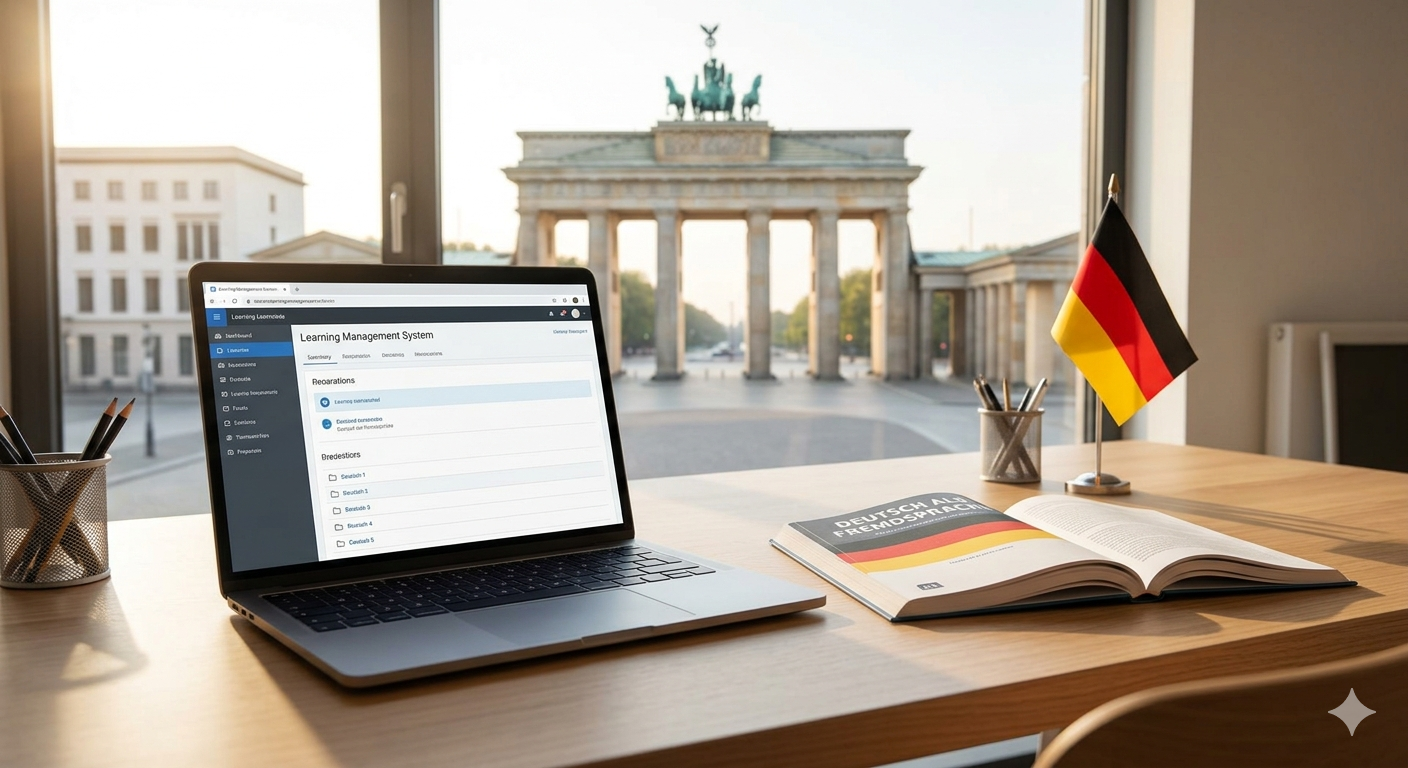
Learning German can unlock a world of opportunities, from enhancing your career prospects to experiencing German culture firsthand. This comprehensive guide will walk you through everything you need to know to learn German quickly and effectively, even if you’re starting from scratch.
Understanding the German Language
Importance of Learning German
Learning the German language offers significant advantages, whether for academic pursuits, career advancement, or cultural immersion. For American students, it provides access to affordable, world-class universities and numerous job opportunities in a strong European economy. This comprehensive guide to learning German will highlight how mastering basic German can enrich your life. Many multinational companies value employees who can speak German, as Germany boasts one of the strongest economies globally. Furthermore, understanding basic German vocabulary enhances travel experiences, allowing for deeper connections with locals and a richer appreciation of German culture. It’s a pragmatic step for anyone considering studying or working abroad.
Overview of German Words and Phrases
Starting your journey to learn German begins with understanding common German words and phrases. Familiarizing yourself with basic greetings like “Guten Tag” (Good day) or “Hallo” (Hello) and essential questions like “Wie geht es Ihnen?” (How are you?) forms the foundation of your language skills. This foundational knowledge is crucial before diving into more complex German grammar. Beyond simple greetings, learning German nouns, verbs, and adjectives for everyday things will help you build your conversational ability quickly. Understanding the pronunciation of these core words is also vital, as German has specific sounds that differ from English. This initial exposure is key to speaking German confidently and effectively.
Funny German Words to Keep You Engaged
Learning a new language doesn’t have to be all serious; discovering funny German words can make the process enjoyable and help you remember vocabulary more easily. Words like “Kummerspeck” (literally “grief bacon,” meaning weight gained from emotional overeating) or “Sitzpinkler” (a man who sits to pee, often used as an insult) offer amusing insights into German culture. Adding these quirky words to your studies can offer a lighthearted way to engage with the German language. They serve as memorable examples that highlight the unique expressiveness of German and often stick in your mind, making your online journey to learn German more entertaining and effective.
Getting Started with German Lessons
Choosing the Right Resources for Learning German
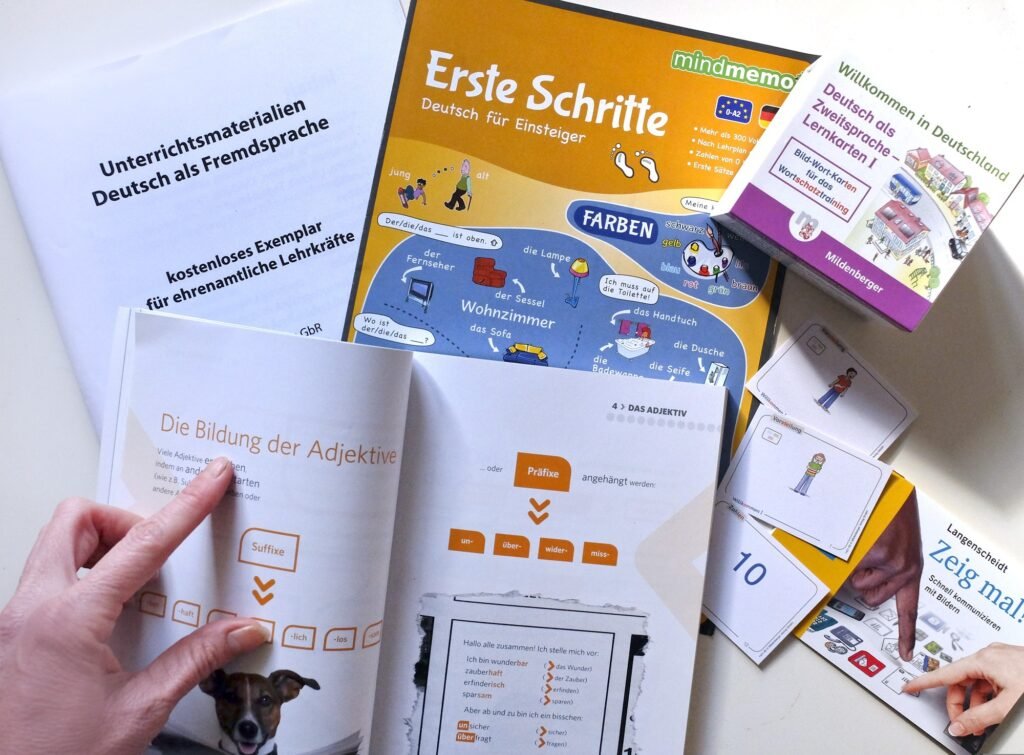
To learn German fast, choose the right resources to learn effectively. Whether you prefer structured German courses, interactive apps, or traditional textbooks, a combination of tools often yields the best results. Consider resources that align with your learning style and offer comprehensive coverage of German grammar, vocabulary, and pronunciation. Many platforms offer excellent German online lessons, from beginner A1 to advanced B1. Evaluating different options, including their teaching methodologies and user reviews, will help you find the most suitable guide to learning German fast. The key is to find resources that keep you motivated and engaged throughout your learning journey.
Overview of Free German Learning Options
For those looking to start learning German without immediate financial commitment, numerous free German learning options are available. Websites like Deutsche Welle offer extensive free German courses, news articles with German subtitles, and audio lessons tailored for various proficiency levels. These resources are excellent for building foundational language skills. Additionally, many YouTube channels provide free German lessons covering everything from basic German pronunciation to more complex grammar topics. Using these free tools can significantly support your progress, helping you immerse yourself in German and start speaking relatively quickly before investing in paid options.
How to Start Learning German with Babbel
If you’re wondering how to start learning German with a structured approach, Babbel is an excellent platform for learning a new language. Babbel offers interactive German lessons designed by language experts, focusing on practical conversation skills from the start. Its methodology helps users grasp German quickly by teaching useful phrases and sentence structures. Babbel’s curriculum helps you progress from basic German to more advanced levels by focusing on real-life dialogues and immediate application. This approach makes it easier to learn German online and develop the confidence to speak it in everyday situations, providing an efficient way to learn German faster than traditional methods.
German Grammar Essentials
Basic German Grammar Rules
Understanding the fundamental rules of German grammar is crucial for anyone looking to learn German effectively. Unlike English, German uses a case system that affects how nouns, pronouns, and adjectives change based on their function in a sentence. Mastering the four cases—nominative, accusative, dative, and genitive—is one of the most important steps to correctly constructing sentences and achieving fluency in the German language. Additionally, grasping verb conjugations, particularly for common verbs, is essential. German verbs change their endings depending on the subject, and knowing these patterns will significantly improve your ability to speak German accurately. Pay close attention to word order as well; while often similar to English, German has specific rules, especially in subordinate clauses, that differ and can be tricky for new learners.
Common Mistakes in German Language Learning
When you learn German, you’ll naturally hit hurdles, and recognizing common mistakes can help you overcome them faster. One frequent error is assigning the wrong gender to German nouns, since every noun is masculine, feminine, or neuter, and this affects articles and adjective endings. Another common pitfall is misunderstanding case usage, which can lead to grammatically incorrect sentences. Many learners also struggle with pronunciation, especially sounds that don’t exist in English, such as the “ch” sound in “ich” or “ach.” Incorrect verb conjugation and improper word order are also prevalent. By being aware of these typical mistakes, you can focus your efforts on areas that require more attention, making your journey to learn German online more efficient.

Tips for Mastering German Grammar Quickly
To master German grammar quickly, consistent practice and a structured approach are key. Start with high-frequency German words and their corresponding grammar rules, rather than trying to learn everything at once. Utilize flashcards for German nouns and their genders, and practice verb conjugations daily through exercises or language apps like Babbel. Immersion is also highly effective; try reading easy German texts, listening to German podcasts, or watching German movies with German subtitles. Breaking down complex grammar topics into smaller, manageable chunks will make the learning process less daunting and help you integrate new rules more effectively. Regular exposure and active application are the best ways to learn German faster.
Guide to Learning German Fast
Effective Strategies for Learning German Quickly
Learning a new language like German quickly requires a combination of effective strategies and consistent effort. One highly recommended approach is to immerse yourself as much as possible, even if you’re not in Germany. This can involve changing your phone’s language to German, listening to German music, or finding conversation partners to speak German with regularly. Another effective strategy is to focus on learning common German words and phrases that are most relevant to everyday conversations. Prioritize core vocabulary and basic German sentence structures before diving into more complex grammar. Utilizing apps and online German courses that emphasize practical communication can significantly speed up your progress, making the entire process of learning German online more engaging.
Setting Practical Goals for Your German Learning Journey
Setting practical, achievable goals is essential for anyone on their German learning journey. Instead of aiming for immediate fluency, start with smaller milestones, such as mastering basic German greetings within a week, learning 50 new German words in a month, or introducing yourself and ordering food in German within a few months. These specific objectives provide clear targets and a sense of accomplishment. For instance, aiming to complete the A1 level of the Common European Framework of Reference for Languages within six months is a practical goal. This level ensures you can understand and use familiar everyday expressions and very basic phrases. Review your progress regularly and adjust your goals as needed, keeping your motivation high as you learn German.
Daily Habits to Enhance Your German Learning
Developing daily habits is a powerful way to learn German faster and ensure continuous progress. Set aside a specific time each day, even if it’s just 15-30 minutes, for your German lesson. This could involve reviewing German grammar rules, practicing pronunciation, or expanding your vocabulary with new German words. Consistency is far more effective than sporadic, long study sessions. Incorporate German into your daily routine naturally; listen to a German podcast during your commute, label household items with their German nouns, or watch a short video with German subtitles. Even passive exposure to the German language can significantly enhance your language skills over time. These small, consistent efforts will accumulate and propel your journey to learn German online forward.
Advanced German Language Skills
Building Vocabulary with Difficult German Words
To truly master German and move beyond basic communication, challenge yourself with more complex, difficult German words. While foundational vocabulary is crucial for the A1 and B1 levels, expanding your lexicon with nuanced terms will significantly improve your ability to speak German articulately. Focus on specific subject areas that interest you, such as politics, science, or art, to build a specialized vocabulary. One effective way to learn these advanced German words is to keep a dedicated vocabulary journal. When you encounter unfamiliar words in German articles, books, or podcasts, write them down with definitions, example sentences, and synonyms. This active engagement with new terms, rather than just passive reading, is a highly effective way to learn German faster and deepen your understanding of the language.
Using German in Real-world Scenarios
Applying your German language skills in real-world scenarios is arguably the most effective way to truly learn German and solidify your progress. Beyond the classroom or online lessons, actively seek opportunities to speak German to bridge the gap between theory and practice. This could mean finding German-speaking communities in your area or joining online language exchange groups. Practicing your pronunciation and sentence structure by ordering food, asking for directions, or engaging in simple conversations will build confidence and highlight areas where you need more practice. Don’t be afraid to make mistakes; they are a natural and necessary part of learning a new language. The more you use German in daily interactions, the more natural and fluent your language skills will become.
Engaging with German Media for Better Comprehension
Engaging with German media is an invaluable step for enhancing your comprehension and immersing yourself in the nuances of the German language. Watching German movies or TV shows with German subtitles, listening to German podcasts, or reading German newspapers and books will expose you to authentic spoken and written German. This exposure helps you understand various accents, colloquialisms, and cultural references that aren’t always covered in structured German courses. Start with content that matches your current proficiency level; for instance, if you are at an A1 or B1 level, begin with children’s shows or simplified news articles. As your language skills improve, gradually move to more complex material. This consistent engagement with native content not only builds your German vocabulary but also improves your listening comprehension and offers deeper insight into German culture, which is vital for anyone looking to learn German online effectively.
Maintaining Your German Skills
How to Keep Your German Skills Sharp
Once you’ve dedicated time and effort to learning German, maintaining your language skills is crucial to keep them from getting rusty. Consistent practice, even for short periods daily, is far more effective than sporadic, long study sessions. Think of your German language skills like a muscle that needs regular exercise to stay strong and flexible. Integrate German into your daily life by changing your devices’ language settings, reading news in German, or listening to German music and podcasts during your commute. Reviewing German grammar rules and common German words through flashcards or apps like Babbel can also help reinforce what you’ve learned. The goal is to make German a regular, enjoyable part of your routine.
Joining Language Exchange Programs
Joining language exchange programs is an excellent way to keep your German skills sharp and continually improve your ability to speak German. These programs connect you with native German speakers who are learning English, offering a mutually beneficial arrangement. You can practice your German pronunciation and conversational skills in a supportive environment while helping someone else with their English. Many platforms, both online and in-person, facilitate these exchanges. This interaction offers real-time opportunities to use German, helping you overcome common speaking anxieties and build confidence. It’s a practical, engaging way to keep refining your language skills beyond structured German lessons and help your German progress steadily.

Continuing Education in the German Language
For those serious about long-term fluency and advanced proficiency, continuing education in German is an ideal path. This could involve enrolling in advanced online German courses, attending local German language classes, or even planning a study abroad experience in Germany. These options provide structured learning environments that challenge you to master more complex German grammar and expand your vocabulary of difficult German words. Many universities and language institutes offer programs from B1 to C2, allowing you to refine your language skills and explore specialized topics. Pursuing higher levels of language education not only deepens your understanding of the German language but also opens doors to academic and professional opportunities in German-speaking countries. It’s a committed way to ensure your journey to learn German never truly ends.