
Last updated: By Kumar Ashish, German Campus
Navigating the financial landscape as an expat in Germany can feel overwhelming, but opening a bank account is a crucial first step. This guide will walk you through everything you need to know to open a bank account in Germany, from understanding the different types of accounts to gathering the necessary documents.
Short on time? Watch the 1-minute web story: Open a German Bank Account.

Understanding the Need for a Bank Account in Germany
Why Expats Need a German Bank Account
If you plan to move to Germany, securing a German bank account is virtually essential. While it might seem tempting to rely solely on international transfers or cards from your home country, a bank account in Germany streamlines various aspects of your daily life. Dealing with rent payments, utility bills, and even receiving your salary often requires a local bank account. For expats, having a German bank account establishes financial credibility and simplifies managing expenses in Germany.
The Role of a Bank Account in Daily Life
The role of a bank account in Germany extends far beyond just holding your money. It’s integral to everyday transactions. Whether you’re paying your rent, receiving your salary, or handling utility bills, a German bank account makes these processes significantly easier. Most landlords and employers prefer direct bank transfers, making a bank account in Germany a necessity. Furthermore, many online services and local shops rely on the local banking system, meaning a bank account will allow you to navigate daily transactions with ease.
Types of Bank Accounts Available for Expats
When you open a bank account in Germany, expats will typically encounter a few common types of accounts. The most common is the Girokonto, a current account used for day-to-day transactions. Some banks also offer basic bank accounts designed for individuals with limited banking needs. If you’re an international student, you might need a blocked account (Sperrkonto) to prove you have sufficient funds for your visa application. Understanding each type of account ensures you choose the best option to manage your money effectively during your stay.
Steps to Open a Bank Account in Germany
Gathering Necessary Documents
Before you can open a bank account, gathering the necessary documents is a crucial first step. Typically, you’ll need your passport or national ID, your Anmeldung (proof of registration of your German address), and, if applicable, your residence permit or visa. International students might also need their university enrollment certificate. Depending on the bank, additional documentation may be required, so it’s always a wise idea to check their specific requirements beforehand. Having all your documents ready will streamline the account opening process significantly.
Choosing the Right Type of Account
Selecting the right type of account hinges on understanding your financial needs and situation. The Girokonto is the most common type of bank account for daily transactions. If you are an international student needing to fulfill visa requirements, a blocked account may be necessary to demonstrate financial resources. Some banks offer specialized accounts for students or expats, which might come with specific benefits or lower fees. Carefully review the terms and conditions, interest rates, and any associated fees before making your decision.
How to Open an Account at a Traditional Bank
Opening an account at a traditional bank, such as Deutsche Bank, typically involves a few key steps. You’ll generally need to:
- Visit a bank branch with all your required documents.
- Please complete an application form and verify your identity.
Some banks may require you to schedule an appointment in advance. The bank will then review your application and, if approved, set up your account. You’ll usually receive your bank card and bank account number via mail within a few days. Don’t hesitate to ask the bank staff any questions about managing your money or understanding the terms and conditions.
Opening an Online Bank Account
Opening an account online offers a convenient alternative to traditional banks. Many banks in Germany now offer the option to open an account online, often with a streamlined application process. The process usually involves a few key steps:
- Verifying your identity through a video call or using a Postident procedure at a local post office.
- Once your identity is verified and your application is approved, you’ll receive your account details and debit card in the mail.
Online banking provides 24/7 access to your account, making it easier to manage your finances, transfer funds, and track your expenses.
Types of Bank Accounts for Expats
Current Accounts vs. Blocked Accounts
When you move to Germany, understanding the different types of accounts that are available is vital. The current account, or Girokonto, is the most common for daily transactions. However, international students often need a bank account known as a blocked account to secure their German visa. This type of account requires a specific amount of money to be deposited as proof of financial stability for the duration of their study in Germany. Knowing the difference helps expats choose the most suitable option for their situation.
Overview of Basic Bank Accounts
Basic bank accounts, or Basiskontos, offer essential banking services for individuals who might not qualify for a standard current account. These accounts usually come with limited features but allow you to receive payments, make transfers, and withdraw cash. They are particularly helpful for expats who might have difficulties providing extensive documentation or a strong credit history when they open a bank account. While they might have some restrictions, basic bank accounts provide a foundation for managing your money while you settle into life in Germany.
Free German Bank Accounts: What to Look For
Finding a free German bank account can significantly ease the financial burden for expats. Many banks in Germany offer accounts with no monthly fees, often requiring certain conditions like a minimum monthly income or being a student. When comparing options, look for accounts with free incoming transfers, no ATM fees, and a widely accepted debit card. Also, consider whether online banking is included without additional charges, as the feature can greatly simplify managing your money. Always read the terms and conditions carefully to understand any hidden fees or requirements to keep the account for free.
Using Your German Bank Account
Understanding IBAN and Other Banking Terms
When you open a bank account in Germany, you’ll encounter several new banking terms. The most important is the IBAN (International Bank Account Number), which is essential for all national and international transfers. You’ll also need to understand BIC (Bank Identifier Code), which identifies the bank. Familiarizing yourself with these terms is crucial for accurately managing your finances and ensuring smooth transactions. With a grasp of these basics, you can confidently navigate the German banking system and avoid potential errors.
How to Use Your Debit Card in Germany
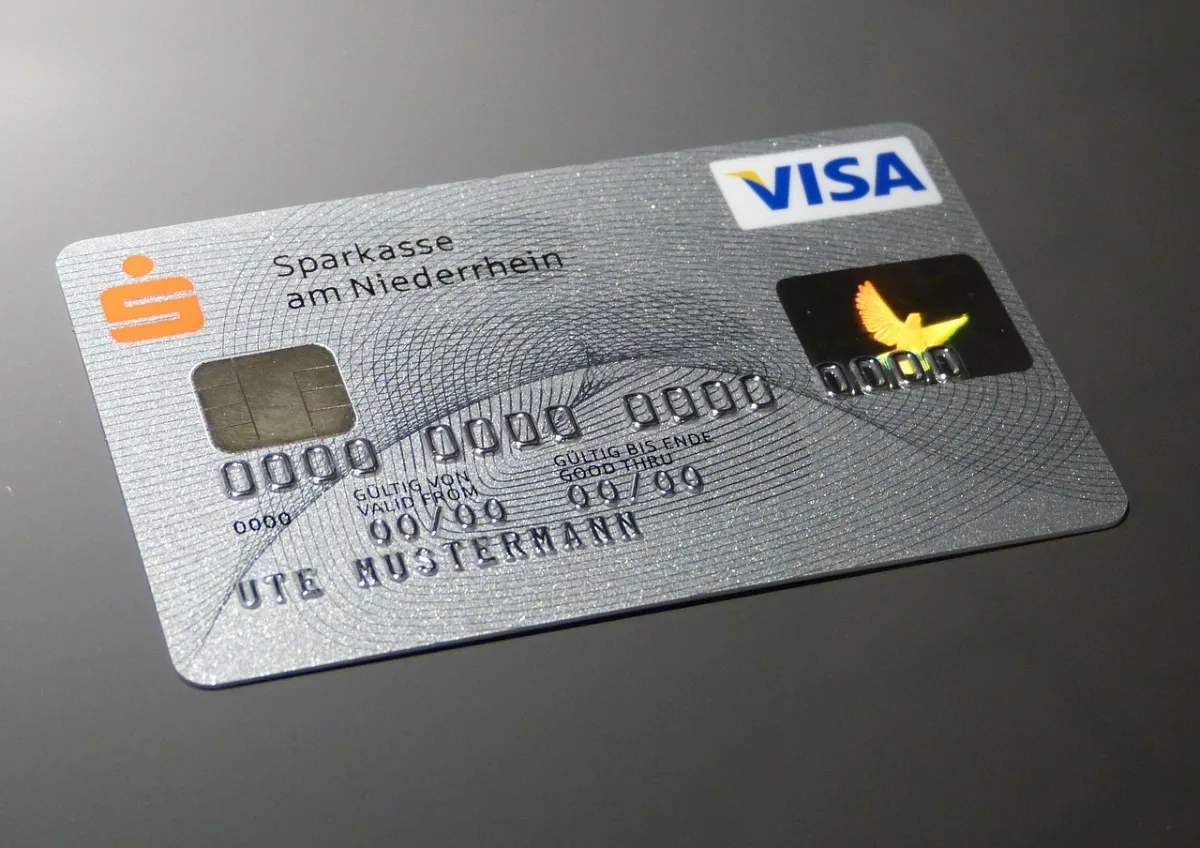
Your debit card is a vital tool for daily transactions in Germany. Most shops, restaurants, and supermarkets accept debit card payments, though it’s always wise to carry some cash, especially in smaller establishments. When paying, you might be asked for your PIN or to sign a receipt. Contactless payments are also increasingly common, making transactions even quicker. Being familiar with how to use your debit card ensures you can easily pay for goods and services while you live in Germany.
Test your German for freeA1 to C1 in 8 minutes, with your level and a study planStart test →
Managing Your Finances as an Expat
Managing your money effectively is crucial as an expat. Start by creating a budget to track your income and expenses in Germany. Take advantage of online banking to monitor your transactions and account balance regularly. Set up automatic transfers for recurring bills like rent and utilities to avoid late fees. Consider using budgeting apps or tools to gain better insights into your spending habits. By proactively managing your money, you can maintain financial stability and achieve your financial goals during your time in Germany.
Common Problems and Solutions When Opening a Bank Account
Challenges Expats Face
When expats move to Germany, one of the initial hurdles they face is opening a German bank account. Many experience difficulties due to language barriers or unfamiliarity with local banking procedures. Some banks in Germany might require specific documents that expats may not readily have, such as a residence permit or proof of Anmeldung. Additionally, understanding the different types of accounts and terms and conditions can be challenging, leading to confusion and delays in the open a bank account process. Overcoming these obstacles requires patience, preparation, and a good understanding of what is expected by the German authorities.
How to Overcome Common Issues
To overcome the common issues encountered when you open a bank account in Germany, careful preparation is key. Ensure you have all the required documents, including your passport, Anmeldung, and residence permit, if applicable. For international students, your university enrollment certificate is essential. If you’re not fluent in Deutsch, consider bringing a translator or asking a bilingual friend for assistance. Many banks in Germany offer services in English, but it’s wise to confirm beforehand. Research different types of accounts and their specific requirements, such as those needed for a blocked account, so you are well-informed before you visit a bank branch. By being proactive and well-prepared, you can significantly streamline the process.
Where to Seek Help if Needed
If you encounter difficulties while trying to open a German bank account, numerous resources are available to assist expats. Many universities offer support services to international students, providing guidance on banking and other administrative tasks. Expat forums and online communities can also be valuable sources of information and advice from others who have gone through the process. Additionally, some banks have dedicated expat services or multilingual staff who can help navigate the intricacies of opening a bank account in Germany. Don’t hesitate to seek help from these resources to ensure a smooth and successful experience.
Tips and Insider Advice for Expats
Pro Tips for a Smooth Banking Experience
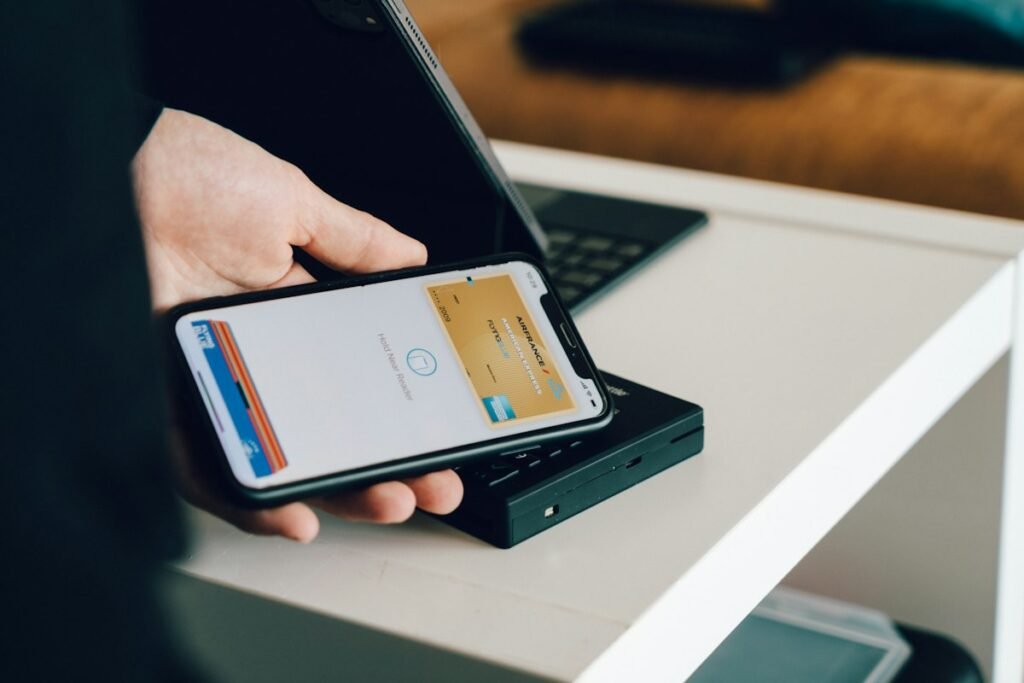
For a smooth banking experience as you move to Germany, consider opening an account online before you arrive in Germany, if possible, to avoid delays. Research which banks in Germany offer the best deals and services for expats. Be aware of the various types of accounts available, including current accounts and blocked accounts for visa requirements. When you open a bank account, ask about Apple Pay or other mobile payment options to simplify transactions. Also, ensure you have travel health insurance and other necessary documentation to streamline the verification process. These steps can help you manage your money effectively and avoid common pitfalls.
What to Avoid When Opening a Bank Account
When you open a bank account in Germany, there are several common mistakes to avoid. Don’t rush into choosing the first bank you find; compare the terms and conditions of different banks in Germany to find the best fit for your needs. Avoid opening an account without understanding the fees associated with transactions, transfers, and ATM withdrawals. Also, do not provide false information on your application, as this can lead to serious consequences. Ensure you have all the necessary documents, including your Anmeldung and residence permit, before you visit a bank branch to verify your identity. Being cautious and informed can help you manage your money effectively and avoid future complications.
Understanding Banking Fees and Charges
Understanding banking fees and charges is essential for expats to manage your money effectively in Germany. Many banks in Germany offer free German bank account options, but these often come with conditions, such as maintaining a minimum balance or using the account actively. Be aware of fees for ATM withdrawals, especially from ATMs not affiliated with your bank. Also, check the costs associated with international transfers and any charges for overdraft. Some banks may also charge monthly maintenance fees or fees for specific services. By understanding these costs, you can choose the right type of account and avoid unexpected expenses in Germany.
Online vs. Traditional Banks: Which is Best for You?
Advantages of Online Banks
Online banking has revolutionized how expats can manage their money when they move to Germany. One significant advantage is convenience. You can open a bank account from the comfort of your home, often with a streamlined application process. Online banks frequently offer lower fees and better interest rates compared to traditional brick-and-mortar institutions. They provide 24/7 access to your account, allowing you to monitor transactions, transfer funds, and pay bills at any time. Additionally, many online banks offer multilingual support, which can be particularly helpful for international students or newcomers who are not yet fluent in Deutsche.
Benefits of Traditional Banks
While online banking offers numerous advantages, traditional banks in Germany still hold significant appeal for many expats. One key benefit is the personal touch. You can visit a bank branch and speak directly with a bank representative, which can be especially helpful for complex financial matters or when you need a bank account with specialized features. Traditional banks also often have a wider range of services, such as financial advising and investment options. The presence of physical branches can also provide a sense of security and trust, particularly for those who prefer face-to-face interactions for managing your money.
Making the Right Choice Based on Your Needs
Deciding between online banks and traditional banks when you open a bank account in Germany depends largely on your individual needs and preferences. If you value convenience, lower fees, and 24/7 access, an online bank might be the best choice. If you prefer face-to-face interactions, personalized service, and a wider range of financial products, a traditional bank could be more suitable. Consider factors such as your comfort level with technology, your need for in-person assistance, and the types of services you require. Some expats might even choose to have accounts with both types of institutions to take advantage of the benefits each offers.
Alternatives to Traditional Bank Accounts
Digital Wallets and Payment Apps
As an expat navigating your new financial life, digital wallets and payment apps present useful alternatives to traditional bank account setups. Services like PayPal, Apple Pay, and Google Pay allow for swift online transactions and easy money transfers, often bypassing the complexities of conventional banking. For everyday purchases, these apps can simplify the payment process. Keep in mind, though, that while useful, these digital solutions might not fully replace a German bank account, especially for tasks like receiving salary payments or handling rent.
Prepaid Cards as a Temporary Solution
For those newly arrived or facing difficulties in opening a bank account right away, prepaid cards offer a temporary solution. These cards can be loaded with funds and used for purchases much like a debit card. While they offer convenience and prevent overspending, prepaid cards typically come with fees and limitations compared to a standard girokonto. They can serve as a practical stepping stone while you gather the necessary documents to open a bank account or while awaiting approval from banks in Germany.
When to Consider Alternative Banking Options
Consider alternative banking options when you move to Germany, particularly if you encounter challenges in opening a conventional German bank account. This might be due to lacking a permanent German address or not having all the necessary documentation initially. If you need a way to transact and manage your money immediately, explore digital wallets or prepaid cards as interim solutions. However, aim to establish a formal bank account as soon as possible for long-term financial stability and to meet various legal and practical requirements of life in Germany.
What to Do After Opening Your Bank Account
Setting Up Online Banking Access
Once you open a bank account in Germany, setting up online banking access is crucial for efficiently managing your money. Most banks in Germany provide online banking platforms that allow you to monitor your account balance, view transactions, transfer funds, and pay bills from anywhere with an internet connection. Typically, you’ll receive login credentials and instructions on how to activate your online banking account shortly after opening your German bank account. Ensure you set up strong passwords and enable two-factor authentication for added security. With online banking, you can conveniently handle your finances and stay on top of your expenses in Germany.
Understanding Your Bank Statements
Understanding your bank statements is an essential part of managing your money effectively as an expat. Your bank statements provide a detailed record of all transactions in and out of your bank account. Review your statements regularly to ensure there are no unauthorized transactions or errors. Pay attention to fees and charges, and investigate any unfamiliar items. Familiarize yourself with the format and terminology used in German bank statements, such as Soll (debit) and Haben (credit). Many banks in Germany provide statements online, making it easy to track your financial activity. By carefully reviewing your bank statements, you can maintain better control over your finances.
Setting Up Direct Debits and Standing Orders
Setting up direct debits (Lastschriften) and standing orders (Daueraufträge) is a practical way to manage your money and ensure timely payment of recurring bills when you live in Germany. Direct debits allow companies to automatically withdraw funds from your bank account for regular payments, such as rent, utilities, and insurance premiums. Standing orders, on the other hand, enable you to automatically transfer a fixed amount to another bank account on a regular basis. Setting up these automatic payments can help you avoid late fees and simplify your financial administration. Most banks in Germany allow you to set up and manage direct debits and standing orders through their online banking platforms.
Common Scams and How to Protect Yourself
Phishing and Online Fraud
When you open a bank account in Germany and engage in online banking, it’s crucial to be aware of phishing and online fraud. Phishing involves scammers attempting to trick you into revealing your personal or financial information through deceptive emails, messages, or websites. Always be cautious of unsolicited communications asking for your bank account number, password, or other sensitive data. Banks in Germany will never ask for this information via email or phone. Protect yourself by using strong, unique passwords, enabling two-factor authentication, and verifying the legitimacy of any requests before providing information.
ATM Skimming and Card Fraud
ATM skimming and card fraud are potential risks for expats using debit cards in Germany. Skimming involves criminals installing devices on ATMs to steal card information and PINs. To protect yourself, inspect ATMs for any signs of tampering before using them. Cover the keypad when entering your PIN, and be wary of anyone offering assistance. Regularly check your bank account statements for unauthorized transactions. If you suspect your card has been compromised, immediately contact your bank to report the issue and cancel your card.
Staying Safe and Secure with Your Bank Account
To stay safe and secure with your bank account, take proactive steps to protect your financial information. Never share your PIN or password with anyone, and be cautious when using public Wi-Fi networks for online banking transactions. Keep your antivirus software up to date, and be wary of suspicious emails or websites. Regularly monitor your bank account statements for any unauthorized activity. If you receive a suspicious call or email, contact your bank directly to verify its legitimacy. By being vigilant and taking precautions, you can minimize the risk of fraud and protect your financial well-being.

Key Takeaways
- Opening a German bank account is essential for expats to live in Germany and manage your money effectively.
- Understand the different types of account, such as current account and blocked account, to choose the best option for your needs.
- Gather all necessary documents, including your passport, Anmeldung, and residence permit, before you open an account.
- Consider the pros and cons of online banks versus traditional banks based on your preferences and needs.
- Take steps to protect your financial information and be aware of common scams and fraud.
Related guides and free tools
- Fintiba vs Expatrio blocked account
- Arrival checklist for Germany
- Best SIM cards for students
- German email templates for offices and landlords
FAQ Section
- Can I open a bank account in Germany before I arrive?
Yes, some banks in Germany allow you to open a bank account online before you arrive in Germany. This can be particularly useful for setting up a blocked account for visa purposes. - What documents do I need to open a bank account as an international student?
Typically, you’ll need your passport, Anmeldung (registration), university enrollment certificate, and potentially your German visa. - Is it possible to open a bank account in Germany without a residence permit?
While a residence permit is often required, some banks may allow you to open a basic bank account with alternative documentation. - Are there any free bank accounts available in Germany?
Yes, many banks in Germany offer free German bank account options, but these often come with conditions, such as maintaining a minimum balance. - How can I transfer money to my German bank account from abroad?
You can use international transfer services like Wise or directly transfer funds from your bank in your home country. Be aware of potential fees and exchange rates. - What is a blocked account, and why do international students need one?
A blocked account is a special type of account that international students need. It requires a specific amount of money to be deposited as proof of financial stability for your study in Germany. German authorities need this as proof to grant a German visa. - What should I do if I lose my debit card in Germany?
Immediately contact your bank to report the loss and cancel your card to prevent unauthorized use. Most banks in Germany will issue a replacement card.
Conclusion
Opening a bank account in Germany is a fundamental step for any expat looking to settle in and manage their money effectively. By understanding the different types of account, gathering the necessary documents, and being aware of potential challenges and solutions, you can navigate the process with confidence. Whether you opt for a traditional bank or an online institution, remember to prioritize security and stay informed about banking fees and regulations. Take the time to explore your options, ask questions, and choose the account that best suits your individual needs. With a German bank account in place, you’ll be well-equipped to handle your finances and enjoy your time in Germany to the fullest.
Key Takeaways and Next Steps
Summary of Important Points
Opening a German bank account is a pivotal step for expats planning to move to Germany, providing a foundation for managing your money efficiently. Choosing the right type of account, be it a current account or a blocked account if you are an international student, depends on your individual needs and circumstances. Opening an account online or at a traditional bank in Germany both offer distinct advantages. It’s crucial to understand the terms and conditions, including any fees or charges associated with transactions and transfers.
Realistic Next Steps for Expats
After understanding the essentials, the next step for expats is to gather the necessary documents, such as your passport, Anmeldung, and residence permit, if applicable. Research different banks in Germany to find one that suits your needs, considering factors like fees, accessibility, and customer service in English. Decide whether you prefer the convenience of online banking or the personal touch of a traditional bank branch. Once you open a bank account, set up online banking, understand your statement, and establish direct debits for recurring bills. Knowing how to verify your identity is vital.
Encouragement for a Successful Banking Journey
Embarking on your banking journey in Germany can feel daunting, but with the right knowledge and preparation, you can confidently manage your money and establish a secure financial foundation. Remember to compare options, ask questions, and seek assistance when needed. Be proactive in protecting your financial information and staying informed about banking regulations and potential scams. With a German bank account in place, you’ll be well-equipped to handle your finances and enjoy all that life in Germany has to offer. For international students, having a blocked account fulfills a need. This is because German authorities need proof of the blocked account to grant a German visa.
FAQs About Opening a Bank Account in Germany
What documents do I need to open a bank account?
To open a bank account in Germany, you typically need several documents. Here’s a summary of common requirements:
| Document Type | Purpose |
|---|---|
| Passport or National ID | Verify your identity |
| Anmeldung (proof of address registration) | Proof of address |
If applicable, you might also need your residence permit or German visa. International students should provide their university enrollment certificate. Depending on the banks in Germany, they may ask for additional documents to open an account, and for those working in Germany, job-related paperwork might be necessary, so it’s always best to check with the specific institution beforehand.
Can I open a bank account without a German address?
Opening a bank account in Germany without a registered German address can be challenging, but it’s not always impossible. Some online banks or specialized institutions may offer accounts to individuals without a residence permit or permanent address, but these usually come with limitations or higher fees. In such cases, providing a temporary address or a letter from your employer might be accepted. However, having an Anmeldung significantly simplifies the process of opening a bank account with most traditional banks in Germany.
What’s the difference between a current account and a blocked account?
When you move to Germany, it’s crucial to understand the difference between a current account and a blocked account. A current account, or Girokonto, is used for everyday transactions, such as receiving salary payments, paying bills, and making purchases with your debit card. A blocked account, or Sperrkonto, is specifically designed for international students needing to prove they have sufficient funds to cover their living expenses during their study in Germany. The German authorities want this type of account to make sure that you can manage your money.
Are there any fees associated with German bank accounts?
Yes, there can be fees associated with German bank accounts, although many banks in Germany offer free German bank account options under certain conditions. Fees can include monthly maintenance charges, transaction fees for ATM withdrawals, fees for transfers, especially international ones, and charges for overdraft. It’s important to carefully review the terms and conditions of your bank account to understand all potential fees and charges. Some banks in Germany also offer premium accounts with additional features and benefits, which come with higher fees.
How long does it take to open a bank account in Germany?
The time it takes to open a bank account in Germany can vary depending on the banks in Germany and whether you open an account online or in person. Opening a bank account online might be faster, often taking a few days after submitting your application and verifying your identity. For traditional banks, you may need to schedule an appointment, and the entire process could take from several days to a couple of weeks. Make sure that if you need a bank account with a German visa, it would be a blocked account. Having all your documents ready and completing the application accurately can help expedite the process.
Official sources: DAAD · Study in Germany
Was this guide helpful?
Thank you! Your feedback helps us keep this guide accurate.