Last updated: By Kumar Ashish, German Campus
Deciding where to study in Germany can be a monumental task, especially when comparing two powerhouses like Berlin and Munich. This article is your ultimate student guide, exploring each city’s nuances to help international students make an informed choice for their academic journey and student life.
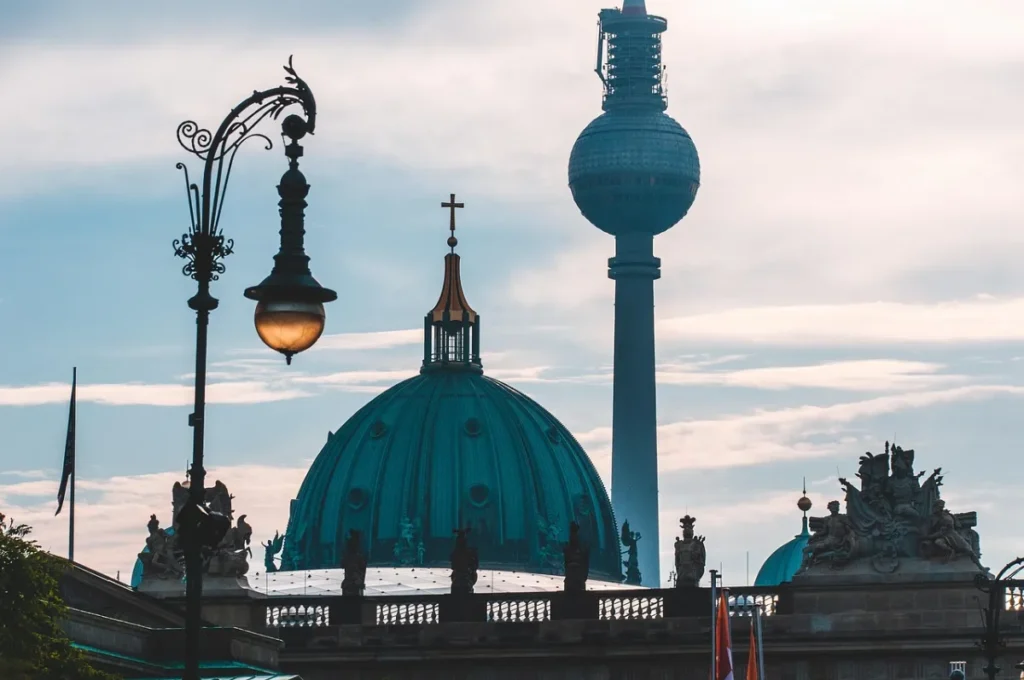
Overview of Berlin and Munich
When choosing where to pursue higher education, international students often weigh a vibrant cultural landscape against academic opportunities and overall quality of life. Both Berlin and Munich stand out as major German cities, each offering unique experiences that suit different preferences, making the Berlin vs. Munich debate a key consideration for prospective students.
Introduction to Berlin
Berlin, the bustling capital, is renowned for its rich history, diverse culture, and a palpable sense of innovation. As a top student city, it offers an incredible international community, with students from around the world coming to study in Germany. Berlin’s cost of living is generally lower than Munich’s, making it an attractive option for those on a tighter budget. Its multicultural atmosphere and dynamic social life create an unparalleled student experience.
Introduction to Munich
Munich, Bavaria’s capital, offers a stark contrast with its traditional charm and stunning proximity to the Alps. Often considered one of Germany’s more affluent cities, Munich is known for its high quality of life, strong economy, and the famous Oktoberfest. While living expenses are higher than in Berlin, the city boasts excellent universities, such as Technische Universität, and a sophisticated public transport system, appealing to those who prefer a more refined urban experience.
Comparing Berlin and Munich
Comparing Berlin and Munich goes beyond rent and living costs; it includes lifestyle, career prospects, and the overall student experience. While Berlin offers expansive nightlife and a more experimental cultural scene, Munich appeals for its safety, cleanliness, and unique Bavarian culture. For an international student, the choice between Berlin and Munich often boils down to whether they prioritize a vibrant, diverse, and cheaper-than-Munich environment or a more traditional, affluent city with arguably higher salary potential.
Cost of Living in Berlin vs. Munich
When an international student considers where to study in Germany, the cost of living in Berlin vs. Munich often plays a pivotal role in their decision-making process. These two major cities present very different financial landscapes, and understanding these differences is crucial for budgeting and a comfortable student life. While Berlin is generally more affordable, Munich, with its higher cost of living, offers different advantages, making the Berlin vs Munich comparison essential for any prospective student.
Housing Expenses
Housing expenses are one of the biggest factors in the cost of living, especially for an international student. In Berlin, rent for student accommodation is considerably cheaper than in Munich, especially outside of the central Mitte district. While finding affordable housing in Berlin still takes effort, options are more plentiful and varied, making student life financially more manageable. Conversely, housing in Munich is notoriously expensive; rent is among the highest in Germany, and securing affordable accommodation can be a major challenge, often requiring a larger budget than in Berlin.
Daily Living Costs
Beyond rent, daily living costs also contribute significantly to an international student’s overall expenses. In Berlin, everyday necessities such as groceries, dining out, and entertainment are generally more affordable, allowing students to enjoy the city’s vibrant social life and extensive nightlife without breaking the bank. This makes Berlin a more attractive option for those who prioritize lower daily spending. In contrast, Munich, one of Germany’s more expensive cities, has higher prices across the board for groceries and leisure activities. While the quality of life is high, students may experience their budgets stretched further in Munich than in Berlin.
Test your German for freeA1 to C1 in 8 minutes, with your level and a study planStart test →
Transportation Costs
Transportation is another key cost-of-living factor that differs between Berlin and Munich. Both cities boast excellent public transport systems, but the pricing structures and overall accessibility can vary. Berlin’s extensive network of U-Bahn, S-Bahn, trams, and buses is relatively affordable, particularly with student discounts, making it easy to navigate the sprawling city. This accessibility makes Berlin a more budget-friendly option for getting around. Munich’s public transport system is highly efficient and clean but tends to be pricier. However, Munich’s compact size reduces the need for extensive travel, especially if you choose accommodation strategically, though overall transportation expenses remain higher than in Berlin.
Student Life in Berlin and Munich
Academic Environment
Both Berlin and Munich offer exceptional academic environments, with German universities boasting high standards and diverse programs for international students. Berlin is home to prestigious institutions like Freie Universität and Technische Universität, known for their research focus and vibrant student communities, making student life dynamic and engaging. Munich, on the other hand, also has a strong academic landscape, with Technische Universität and Ludwig Maximilian University, both renowned for their excellence and contributing to Munich’s reputation as a top study destination. The choice between Berlin or Munich often depends on specific academic interests and the desired university culture.
International Community in Berlin
Berlin particularly excels at fostering a thriving international community, making it an attractive city for international students. Its multicultural atmosphere is palpable, with students from around the world contributing to a diverse, inclusive environment. Numerous student organizations and initiatives support this international community, making it easier for new arrivals to settle in, build networks, and enrich their student life in Berlin. The city’s openness and progressive outlook further enhance its appeal, offering a welcoming space for people from diverse backgrounds.
Social Life and Activities
Social life and activities for international students in Berlin and Munich offer distinct flavors. Berlin offers a more avant-garde, experimental social scene, with countless cultural events, art galleries, and renowned nightlife that caters to diverse tastes. Student life in Berlin is spontaneous and offers a wide range of entertainment and leisure options. Munich, while more traditional, offers a high-quality social life, including beer gardens, traditional Bavarian festivals (like Oktoberfest), and proximity to the Alps for outdoor activities, making it equally appealing, albeit in a different style than Berlin.
Nightlife: Berlin or Munich
Berlin Nightlife Scene
Berlin’s nightlife scene is legendary, drawing partygoers from around the world and making it a major draw for international students. Known for its extensive club culture, underground parties, and late-night venues, Berlin offers an unparalleled nightlife experience that is often cheaper than Munich alternatives. From techno temples to eclectic bars, the options are limitless, reflecting the city’s liberal and diverse spirit. This vibrant scene strongly shapes student life in Berlin, creating plenty of opportunities for social interaction and late-night entertainment.
Munich Nightlife Comparison
By comparison, Munich’s nightlife offers a more refined, traditional experience, though it remains bustling and enjoyable. While Berlin boasts an edgier, more experimental scene, Munich leans toward sophisticated bars, traditional pubs, and smaller, more intimate clubs. Munich’s nightlife often revolves around its famous beer gardens and cultural events, offering a different kind of charm. For an international student, the choice between Berlin and Munich for nightlife depends on whether they prefer Berlin’s high-energy, diverse options or Munich’s more classic, perhaps more structured, entertainment.
Best Places to Experience Nightlife
When it comes to nightlife, both Berlin and Munich offer unique highlights. In Berlin, areas like Kreuzberg, Neukölln, and Friedrichshain are famous for their clubs and bars, offering a taste of the city’s dynamic party culture. For international students seeking vibrant scenes, these districts are essential. In Munich, the Glockenbachviertel and Maxvorstadt districts are popular for their stylish bars and lounges, providing a more upscale experience. During Oktoberfest, Munich’s nightlife peaks, offering a unique Bavarian celebration unmatched in Berlin.
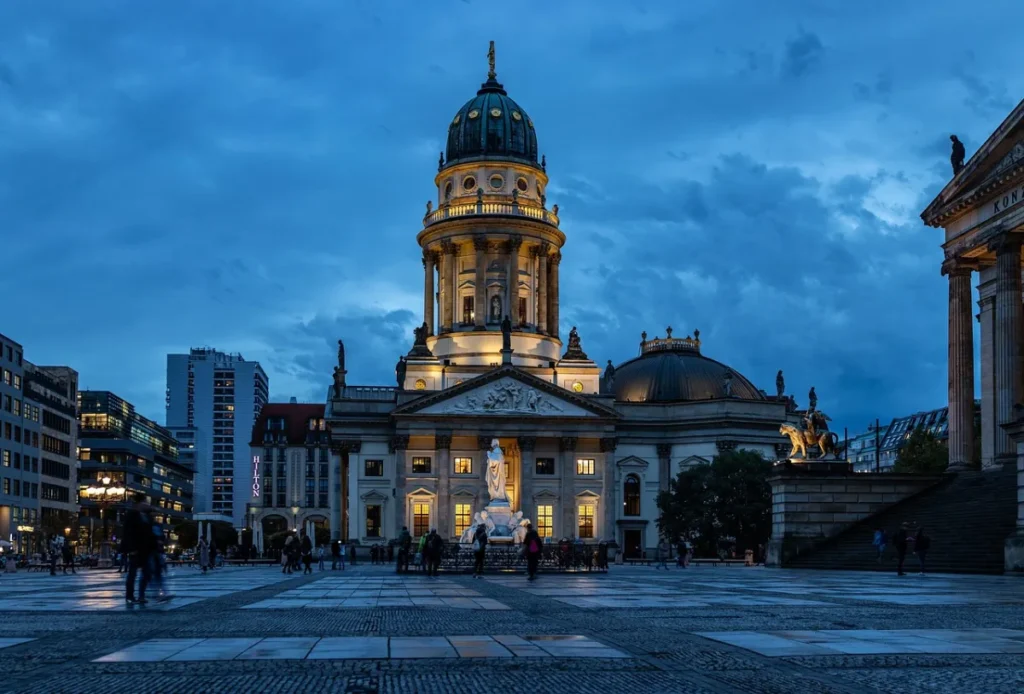
Living in Berlin vs Munich: Pros and Cons
Advantages of Living in Berlin
An international student often finds that Berlin offers numerous, compelling advantages, making it a highly attractive city in Germany. Berlin offers a vibrant student life, with a multicultural atmosphere and a strong international community that makes it easier to settle in. The cost of living in Berlin is significantly lower than in Munich, especially for rent, allowing students to manage their finances more easily. Furthermore, Berlin’s diverse social life, extensive nightlife, and rich cultural scene offer endless opportunities for exploration and engagement, creating a unique student experience.
Advantages of Living in Munich
Conversely, Munich also presents a unique set of advantages that draw international students. While the cost of living in Munich is higher, it is widely recognized for its exceptional quality of life and safety, aspects that many prioritize. Munich’s proximity to the Alps offers unparalleled opportunities for outdoor activities, from skiing to hiking, enhancing social life beyond academics. The city also boasts a robust economy, which can lead to better post-graduation career prospects, particularly in specific industries. For those seeking a more traditional yet sophisticated urban experience with a high standard of living, Munich is a better fit.
Which City is Better for Students?
The decision of which city is better for students ultimately depends on individual priorities for their student life. If an international student prioritizes affordability, a diverse and alternative cultural scene, and a lively, ever-evolving social environment, then Berlin might be the ideal choice. Berlin’s multicultural vibe and large international community often make the transition smoother. However, if a student values a higher quality of life, exceptional safety, beautiful natural surroundings, and potentially stronger career prospects in specific industries, then Munich presents a compelling case. Both cities offer excellent universities, so the choice often comes down to lifestyle preferences.
Conclusion: Choosing Your City in Germany
Final Thoughts on Berlin and Munich
When choosing between Berlin and Munich for study in Germany, an international student faces a choice between two distinct experiences. Berlin offers a dynamic, multicultural, and budget-friendly student life with an unparalleled nightlife and a strong international community. Its vibrant cultural scene and affordability, including being cheaper than Munich, are major draws. On the other hand, Munich offers a high quality of life, traditional Bavarian charm, close proximity to the Alps, and a strong economy with potentially higher salary prospects, though at a higher cost of living. Both cities excel in academic offerings, home to top German universities like Technische Universität and Freie Universität.
Recommendations for International Students
For international students, the choice between Berlin and Munich largely depends on personal preferences and financial considerations. If you want to immerse yourself in a diverse, avant-garde cultural scene, enjoy an extensive and affordable social life, and manage living costs more easily, choose Berlin. However, if you seek a more traditional, safer environment with a high standard of living, strong economic opportunities, and access to breathtaking natural landscapes like the Alps, then choose Munich. Both German cities offer excellent public transport and a welcoming atmosphere, but their core characteristics differ significantly.
Next Steps in Your Decision-Making Process
To decide between Berlin and Munich, an international student should take several next steps. First, thoroughly research specific university programs and their locations in each city to ensure they align with your academic goals. Second, connect with current students or alumni from both cities to get firsthand insights into student life, the cost of living, and the international community. Finally, if possible, visit both Berlin and Munich to experience their distinct atmospheres personally. This direct exposure to each city’s nightlife, cultural offerings, and overall vibe will be invaluable in helping you choose your ideal study destination in Germany.
Official sources: DAAD · Study in Germany
Was this guide helpful?
Thank you! Your feedback helps us keep this guide accurate.