
Last updated: By Kumar Ashish, German Campus
Germany offers an excellent public transport network, making it easy for international students to navigate cities and explore the country. Understanding the ins and outs of the public transport system is crucial for a smooth and cost-effective experience while you study in Germany. From buses and trains to trams and U-Bahns, knowing how each mode of transport works will significantly enhance your daily life.
Short on time? Watch the 1-minute web story: Deutschlandticket 2027 Explained.
Understanding the Public Transportation System in Germany
Germany boasts a comprehensive public transportation system, ensuring efficient connectivity across cities and regions. Public transport in Germany is renowned for its punctuality, reliability, and extensive coverage, making it a popular choice for residents and visitors alike. Navigating this system effectively requires understanding its structure and the various types of transportation available.
Overview of Public Transport in Germany
The public transport in Germany is a well-organized network comprising various modes, including buses, trams, U-Bahns (subways), and S-Bahns (suburban trains). These are interconnected to provide seamless travel options. German public transport is typically managed by local transport associations, which coordinate the services and ticketing within a specific region.
Importance of Public Transportation for International Students
For international students, familiarizing themselves with the public transportation system is essential for several reasons. Public transportation in Germany provides an affordable way to commute to university, explore German cities, and travel between cities. It reduces reliance on expensive taxis or personal vehicles, making it a cost-effective solution. Understanding the system enhances independence and allows students to fully experience German culture.
Types of Public Transportation Available
Germany boasts a well-developed public transportation system. Many options are available depending on the specific journey. Larger cities offer several rapid transit solutions, including:
- Underground U-Bahn trains
- Suburban S-Bahn trains, like those found in Hamburg
Getting Around: Buses and Trains
Buses and trains form the backbone of Germany’s public transportation system, providing essential links both within and between cities. Mastering these modes of transport is key to efficient and affordable travel. Knowing the routes, schedules, and ticketing options will allow you to navigate with confidence.
Exploring the Bus System
The bus system in Germany is extensive, especially in areas not directly served by trains or trams. Buses operate on fixed routes with designated bus stations and bus stops, clearly marked with schedules. Most bus lines also operate night bus services to cater for those travelling late at night. To ride a bus, you need to buy a ticket from a ticket machine, online, or directly from the bus driver, depending on the region. A valid ticket is required for all journeys.
Understanding the Train Network
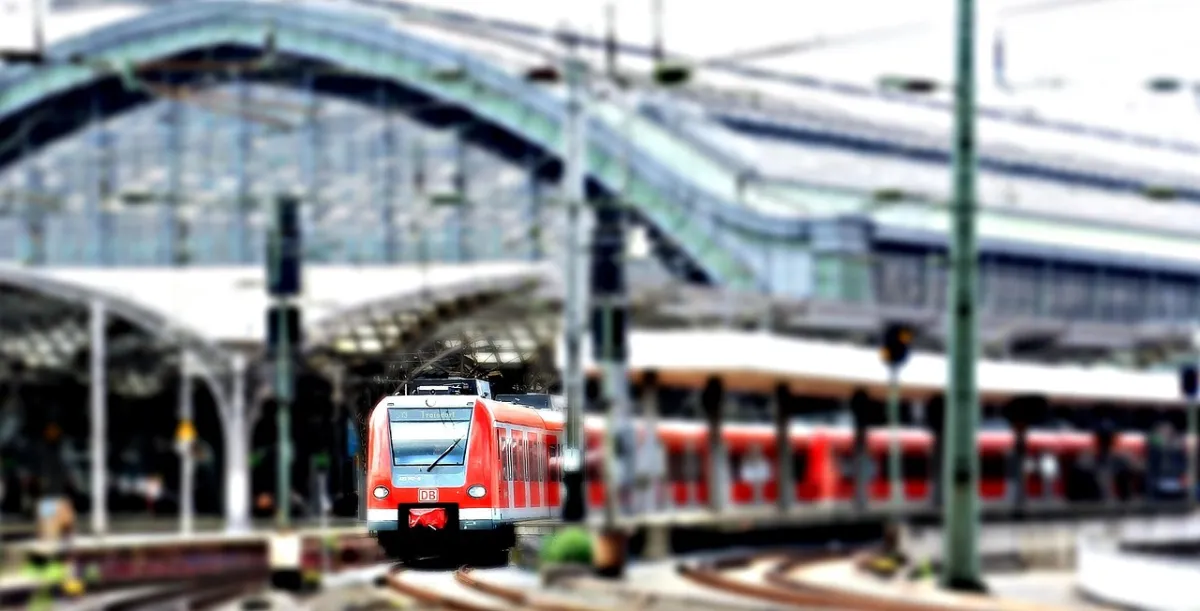
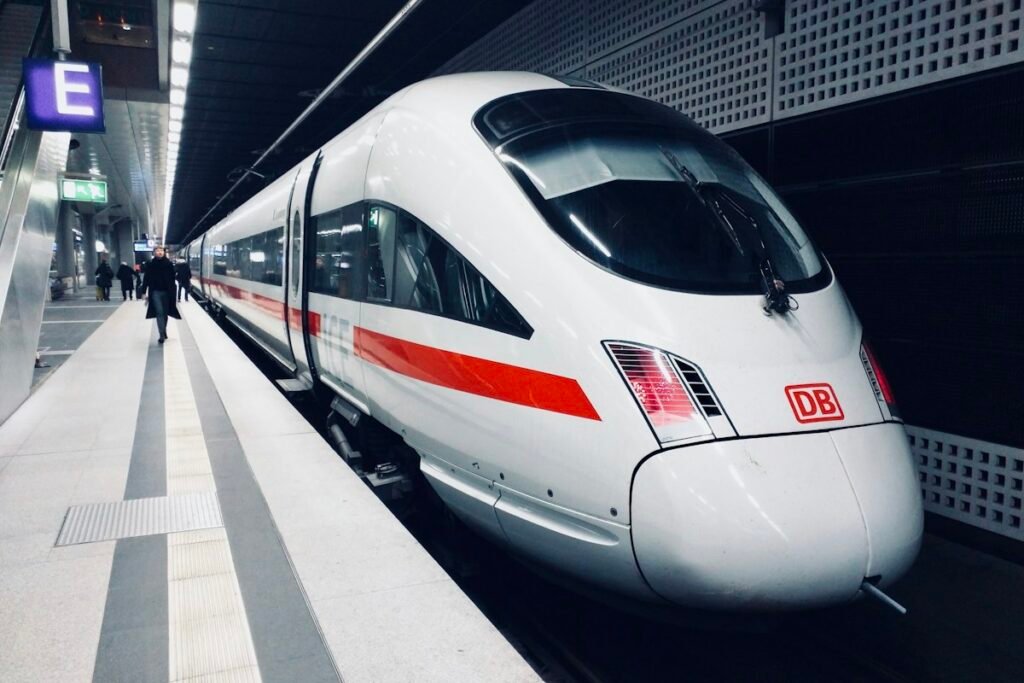
Germany’s train network is operated primarily by Deutsche Bahn and connects major cities and rural areas. The network includes high-speed ICE trains for long-distance travel and regional trains for shorter routes. Train stations are equipped with information displays, ticket counters, and ticket machines, making it easy to plan and buy a ticket for your journey. Understanding train schedules and platform information is crucial for timely travel.
Combining Bus and Train Travel
Often, the most efficient way to travel involves combining bus and train travel. This requires understanding how to coordinate schedules and purchase integrated tickets that cover both modes of transportation. Many transport companies offer combined tickets for bus and tram travel, allowing seamless transfers between different lines. Planning your journey using online route planners can help identify the best options for combining these modes of transport.
Using Trams and Other Modes of Transport
While buses and trains are the mainstays of German public transportation, trams and alternative transport options offer additional flexibility and convenience. Understanding how to use these modes can enhance your ability to explore German cities and manage your daily commute effectively.
Tram Services in Major Cities
Tram services are prevalent in many major German cities, providing a convenient and eco-friendly transportation option within urban areas. Trams typically operate on fixed routes along city streets, with frequent stops. Like buses, trams require a valid ticket, which can be purchased from ticket machines, online, or sometimes directly on board. Tram lines often integrate with bus and U-Bahn networks, providing seamless transfers.
Bicycles and Ride-Sharing Options
In addition to traditional public transportation, bicycles and ride-sharing options are popular in many German cities. Many cities offer bike-sharing programs, allowing you to rent bicycles for short trips. Ride-sharing services provide an alternative to taxis, offering convenient door-to-door transportation. Combining these options with public transport can provide flexible and cost-effective travel solutions.
Test your German for freeA1 to C1 in 8 minutes, with your level and a study planStart test →
Walking and Its Benefits in Urban Areas
Walking is a fantastic way to explore German cities, especially in pedestrian-friendly areas. Many city centers are designed to be easily navigable on foot, allowing you to discover hidden gems and enjoy the local atmosphere. Walking is not only a cost-free mode of transport but also promotes physical activity and provides a unique perspective on the city. Moreover, combining walking with public transport can efficiently cover longer distances.
Buying Tickets and Understanding Travel Zones
How to Buy a Ticket: Options and Tips
To use public transport in Germany, you must buy a ticket. Options include ticket machines at train stations or bus stations, online, or via mobile apps. Always validate your single ticket or day ticket before boarding to avoid fines. Understanding different types of tickets is crucial for cost-effective travel on public transport in Germany.
Understanding Travel Zones and Pricing
German cities are divided into zones, impacting ticket pricing. Knowing the zone you’re travelling within affects the price of a valid ticket. For instance, a short trip within one zone costs less than crossing multiple zones. Check the zone maps on public transportation system websites or at train stations to ensure you buy the correct ticket for the bus and tram.
Mobile Apps for Easy Ticket Purchase
Mobile apps simplify buying tickets for public transportation in Germany. These apps let you buy a ticket anytime, anywhere, and often offer discounts. Many apps also provide real-time schedules and route planning for the bus system, train network, and tram services. Some apps save your preferred routes for even faster access.
Public Transport Tickets and Regulations
Types of Public Transport Tickets Available
German public transport offers various types of tickets to suit different needs. These include:
- Single tickets, valid for one journey.
- Day tickets, allowing unlimited travel within a specified period.
Weekly and monthly passes provide cost-effective options for frequent commuters. Knowing the types of tickets ensures you choose the most economical option for using German public transport.
Understanding Ticket Validity and Regulations
Ticket validity is crucial when using public transportation in Germany. A single ticket is valid for a limited time and specific zones, while day tickets are valid for a whole day within designated areas. Always validate your ticket before boarding to avoid fines. Understanding these regulations ensures a smooth travel experience on the bus and tram.
Common Mistakes to Avoid When Using Tickets
One common mistake is not validating your ticket before boarding public transport in Germany. Another is buying a ticket for the wrong zone or using an expired ticket. Traveling without a valid ticket can result in hefty fines. Ensure your ticket is valid to avoid unnecessary penalties on the bus system.
Practical Tips for Navigating Public Transport
Insider Advice for Newcomers
When using public transport in Germany, plan your route in advance using online apps. Purchase a day ticket if you plan to make multiple trips. Familiarize yourself with local transport association websites for detailed information about the types of public transportation and schedules. Knowing peak hours can help you avoid crowded commutes on the bus and tram.
Essential Apps for Your Travel Needs
Here are some essential apps for getting around with German public transport. These apps provide different functionalities:
- The Deutsche Bahn app provides train schedules and ticketing options.
- Local transport apps offer information on bus systems, tram services, and U-Bahn routes.
- Citymapper is another excellent app for route planning and real-time updates.
These apps make using public transportation in Germany easier to manage.
Real-Life Scenarios: What to Expect
Imagine you’re a student who want to study in Germany and need to take the bus system from your apartment to the university. You use a mobile app to buy a ticket and check the schedule. At the bus stop, you validate your ticket and board the bus. Public transportation in Germany is often reliable, but delays can occur due to traffic or construction. If you are late, you can take the next night bus.
Key Takeaways and Next Steps
Summary of Main Lessons on Public Transport
German public transport offers an efficient way to travel, with buses, trams, and trains connecting cities and regions. Understand the different types of public transportation tickets and zones to avoid fines. Utilize mobile apps for easy planning and ticket purchase. With a little preparation, you can navigate the bus system with confidence, as well as German public transport.
Actionable Steps for First-Time Users
Download a reliable public transport app like Deutsche Bahn or Citymapper. Study the zone map for your city and understand the bus and tram lines you’ll be using. Purchase a day ticket for unlimited travel if you plan multiple trips. Validate your ticket before boarding. These steps will make your first experience using public transportation in Germany smoother.
Encouragement for Your Transportation Journey
Navigating a new transportation system can be daunting, but with a little effort, you’ll become proficient in using German public transport. Embrace the opportunity to explore German cities, connect with new people, and enjoy the convenience of an extensive transport network. Remember, every journey is a learning experience, so be patient with yourself and enjoy the ride on German public transport.
The Deutschlandticket: one ticket for all local transport
The Deutschlandticket is a monthly subscription that covers all local and regional public transport in Germany: buses, trams, U-Bahn, S-Bahn and regional trains (RE, RB) in every city and state. It does not cover long-distance trains such as ICE, IC and EC.
- Price: €63 per month in 2026, rising to €66.80 per month from 1 January 2027.
- How it works: it is a monthly subscription that renews automatically. You can cancel it each month, usually until the 10th for the end of that month.
- Where to buy: from Deutsche Bahn (DB Navigator app), your local transport company, or other providers. It is usually a digital ticket on your phone.
- Students: check your semester ticket first. At many universities the semester ticket already is a Deutschlandticket, or you can upgrade it for a small extra payment.
- Job ticket: many employers pay part of the Deutschlandticket as a job ticket, so ask your employer.
If you travel by bus or train more than a few times a week, the Deutschlandticket is almost always cheaper than single tickets.
Related guides and free tools
- Arrival checklist for Germany
- Cost of living in Germany for students 2027
- Move to Germany: relocation checklist
Frequently Asked Questions
What are the most common public transport options?
The most common types of public transportation in Germany include buses, trams, U-Bahns (subways), and S-Bahns (suburban trains). These modes of transport work together to provide comprehensive coverage within and between cities. Many transport companies often offer combined tickets for bus and tram travel, allowing seamless transfers between different lines.
How do I find the right ticket for my journey?
To find the right public transport tickets, use mobile apps or websites to plan your route. These tools will indicate which zones you’ll be traveling through and recommend the appropriate ticket types. You can also ask staff at train stations or bus stations for assistance in choosing a valid ticket and buying a ticket.
Are there discounts available for students?
Yes, many cities offer discounted public transport tickets for students. Check with your university or the local transport association for information on student passes. These passes typically require proof of enrollment and can significantly reduce your transportation costs to study in Germany. These are the types of public transportation tickets.
What should I do if I lose my ticket?
If you lose your single ticket, unfortunately, it cannot be replaced, and you will need to buy a ticket. However, if you have a monthly or annual pass, contact the transport company immediately. They may be able to issue a replacement, often for a small fee on the bus system and Deutsche Bahn.
How reliable is the public transportation system in Germany?
Generally, public transportation in Germany is very reliable, but delays can occur. Check real-time updates on mobile apps or information displays at bus stops and train stations. Planning extra time for your journey can help mitigate any potential disruptions on your type of public transport.
Can I use the same ticket for both bus and train?
Whether you can use the same ticket for both bus and train depends on the local transport association and the ticket type. Often, day tickets and monthly passes are valid on all modes of transport within the specified zones of the public transportation system. Check the ticket conditions to be sure before travel using the bus and tram.
What are the best apps for navigating public transport?
Some of the best apps for navigating public transport in Germany include Deutsche Bahn, Citymapper, and local transport association apps. These apps provide real-time schedules, route planning, ticket purchase options, and service alerts. They are essential tools for efficient travel in German cities on the bus system.
Official sources: DAAD · Study in Germany
Was this guide helpful?
Thank you! Your feedback helps us keep this guide accurate.